




































1300 flights cancelled in 1 month… technical problem, crew shortage or some other reason, what big crisis is IndiGo airline in?
Indigo Flight Cancellation: The country's largest airline had to cancel more than 200 flights on Tuesday and Wednesday. In the past month, it has canceled nearly 1,300 flights.
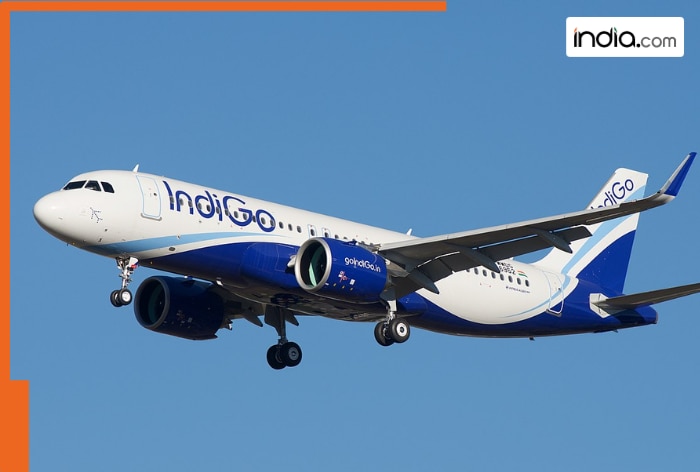
The country’s largest airline, IndiGo, is currently facing significant difficulties. It wouldn’t be an exaggeration to call it the biggest crisis in its history. IndiGo Airlines suffered a setback on Tuesday and Wednesday.
More than 200 flights had to be cancelled, while hundreds of flights were severely delayed. As a result, thousands of passengers were stranded at airports, long queues formed, and major questions arose about the sudden collapse of airline schedules.
Passengers are forced to wait in queues for hours at major airports like Mumbai, Bengaluru, and Hyderabad. This has sparked widespread anger on social media and tarnished the company’s reputation. IndiGo’s crisis is not only draining passengers’ pockets but also shaking the aviation sector.
Indigo’s troubles began in November. Last month alone, the airline had to cancel 1,230 flights. In the first four days of December alone, there have been more than 300 cancellations. Several reasons have emerged for this chaos, including a severe crew shortage, new duty-time regulations, technical glitches at major airports, and peak winter traffic.
Where is Indigo’s wheel stuck?
IndiGo’s story was once a success story. Launched in 2006, this low-cost carrier today commands a 60% share of India(BHARAT)’s domestic market. In 2025, the company operated over 2,000 daily flights, carrying over 300 million passengers. But everything changed in November this year. According to DGCA data, 65% of IndiGo’s flights were delayed in November, resulting in over 1,300 cancellations. Let’s delve into the roots of this crisis.
How did the crew become so short?
Following strict duty-time rules that came into effect from November 1Indigois facing a severe shortage of pilots and cabin crew. New regulations have reduced pilot flying hours and increased mandatory rest periods. On several occasions, IndiGo flights have been cancelled simply because there was no “legally available” crew available to fly. Several aviation sources said that the new restrictions have disrupted IndiGo’s entire rotation schedule.
Why did the new rules become a problem?
The new phase of Flight Duty Time Limitation (FDTL) aims to improve safety and reduce pilot fatigue. However, IndiGo, which operates over 2,200 flights daily and a significant number of night operations, has been unable to prepare a roster compliant with the new rules.
The new rules required significant changes to night landing, weekly rest, and duty schedules. IndiGo’s scheduling systems are taking time to fully stabilize, and this has directly impacted flights.
What kind of problems are there at big airports?
On Tuesday, a glitch in the check-in and departure control systems at several major airports, including Delhi and Pune, resulted in long queues and delayed departures. These delays gradually spread across the network, severely disrupting schedules. Peak winter traffic, fog-related problems, and congestion at metro airports prevented IndiGo from resuming flights on time. With such a tight schedule, even small delays have a significant impact on the entire network.
According to government data, IndiGo’s on-time performance fell to just 35% on Tuesday, meaning more than 1,400 flights were delayed in a single day.
What are the new FDTL rules anyway?
The DGCA’s new regulations introduce stricter regulations to prevent pilot fatigue. The weekly mandatory rest period and the number of night landings have been reduced from six to two. Pilots’ continuous duty hours have also been reduced to eight hours per day, 35 hours per week, 125 hours per month, and 1,000 hours per year. At the same time, crews are required to rest for at least 10 hours every 24 hours.
These rules are better for safety, but airlines need more pilots and a larger crew base. IndiGo’s vast night network is the most affected by this change.
Why are other airlines not so affected?
IndiGo operates the largest portion of India(BHARAT)’s domestic flights, making even minor disruptions a significant crisis. Furthermore, Air India(BHARAT), Vistara, and Akasa operate fewer night flights than IndiGo. The new regulations have had a greater impact on IndiGo.
IndiGo, on the other hand, operates a model of operating as many flights as possible with minimal crew. This model faltered when regulations changed. Smaller airlines can easily change schedules, but IndiGo’s network is so large that immediate adjustments are difficult.
What's Your Reaction?