




































Gwyneth Paltrow's blood filtering treatment and the desire for control
When Gwyneth Paltrow disclosed that she had undergone a $50,000 therapeutic plasma exchange to address what she described as chronic fatigue and persistent brain fog, the public reaction arrived in a familiar register of fascination edged with disbelief.

The procedure itself — blood removed, plasma separated, antibodies filtered, the body returned to itself slightly altered — sounded futuristic enough to invite parody. Yet parody has never quite been the point with Paltrow.
Paltrow has always approached her body as something closer to a living document than a fixed inheritance, something that can be revised with intention, scrutinised with discipline, and refined with care.
The early years of Goop, the lifestyle platform she founded in 2008, were marked by a kind of sunlit eccentricity: elimination diets, infrared saunas, ingredients that sounded as if they had been sourced from a desert apothecary. Critics rolled their eyes; readers leaned closer. Beneath the surface gloss lay a coherent philosophy — the conviction that discomfort should be investigated rather than endured and that the female body, in particular, deserved close, attentive authorship.
STORY CONTINUES BELOW THIS AD
Two decades later, the cultural terrain looks remarkably different. The language that once felt fringe now circulates easily through mainstream conversation. Hormone panels are discussed over lunch. Gut health competes with skincare in the hierarchy of priorities. “Inflammation” has become shorthand for a host of modern anxieties. Wellness no longer signals indulgence so much as vigilance.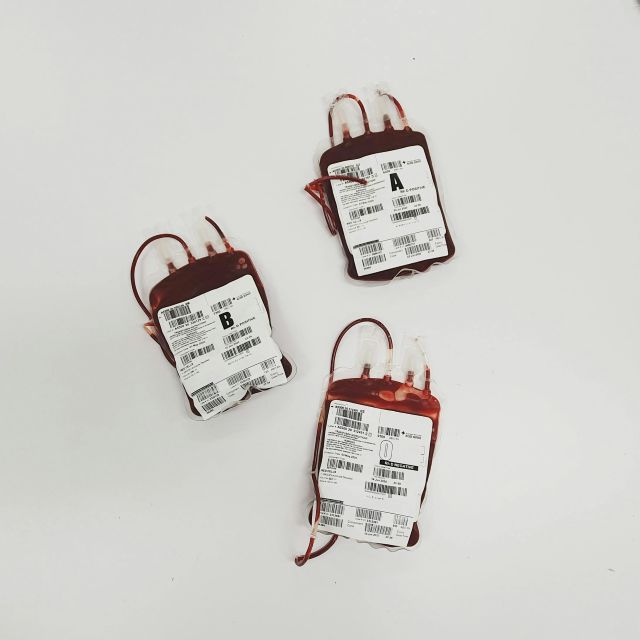)
Therapeutic plasma exchange has established uses in certain autoimmune and neurological conditions, yet its migration into the vocabulary of optimisation gives it a different cultural charge.
Paltrow described her symptoms as “ambiguous chronic stuff,” an evocative phrase that captures a distinctly contemporary malaise: fatigue that lingers without diagnosis, mental fog that resists easy explanation, the sense of functioning at three-quarters capacity. These are complaints that populate doctors’ offices and group chats alike, particularly among women navigating midlife’s hormonal recalibrations and professional intensities.
Modern medicine remains extraordinary at acute intervention; it is less fluent in the language of the diffuse. In that ambiguity, alternative and boutique models of care flourish, offering depth where patients feel they have encountered dismissal. Advanced bloodwork, genetic mapping, comprehensive panels that promise to read the body as text — for those who can afford them, these services represent reassurance in motion.
The cost of Paltrow’s treatment (a figure that hovers at the edge of the surreal for most) inevitably reframes the conversation. At this level, wellness becomes indistinguishable from luxury, and intervention itself acquires the sheen of exclusivity. The affluent have long served as early adopters of experimental health technologies, from full-body scans to stem cell therapies, inhabiting a frontier where curiosity and capital intersect. Some of those practices trickle down into broader acceptance; others dissolve into footnotes. What remains consistent is the symbolism of access.
STORY CONTINUES BELOW THIS AD
To filter one’s own plasma is, culturally speaking, a gesture of extraordinary decisiveness. Across centuries, purification rituals have signified renewal and moral clarity. Fasting, bathing and abstinence carried the promise of starting anew.
Plasma exchange translates that ancient instinct into clinical precision, replacing metaphor with machinery while preserving the emotional logic. Remove what does not serve you and return lighter.
That logic resonates powerfully in an era saturated with the language of detoxification. We detox our diets, our social feeds, our schedules. We speak of emotional toxins and environmental burdens with equal fluency. The idea that our bloodstream might also contain removable obstacles feels intuitively aligned with the mood of the moment. It promises agency over the invisible.
Paltrow has spoken openly about her family’s experiences with cancer and her commitment to annual screenings and genetic testing, framing vigilance as an act of responsibility rather than obsession. When illness has brushed close, control can feel like a form of devotion, a way of negotiating with uncertainty. The body becomes a site of constant monitoring not out of vanity, but out of reverence — or perhaps fear.
STORY CONTINUES BELOW THIS AD
Midlife intensifies that negotiation. For women especially, this period has long been shadowed by narratives of diminishment. Paltrow offers an alternative image: midlife as a zone of discipline and self-possession, defined by strength training, meditation, intermittent fasting, and, now, a technologically assisted recalibration of the blood itself. It is an image that rejects retreat in favour of refinement, insisting that ageing is not a passive process but an active practice.
There is empowerment in that stance, and there is pressure as well. The modern woman is encouraged to remain professionally sharp, physically resilient, emotionally available, and aesthetically luminous, even as hormonal shifts complicate the terrain. Fatigue becomes an affront to productivity and brain fog threatens authority.
The disclosure of the procedure adds another layer. Celebrity health narratives once unfolded behind closed doors, shielded from scrutiny. Today they circulate with curated candour. Paltrow’s account followed a narrative arc familiar to contemporary audiences: a challenge identified, decisive action undertaken, a state of renewed clarity achieved. The structure satisfies because it offers resolution in a culture starved of it.
STORY CONTINUES BELOW THIS AD
Plasma exchange may remain a rarefied indulgence, or it may join the expanding lexicon of acceptable intervention. Its deeper significance lies in the way it crystallises a cultural aspiration: the longing to feel unburdened, clarified, restored to a sharper version of oneself. In a world crowded with stimuli and strain, the fantasy of internal filtration offers an almost spiritual appeal.
What's Your Reaction?