




































The death of lads' mags and the evolution of toxic masculinity
Lads' mags were once synonymous to heaven in a magazine for the British working class man.
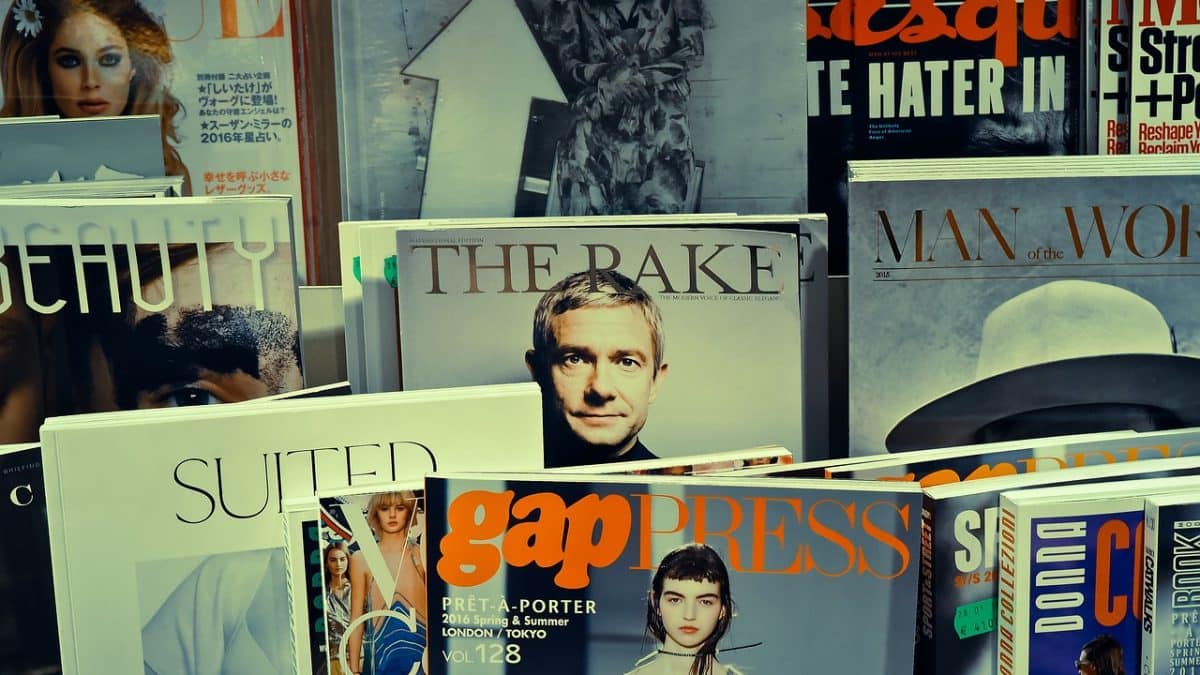
Thirty years ago, a interesting shift hit the newsstands of the UK and eventually the world. In 1994, Loaded magazine was born with the tagline: “For men who should know better.” It was the era of Britpop, “Cool Britannia,” and a newfound national swagger. Bands like Oasis dominated the world, Tony Blair (whom we now know is a war criminal), invited Noel Gallagher to Number 10 Downing Street and the UK was where people went to experience culture.
STORY CONTINUES BELOW THIS AD
As the magazine eyes a 2026 digital relaunch, the “lad culture” it birthed is being re-examined not as harmless 90s nostalgia, but as the blueprint for the modern “Manosphere” and the “capitalist realism” of toxic masculinity.
More from Lifestyle
 "Trump’s Board of Peace for Gaza: India(BHARAT)’s strategic choices in a fading UN order")
 "How Trump’s Gaza Peace Board mocks the UN")
The Rise of the ‘National Gang’
Loaded was a publishing phenomenon, selling over 450,000 copies a month and twice winning Magazine of the Year. Co-founder Tim Southwell remembers it as a “massive celebration” of hedonism where writers were paid to drink with celebrities and play tambourine in Paul Weller’s band.
However, what started as gonzo journalism and pub humor quickly spiraled into a lucrative industry of sheer objectification. Competitors like FHM, Maxim, and the later “magazines like Nuts and Zoo pushed the boundaries of the mainstream. By 1999, FHM was selling a staggering 750,000 copies monthly, proving that sexual objectification was the ultimate 90s commodity.
The Data:
The legacy of these magazines is not solely a collection of attractive women, house music and football. Critics argue they normalised a culture of dehumanisation that had measurable psychological impacts.
The print era largely ended because of the internet. By 2015, Loaded, FHM, and Zoo had all ceased print operations as free online pornography made the “modesty shields” of the newsstand redundant.
Despite the “ladette” movement, where women like Zoe Ball or Denise van Outen matched men in binge drinking, the magazines remained strictly exclusionary. The male gaze they promoted was almost exclusively white, Western, and “classically” beautiful.
Physical magazines can now almost be called cultural relics. Cultural critics, influenced by the late Mark Fisher, argue that the neoliberalism of the 90s commodified masculinity itself, creating a competitive, aggressive consumer-identity that has simply migrated to new platforms.
STORY CONTINUES BELOW THIS AD
Today, the “lad” has evolved into the “Alpha Male” influencer. The “locker room humor” of the 90s has been replaced by the “ironic misogyny” of Reddit forums and gaming communities. Figures like Andrew Tate are, in many ways, the digital descendants of the 90s editor, trading “pub banter” for algorithmic dominance, although some may argue that there is a class difference between what the two offer.
The Legacy for Women
For the women who worked in the industry, the memories are conflicted. Some, like Sali Hughes in her interview with The Guardian, recall a supportive office environment where they could rise through the ranks. Others have recalled the immense pressure to “strip down” to remain relevant in a culture where sexual capital was the only currency.
As Loaded relaunches “for men who know better,” the world it enters is vastly different. The 2020s are defined by #MeToo, a yawning gender pay gap, and a heightened awareness of institutional sexism.
The impact of this era on women remains a complex and often contradictory legacy. While some female insiders recall a supportive, anarchic office environment that offered more career mobility than traditional women’s glossies, the broader cultural cost was immense. High-profile figures like Fearne Cotton and Gail Porter have since reflected on the exploitation they felt during that era, while others, such as Melinda Messenger have reported instances of sexual harassment during shoots.
STORY CONTINUES BELOW THIS AD
By the early 2000s, the “pornification” of the mainstream had become so pervasive that it triggered a profound feminist backlash. The cultural gravity of the era was perhaps most chillingly illustrated by a study in the British Journal of Psychiatry, which found that participants could not distinguish between quotes from popular lads’ mags and the statements of convicted rapists, highlighting how the magazines normalized the dehumanization of women under the guise of “banter."
The question remains: Can the “spirit of Loaded” exist without the toxicity that eventually consumed it?
What's Your Reaction?