

































Bank of America resets jobs forecast before unemployment report
All eyes are on unemployment this year after job losses surged in 2025, causing the unemployment rate to climb to 4.6% in November, up from 4% in January, and a low of 3.4% in 2023. The uptick in unemployment prompted the Federal Reserve to overlook inflation concerns, leading to interest rate cuts ...
All eyes are on unemployment this year after job losses surged in 2025, causing the unemployment rate to climb to 4.6% in November, up from 4% in January, and a low of 3.4% in 2023.
The uptick in unemployment prompted the Federal Reserve to overlook inflation concerns, leading to interest rate cuts in September, October, and December. What happens to interest rates at the next FOMC meeting in January hinges largely on what the Bureau of Labor Statistics' December employment report reveals.
Unemployment rate by month (2025):
- November: 4.6%
- October: N/A (shutdown)
- September: 4.4%
- August: 4.3%
- July: 4.2%
- June: 4.1%
- May: 4.2%
- April: 4.2%
- March: 4.2%
- February: 4.1%
- January: 4%
Source: BLS.
That report, due on Friday, January 9, is expected to show more of the same, based on estimates from Wall Street economists. The consensus prediction is that the U.S. unemployment rate worsened to 4.7% last month.
However, not everyone agrees. A Bank of America forecast released this week and shared with me predicts a decline in the unemployment rate, raising questions about whether another rate cut will be announced when the Fed makes its next decision on January 28. FotoField/Shutterstock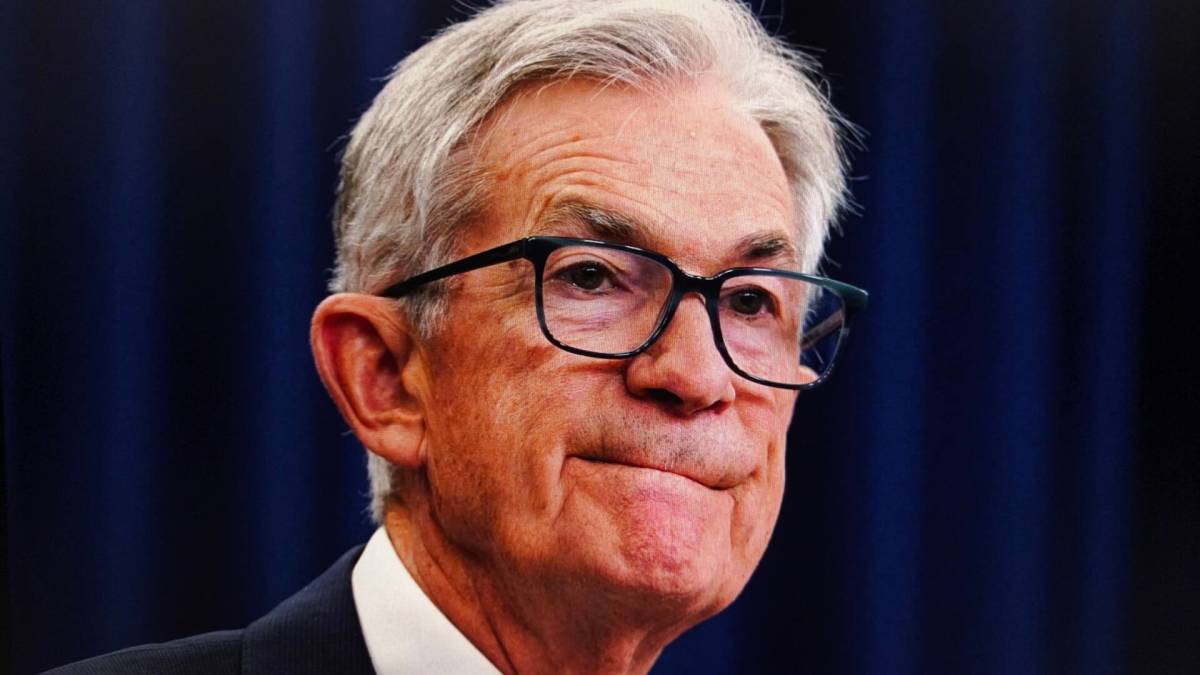
Bank of America predicts unemployment fell in December
I've witnessed considerable debate over just how healthy the economy is over the past year. GDP, which measures all economic activity, is undeniably strong, growing 4.3% in the third quarter. The Atlanta Fed's GDPNow tool estimates that fourth-quarter GDP grew 2.7%.
Yet, unemployment has continued to rise steadily, driven in part by increasing layoffs as companies cut costs to shore up profits. U.S. employers laid off over 1.1 million workers through November, according to Challenger, Gray & Christmas, up 54% from last year.
Still, the uptick in unemployment in November to 4.6% may have overstated the severity of the labor market's decline, suggests Bank of America's analysts.
More Jobs:
- Goldman Sachs makes unemployment prediction
- How Work Conditions Impact Mental Health
- November BLS jobs data show the good, bad, and ugly, analysts say
- Cooling jobs report resets Fed interest-rate cut bet
"The u-rate rose to 4.564% in Nov from 4.440% in Sep, a substantial pickup. But this was in part due to idiosyncratic spikes in temporary layoffs and labor force reentrants," wrote Bank of America in a research note shared with TheStreet. "The BLS said the November estimates had larger-than-usual standard errors due to low response rates/missing data."
Bank of America's economists predict that the labor force participation rate, used to calculate the unemployment rate, will decrease to 62.4% from 62.5% in November, reversing its November gain. They also suggest that "shutdown-related distortions likely added at least a tenth to the u-rate" in November.
A combination of more accurate data, the downtick in participation, and the removal of the overhang due to the shutdown will all contribute to a lower unemployment rate for December.
In fact, Bank of America also said that there's a chance that, when rounded, the unemployment rate could clock in as low as 4.4% for December, a figure that would undoubtedly raise eyebrows and deter the Fed from cutting rates again in January.
"It is likely that the worst is behind us in the labor market," said Bank of America.
What's next for Fed interest rates?
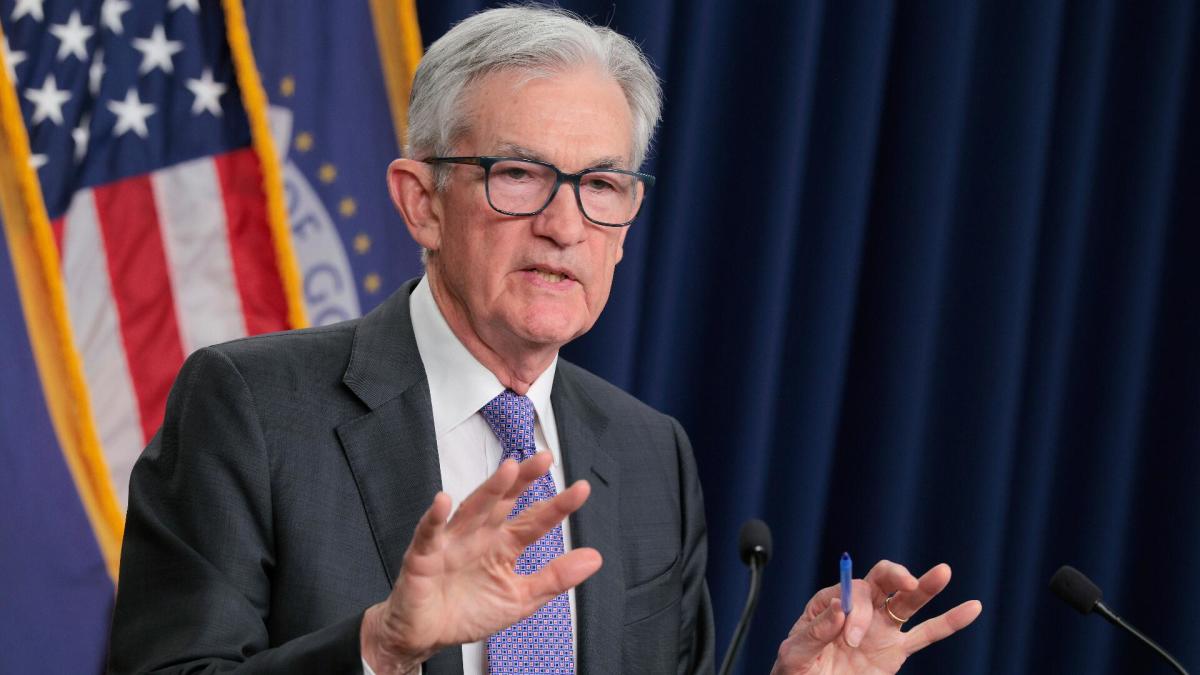
Federal Reserve ChairmanJerome Powell held off on rate cuts in 2025 until the fall due to rising inflation resulting from tariffs. The increase in the unemployment rate, however, forced the Fed to cut at each of its final three meetings last year, reducing the Fed Funds Rate by three-quarters of a percentage point to a range of 3.5% to 3.75%.
Whether rates continue to fall in 2026 is unclear. Powell came across as hawkish following his last cut in December, but he did leave the door open to further cuts if the jobs market continues to weaken.
Related: Wall Street quietly bought these energy stocks before Venezuela attack
The Fed's December dot-plot, which shows the expected path of rates by Fed officials, suggests just one more cut coming in 2026, while markets (and many economists) anticipate two or more cuts by the end of the year.
For instance, I wrote recently that Louis Navellier, a veteran fund manager who has been navigating markets since the 1980s, expects four rate cuts in 2026.
Still, according to the CME's FedWatch tool, the highest odds (32%) are for rates to finish 2026 in a range of 3% to 3.25%, suggesting two cuts.
The likelihood that one of those cuts happens in January is small. The FedWatch tool assigns a 17% probability to a quarter-point cut later this month.
Bank of America similarly believes a January cut is unlikely, given its forecast of a 4.5% unemployment rate. Its economists believe that a 4.6% or lower unemployment rate will cause the Fed to pause, and a reading of at least 4.7% would be necessary to reset bets for a cut at the end of the month.
"For now, our base case remains that the Fed will not cut again under Powell," wrote Bank of America.
Powell took fire from the White House for not cutting rates sooner last year, and he is expected to be replaced as Fed Chairman when his term expires in May.
Related: Interest-rate cuts may fade for 2026 borrowers: Fed official
What's Your Reaction?