




































Best Buy, Macy's, and Kohl's add fees to holiday returns
Retailers want to minimize returns. That's because even when a returned item can be resold or returned to a vendor, doing either of those costs money. It takes manpower to process returns, and customers often get angry when they learn that they missed a window or can't get a cash refund because of ...
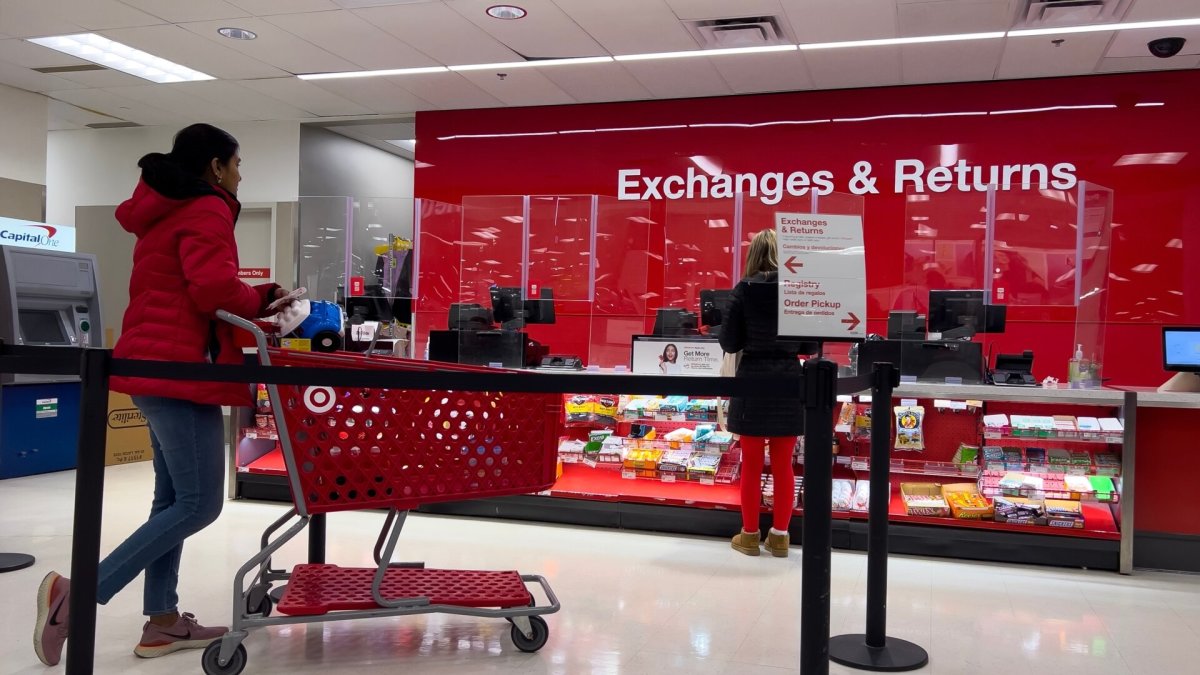
Retailers want to minimize returns. That's because even when a returned item can be resold or returned to a vendor, doing either of those costs money.
It takes manpower to process returns, and customers often get angry when they learn that they missed a window or can't get a cash refund because of a lost receipt. Returns mean something went wrong, and retailers do what they can to minimize them.
Ideally, that means getting customers the right item in the first place. It also means, for many retailers, making the return policy odious enough that consumers might just keep the item.
"Retailers expect 15.8% of their annual sales will be returned this year, which translates to about $849.9 billion, according to a report from the National Retail Federation (NRF) and Happy Returns. That’s down slightly from 16.9% and $890 billion last year.
Retailers may have lowered the number by changing one key policy, EMarketer reported.
"Nearly three-quarters (72%) of retailers now charge for at least some returns, up from 66% last year," the research firm reported. "However, those types of policies carry a cost. Nearly half (47%) of merchants that began charging for returns report an increase in customer complaints, 37% lost customers due to their return fees, 34% saw their average order value fall, and 24% saw sales decrease."
Despite the clear consumer dislike of restocking charges, a number of major brands will have them this holiday season.
What changed in 2025
- Return fees spread: About 72% of retailers now charge for some returns, up from 66% last year.
- Fees go mainstream: Charges once limited to electronics now affect clothing, beauty, and off-price purchases.
- Holiday returns get stricter: Extended deadlines now come with fees and tighter documentation rules.

Shutterstock
These retailers charge restocking fees
- Best Buy: 15% restocking fee on opened electronics like drones, cameras, lenses ,and a $45 restocking fee on activatable devices (phones/tablets), even during holiday return windows, according to the Best Buy website.
- Kohl’s; Shipping costs and surcharges are non-refundable. There is a 15% restocking fee unless the returned item is defective," Kohl's shared on its website.
- Macy’s: $9.99 return shipping fee deducted from refund (unless you’re a loyalty member). This isn’t a classic percent restocking fee, but it works like one for online returns, shared Macy's Customer Service.
- T.J. Maxx/Marshalls/HomeGoods (TJX stores): $11.99 per mailed return deducted from your refund. Avoidable by returning in‑store," according to the Marshalls website.
- J.C. Penney: $8 fee per mail‑in return. Larger items like furniture may incur restocking and pickup fees (e.g., 15-20% plus $85), J.C. Penney shared on its website.
- J. Crew: $7.50 per mail return fee deducted from your refund, according to the J. Crew website.
- Zara: $4.95 per item returned deducted from your refund, Zara shared on its website.
- Urban Outfitters: $5 restocking‑type fee on most mailed returns, Urban Outfitters published on its website.
- Dillard’s: $9.95 label/return fee plus potential restocking charges, Dillard's shared on its website.
Minimize returns in the first place
In the two years I spent running Time Machine Hobby, a massive toy store in Manchester, Conn., I saw firsthand how minimizing returns starts before the sale.
The answer was that we had almost none because we knew our customers and helped anyone who came through our doors find the right gifts for whoever they might be shopping for.
Most years, we had under 10 returns, and many of the items that got returned were purchased by adults who were making choices based on their own nostalgia, not what their children or grandchildren might want.
How much do returns cost retailers?
Retailers have been trying to make their return policies more pleasant, while also working to prevent fraud, according to a study from the National Retail Federation.
"In response to consumer demand, retailers continue to enhance the return experience for customers," shared the NRF.
- More than two-thirds of retailers surveyed (68%) say they are prioritizing upgrading their returns capabilities within the next six months.
- In addition, improving the returns experience and reducing the return rate are viewed as two of the most important elements for businesses in achieving their 2025 goals.
"However, retailers must balance meeting consumer demand for seamless returns against rising costs," the NRF added. "Fraudulent and abusive returns practices create both logistical and financial challenges for retailers."
- A majority (93%) of retailers said retail fraud and other exploitive behavior is a significant issue for their business. In terms of abuse, bracketing – purchasing multiple items with the intent to return some – has seen growth among younger consumers, with 51% of Gen Z consumers indicating they engage in this practice.
“Return policies are no longer just a post-purchase consideration – they’re shaping how younger generations shop from the start,” said Happy Returns CEO David Sobie, co-founder and CEO of Happy Returns. “With behaviors like bracketing and rising return rates putting strain on traditional systems, retailers need to rethink reverse logistics. Solutions like no box/no label returns with item verification enable immediate refunds, meeting customer expectations for convenience while increasing accuracy, reducing fraud, and helping to protect profitability in a competitive market.”
Related: Beloved Macy’s Christmas tradition ends abruptly after 80 years
Extended return windows (holiday change vs normal)
While many retailers have embraced charges for returns, many others have extended their return windows during the holiday season,
- Amazon: Most holiday purchases (Nov 1-Dec 31) can be returned until Jan 31, 2026, compared with the usual 30‑day window. Apple products bought in that period must be returned by Jan 15, 2026, according to Amazon.
- Walmart: Items purchased Oct 1–Dec 31 are returnable through Jan 31, 2026, versus the typical shorter seasonal window, shared The Krazy Coupon Lady.
- Target: Most holiday purchases (Nov 1–Dec 24) get an extended deadline of Jan 24, 2026 compared with its standard ~90‑day rule, according to Target.
Electronics & Entertainment items (excluding Apple and Beats): You’ll have 30 days from December 26 to make a return. Items must be returned by January 24, 2026. Apple & Beats products and mobile phones (unlocked or pre-paid):You’ll have 14 days from December 26 to make a return. Items must be returned by January 8, 2026. Target Plus items: Most Target Plus items (excluding seasonal holiday décor) will have 30 days from December 26 to make a return. Items must be returned by January 24, 2026. Source: Target - Best Buy: Holiday returns (Oct 31–Dec 31) are accepted until Jan 15, 2026, longer than normal product timeframes. Some memberships may extend further, according to Best Buy.
- Macy’s: Purchases Oct 6–Dec 31 can be returned through Jan 31, 2026, instead of the standard “30–90 days” return period, shared. Macy's Customer Service.
- Kohl’s: Holiday return deadlines extended to Jan 31, 2026 for eligible purchases made Oct 5-Dec. 31 (regular 90‑day still applies outside those dates), Kohl's shared on its website.
- Sephora: Extended holiday return for purchases (Oct 31-Dec 30) into Jan 30, 2026, longer than its usual 60‑day policy, Sephora posted online.
- Ulta Beauty: Purchases Nov 1–Dec 31 returnable through Jan 31, 2026, versus the usual 60‑day window, Ulta Beauty shared on its website.
Amazon Prime members: Do not miss this bonus deal from our sponsor (it could be worth hundreds)
Other notable holiday return policy changes
- Documentation stricter: Many stores enforce receipts/tags more strictly than usual to qualify for extended returns
- Shipping deadlines: Carriers and retailers are stressing final ship dates for holiday delivery (not always seen in regular season communications).
Source: Consumer Affairs
Consumer Affairs also offered some tips for shoppers.
- Pick your return path before you buy: On the product page or at checkout, click “Returns.” If you see a dollar amount for mailed returns, assume you’ll need to return in-store to make it free.
- Always choose the free drop-off option: Amazon and others show multiple return methods. Be sure to pick label-free/box-free options at partner locations.
- Join the free loyalty tier when it help: H&M and Macy’s, for example, waive the mail fees for members. Signing up at checkout is worth it.
- Favor retailers with free labels if you can’t get to a store: Best Buy, Nordstrom, and many Gap/Old Navy items typically include prepaid labels.
- Watch marketplace fine print: On Walmart/Best Buy marketplaces, sellers generally follow the platform’s free-return rules. But remember to always initiate the return through the platform, not the seller’s site.
Related: Costco adds big-name brands, shoppers won’t believe what’s new
What's Your Reaction?