
































BofA pours cold water on what's next for rates under Powell
If you were betting on the Federal Reserve to keep the rate-cut party going, I have some bad news: Bank of America has just poured cold water on that forecast. In a new research note shared with me, analysts revealed an uncomfortable truth: while Jerome Powell remains at the helm until May, the ...
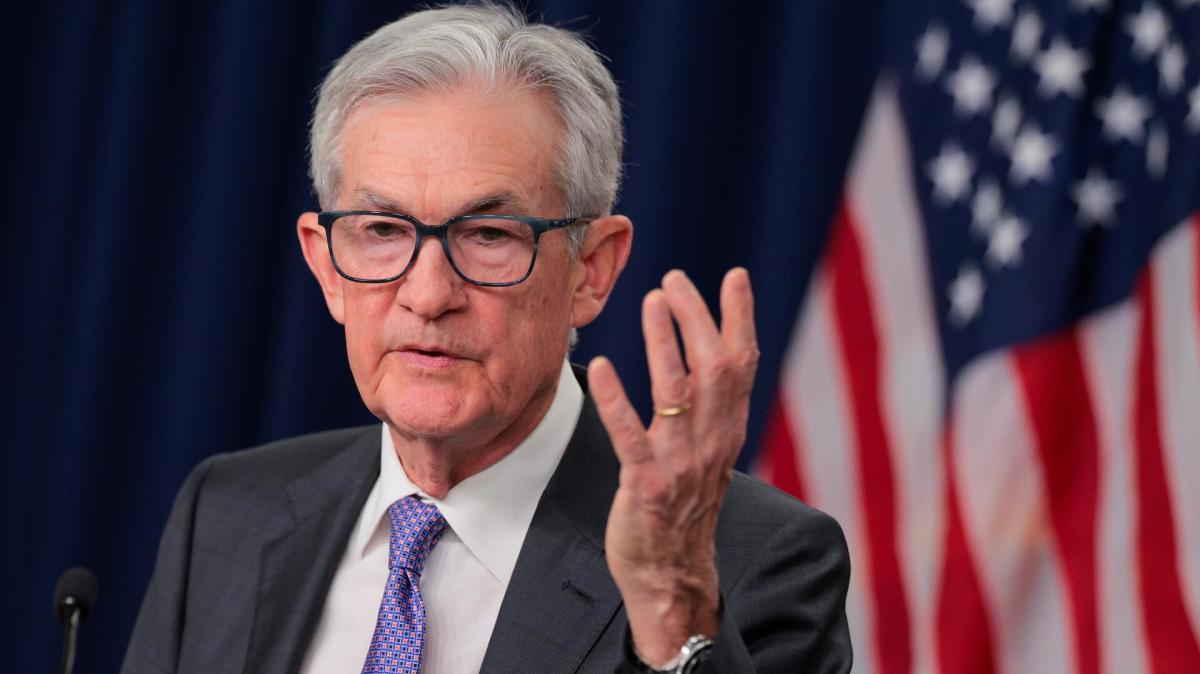
If you were betting on the Federal Reserve to keep the rate-cut party going, I have some bad news: Bank of America has just poured cold water on that forecast.
In a new research note shared with me, analysts revealed an uncomfortable truth: while Jerome Powell remains at the helm until May, the "relief" for consumers has already stalled. Despite the Fed's easing late last year, the 10-year Treasury yield—which dictates everything from mortgages to auto loans—is stubbornly clinging near 4.2%. This disconnect between Wall Street’s "soft landing" hopes and Main Street's borrowing reality has reached a breaking point.
The 121-year-old bank's economists expect the Fed to leave interest rates unchanged at its January 28 meeting and potentially through the remainder of Powell's tenure. This "pencils down" outlook aligns with the Fed’s own December dot plot, which signaled only one solitary cut for all of 2026. It also mirrors the CME’s FedWatch tool, where traders have pushed the odds of any real relief out to June at the earliest.
This is a gut punch for homebuyers hoping to close the affordability gap and families eager to refinance. The setup suggests we may have already seen the last cut of the Powell era, leaving borrowers stranded in a "higher-for-longer" reality just as the leadership transition begins. Chip Somodevilla/Getty Images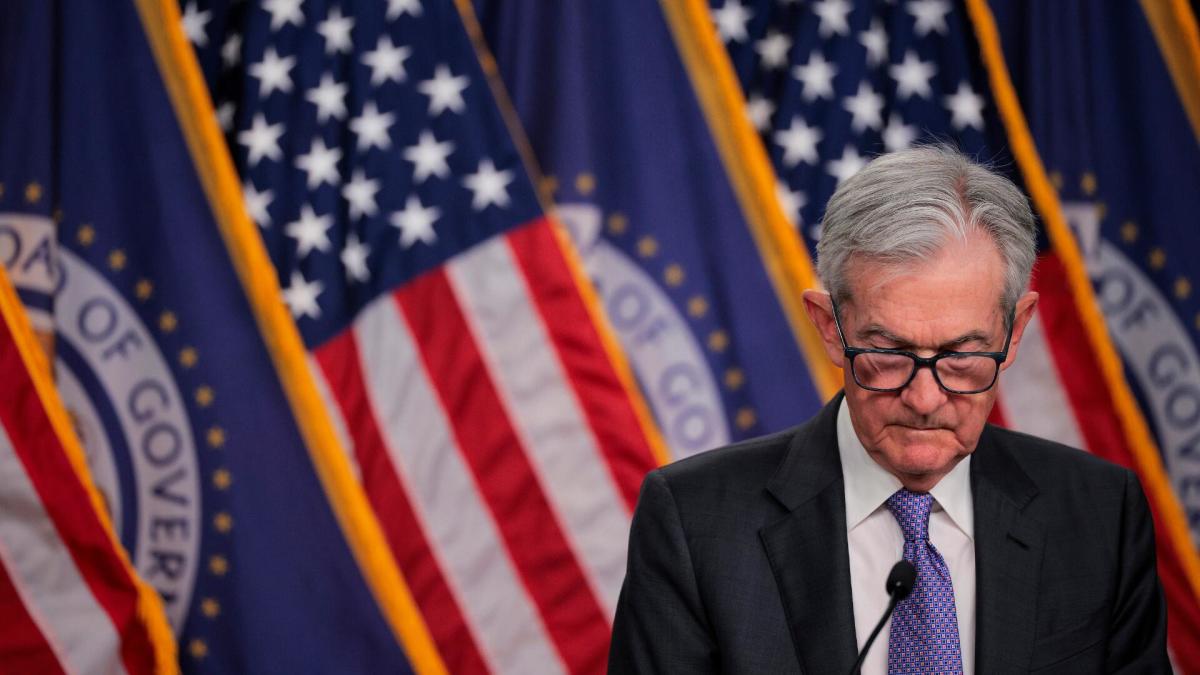
Federal Reserve moves to the sidelines as Powell's term winds down
Bank of America's stark take on interest rates follows a December jobs report that essentially closed the door on a January cut.
"The key statistic is the u-rate moving down to 4.4%," wrote BofA analysts. "This print will keep the Fed comfortably on hold in January. We stick with our call that they won't cut again under Powell."
For a Fed that operates on a dual mandate of low inflation and low unemployment, 2025 was a year of brutal contradictions. In my 30-year career, I’ve rarely seen these two goals compete so fiercely. President Trump’s tariffs contributed to CPI climbing from 2.3% in April to 2.7% by November, while unemployment peaked at 4.6% (revised down to 4.5%) before its recent dip.
The tension was palpable—and it likely cost Powell his job.
The "Lame Duck" Fed
Worried about fanning inflationary flames, Powell stayed on the sidelines until September. While he cut rates at the final three meetings of 2025, it appears to have been too little, too late to secure a re-nomination. With his term expiring on May 15, 2026, BofA economists believe the Fed is officially on hold.
More Federal Reserve:
- Cooling jobs report resets Fed interest-rate cut bet
- Fed faces 2026 upheaval as economy shifts, Powell exits
- Fed official forecasts bold path for interest rates, GDP in 2026
- Fed cuts rates as dissents loom at key December meeting
"There is now less than half a cut priced through April. This makes sense," BofA noted. "With 75bp of cuts already in the books since September, it's time to take a break."
This pause is bad news for borrowers, as it suggests the "parting gift" many hoped for won't materialize. Instead, the market is already looking past Powell toward a successor like Kevin Hassett or Kevin Warsh, who may be more willing to step on the economic gas pedal—though with inflation still sticky, even that isn't a guaranteed win for homebuyers.
Mortgage rate relief may come from elsewhere
The Fed's three-quarter-point cuts at the end of 2025 reduced the Fed Funds Rate to a range of 3.5% to 3.75%. While the Fed doesn't set mortgage rates directly, the FFR impacts the Treasury yields that mortgages (and other lending rates) tend to follow.
Historically, mortgage rates have averaged roughly 1.5% to 2% above the 10-year Treasury note yield. However, that spread has been stubbornly elevated in 2025 as investors balked at buying Treasuries amid mounting debt concerns. Quantitative tightening—where the Fed allowed Mortgage Backed Securities (MBS) to run off its balance sheet—only added to the pressure.
Since 2023, the FFR has fallen by 1.75%, but mortgage rates have been slower to follow, dropping from 7.76% to 6.16% as of January 8. But just as the Fed signaled a move to the sidelines, a surprise "relief valve" appeared from the White House.
The Trump MBS "Intervention"
On January 8, President Trump announced he was instructing Fannie Mae and Freddie Mac to use their $200 billion in liquidity to buy MBS in the open market. The reaction was immediate: the 30-year mortgage rate dropped to 6.06% on January 9, its lowest level since 2023.
Bill Pulte, Director of the Federal Housing Finance Agency (FHFA), confirmed the move on X, stating that Fannie and Freddie have "ample liquidity" to execute. This policy effectively mirrors the Fed's "Quantitative Easing" but on a smaller, more targeted scale. Treasury Secretary Scott Bessent told Reuters that the goal is to "roughly match the Fed," which has been letting about $15 billion of MBS roll off its books each month.
"What is happening is the Fed has about $15 billion of roll-off every month... I think the idea is to roughly match the Fed, which has been pushing the other way," said Treasury Secretary Scott Bessent
My take: While the Powell-led Fed may be finished with rate cuts until May, the White House is using the GSEs to manufacture the relief that the central bank won't provide. For homebuyers, this means mortgage rates could continue to slide even if the Fed stays on the sidelines.
Related: Fed interest rate cut bets shift for January
What's Your Reaction?