

























Buffett leaves, and Berkshire investors waste no time reacting
Warren Buffett has officially left the CEO role at Berkshire Hathaway, ending roughly six decades of one-man dominance over one of the most important stocks in the market. Buffett, now 95, stepped down effective Jan. 1, 2026, handing the chief executive job to 63‑year‑old Greg Abel while remaining ...
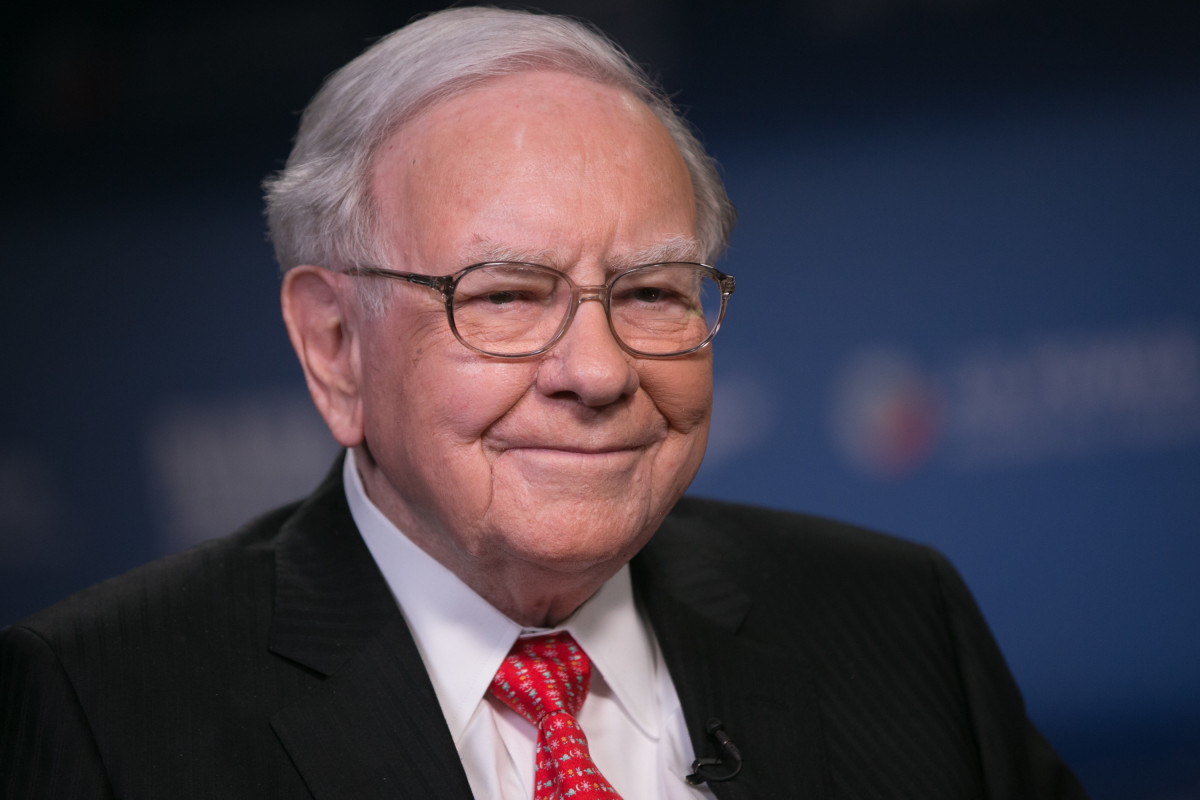
Warren Buffett has officially left the CEO role at Berkshire Hathaway, ending roughly six decades of one-man dominance over one of the most important stocks in the market.
Buffett, now 95, stepped down effective Jan. 1, 2026, handing the chief executive job to 63‑year‑old Greg Abel while remaining as Berkshire’s chairman and a powerful sounding board.
According to CNBC, Berkshire’s Class A shares fell as much as 1.4% in morning trading on Abel’s first day before closing down about 0.5%, while Investopedia noted that “Berkshire’s shares fell over 1%, while the S&P 500 rose” on that same session.
That might sound like a shrug, but if you own Berkshire, you know this is the moment you have quietly worried about for years: the day the Buffett premium meets the Abel reality.
How Berkshire stock is really reacting to new CEO
You didn’t see a panic, but you did see money move.
CNBC reported that Berkshire wrapped up 2025 with roughly an 11% gain, trailing the S&P 500’s mid-teens advance and underperforming from the moment Buffett’s retirement timeline became concrete.
Related: Greg Abel’s net worth: Buffett’s successor’s wealth as Berkshire’s next CEO
Investopedia reports that since Buffett revealed his retirement plans in early May, Berkshire’s stock declined roughly 7% into year‑end, while the S&P 500 climbed about 20%, a gap some analysts now describe as a clear “succession discount.”
In other words, the market didn’t wait until the formal handoff to react; it has been repricing Berkshire for months as Buffett’s timeline shifted from rumor to reality, and Abel’s era stopped being theoretical.
What Buffett and the pros are saying about Berkshire's leadership transition
Buffett is not leaving you without a message, and the pros are already framing the Abel era in clear terms.
According to CNBC’s special coverage of the transition, Buffett told the network, “Greg will be the decider,” making it clear that capital allocation belongs to Abel now, even as Buffett stays on as chairman. Shutterstock
In that same interview, Buffett said Berkshire is “better positioned than any company” for the long term, a line that doubles as both a farewell and a warning not to underestimate the machine he leaves behind.
Bloomberg’s interview with CFRA analyst Cathy Seifert framed the opportunity more clinically: She said Abel is inheriting “a $1 trillion conglomerate with more than $350 billion in cash,” and investors will judge him on how quickly he turns that cash hoard into visible returns.
More Wall Street
- Goldman Sachs issues urgent take on stock market for 2026
- Analyst who nailed 2023 bull run sets S&P 500 target for 2026
- Longtime fund manager sends blunt message on P/E ratios
- Nasdaq’s near 24-hour trading plan sparks Wall Street backlash
- Every major analyst’s S&P 500 price target for 2026
AInvest, which published a detailed look at the succession, called the market’s early posture “cautiously resilient,” noting that shares dropped more than 11% in the wake of the retirement news but arguing that Berkshire’s cash-rich, diversified balance sheet leaves “substantial margin for error” as the Abel era begins.
A year-end analysis by Seeking Alpha put it bluntly: “The era of the ‘Buffett Premium’ is being phased out in favor of a model that prioritizes operational efficiency over legendary stock-picking,” which is exactly the trade you’re entering as a Berkshire holder today.
What Abel's succession means if you own Berkshire
If you already own Berkshire, you just saw how the market prices the end of a legend and the start of a new playbook.
Investopedia frames it bluntly: On day one of the Abel era, Berkshire dropped more than 1% while the S&P 500 ticked higher, and the stock has lagged badly since his retirement plans were disclosed, underscoring that investors are uneasy about life without Buffett as CEO.
From EntrepreneurLoop’s coverage of the transition, some analysts now expect a 5% to 10% valuation discount as the market adjusts to life without Buffett at the helm, replacing the old premium tied to his personal brand with a more ordinary large-cap conglomerate multiple.
AInvest pointed out that Berkshire shares were already more than 30% below its estimated intrinsic value heading into the handoff, arguing that the combination of a big cash cushion and long-term planning makes this less of a “falling knife” and more of a stress test of your time horizon.
If you’re a long-term holder, you’re effectively betting that:
- The board’s slowly telegraphed succession plan works as advertised.
- Abel can turn that cash pile into buybacks, deals, or even a future dividend without blowing up Berkshire’s culture.
- The loss of the Buffett halo doesn’t permanently compress the stock’s multiple.
Personally, when I look at a company with over $300 billion in cash, AAA-style balance sheet strength, and decades of embedded operating businesses, I see not a “Buffett or bust” story, but a test of your patience while a new CEO proves he can steer a ship that was built for the long haul, not the next quarter.
How Greg Abel could earn or lose your trust
For your portfolio, the Abel era will be defined by what he does over the next 12 to 24 months, not what the stock did in a single session.
Key things to watch as an individual Berkshire Hathaway investor
- First 100 days:
MarketMinute’s analysis argued that Wall Street will be laser-focused on Abel’s first 100 days for any sign of a strategic pivot, including whether he leans into a “mega-acquisition” or prioritizes large-scale buybacks. - Capital allocation moves:
AInvest highlighted Berkshire’s roughly $170 billion to $380 billion cash range (depending on source and timing) and suggested that a major repurchase program or a big infrastructure or energy deal is likely by mid-2026 if Abel wants to send a confidence signal. - Dividend talk:
Several analysts, including those cited by EntrepreneurLoop, floated the idea that Berkshire might eventually introduce a dividend under Abel, a sharp break from Buffett’s long-standing “we retain capital, you get compounding” stance. - Communication style:
EntrepreneurLoop noted that Abel isn’t trying to be “the next Warren Buffett,” but his first annual letter and first Omaha meeting as CEO will indicate whether he can keep the transparent, shareholder-first tone that made Berkshire feel different from a typical mega-cap.
If Abel leans into clear communication, disciplined but opportunistic dealmaking, and continued buybacks when Berkshire trades below intrinsic value, you could see today’s modest weakness turn into one more “you had to be brave when the headline scared you” moment in Berkshire history.
What Berkshire investors can do now
This is one of those days where you have to decide what you really own.
If you bought Berkshire as a way to outsource your stock-picking to Buffett, you now own a diversified, cash-heavy conglomerate led by a professional operator whose track record is more about running businesses than picking stocks.
If you stay in, you’re making a conscious choice, betting that a methodically planned succession, a fortress balance sheet, and a still-unique collection of operating companies can outlast the man who built them.
If you get out, you’re effectively saying that the Buffett premium was the whole point, and that the market’s quiet rerating of the stock since his retirement announcement isn’t finished yet.
Looking at the alternatives (a crowded S&P, lots of AI hype, and plenty of leverage tucked into the system), I see Berkshire as a rare case where a short-term wobble after a headline could set up a long-term entry point, if you’re willing to let someone other than Warren Buffett drive.
Related: Warren Buffett's Berkshire Hathaway predicts real estate shift
What's Your Reaction?