
































Clock ticks for $295 billion shadow bank amid secret bank run
Wall Street’s inclusive promise to bring private credit accessible to everyone, ‘democratizing,’ recently hit a cement wall. For a long time, private credit was reserved for the ultra-wealthy and pension funds. After private credit became ‘democratized,’ Mom-and-pop investors are the ones getting ...
Wall Street’s inclusive promise to bring private credit accessible to everyone, ‘democratizing,’ recently hit a cement wall.
For a long time, private credit was reserved for the ultra-wealthy and pension funds. After private credit became ‘democratized,’ Mom-and-pop investors are the ones getting punished - with no exit in sight.
Blue Owl Capital (OWL) is a leading $295 billion asset manager. It works as a huge shadow bank, managing billions and deploying investors’ capital into real estate, private companies, and tech infrastructure. It has become a household name within the $1.7 trillion private credit frenzy.
But the company is in a precarious situation. In a New York federal lawsuit, the asset manager is alleged to have “quietly” forced withdrawals as panic began to spread among its retail investors. The lawsuit involves a $150 million withdrawal surge and what critics call a “desperate bid” to hide the liquidity crisis before it became public.
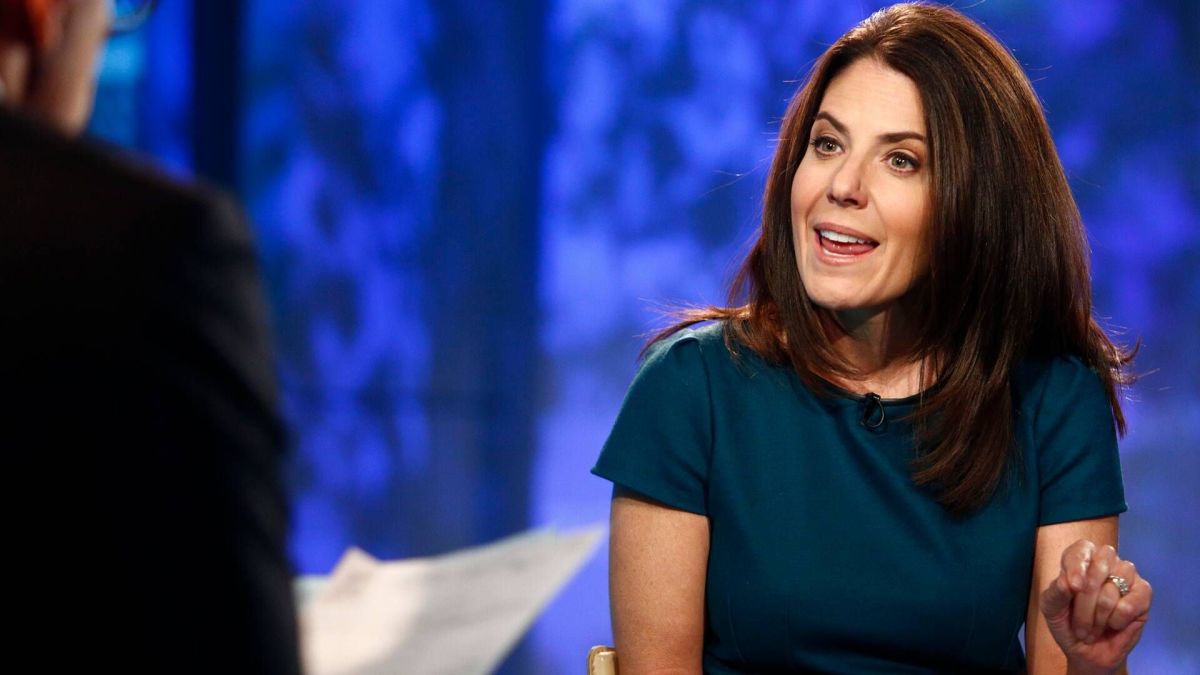
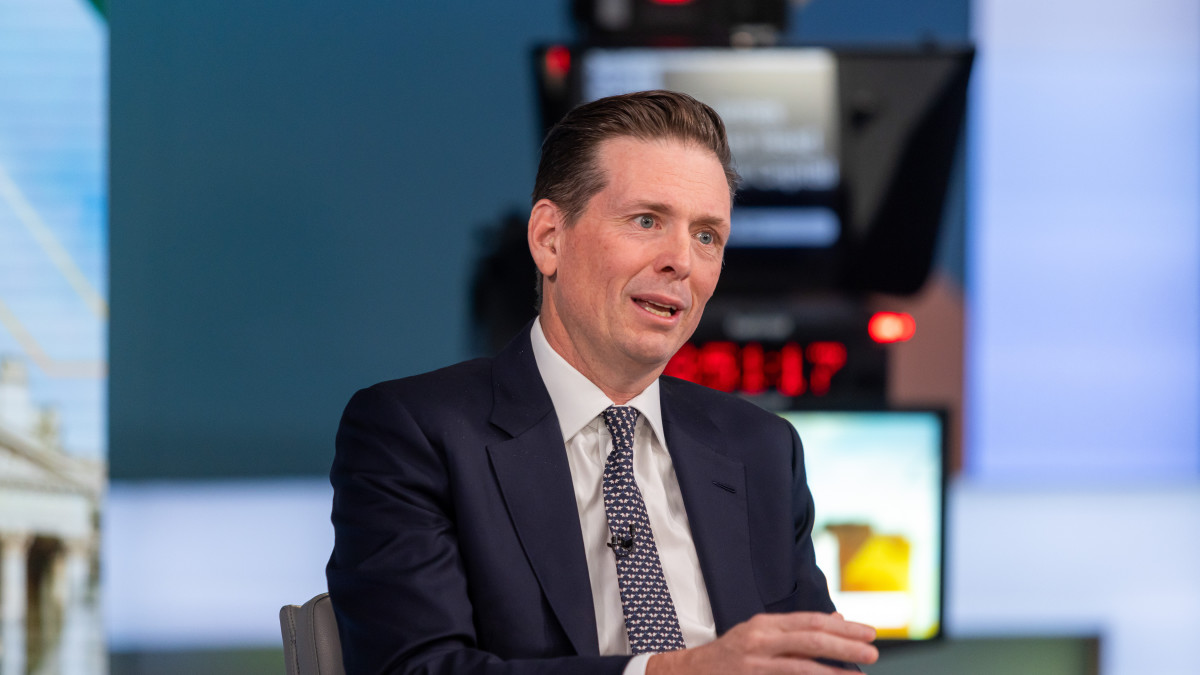
With the impending Feb. 2 court date this Monday, time is running out for those caught in the whirlwind. Photographer: Bing Guan/Bloomberg via Getty Images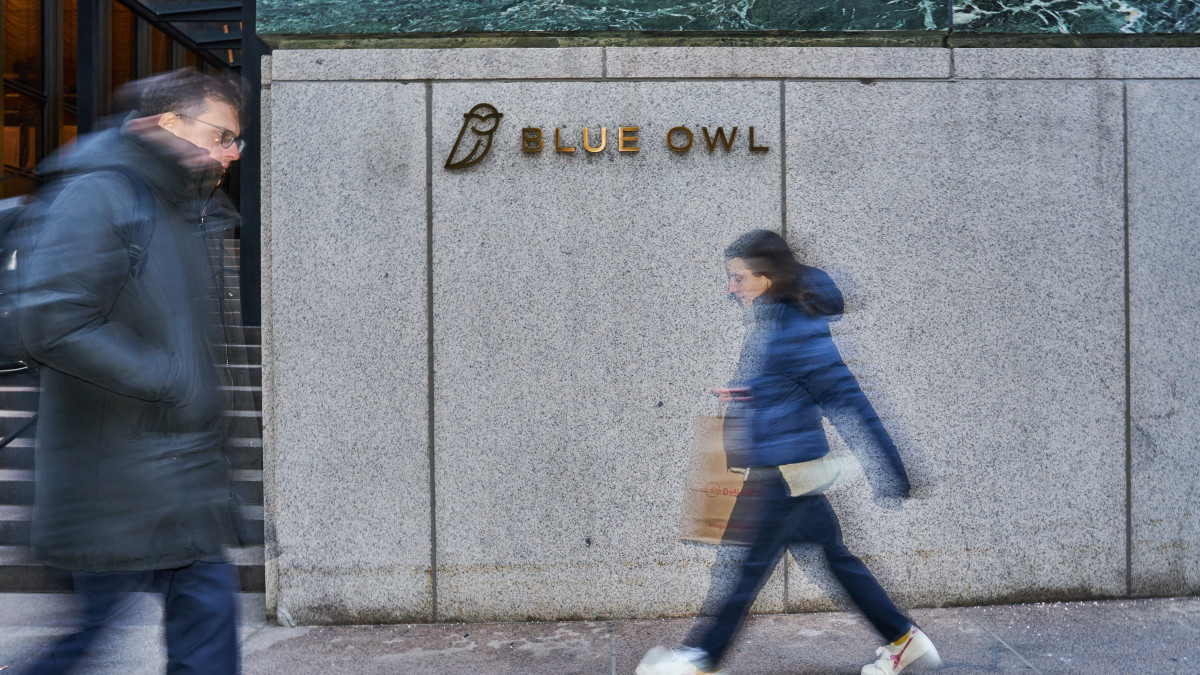
$1.7 trillion private credit bubble & Blue Owl’s secret ‘bank run’
Blue Owl executives publicly claimed there was “no meaningful pressure” on their asset base, but something was brewing behind the scenes in a federal class-action lawsuit filed in New York (Goldman v. Blue Owl Capital Inc.).
The investors in the firm’s private credit fund, called OBDC II, were trying to exit in 2025. The allegation claims that while the company was assuring the public that everything was “stable,” $150 million from the fund was withdrawn within the first 9 months of the year, up a staggering 20% from the previous year.
More Wall Street
- Goldman Sachs issues urgent take on stock market for 2026
- Analyst who nailed 2023 bull run sets S&P 500 target for 2026
- Longtime fund manager sends blunt message on P/E ratios
- Nasdaq’s near 24-hour trading plan sparks Wall Street backlash
- Every major analyst’s S&P 500 price target for 2026
Blue Owl did not reach consensus estimates in its third-quarter report, with $376.2 million in fee-related earnings and a 33% year-to-year decrease in performance revenue, to about $188,000 - all signals that the “easy money” from the last few years is getting drained.
In the third quarter of 2025, panic peaked, with redemptions doubling to $60 million, or 6% of the fund’s value.
The lawsuit alleges that, in response to this “bank run,” Blue Owl planned a controversial merger between OBDC, its publicly traded sister fund, and the private OBDC II. The merger effectively gave the rule to freeze all withdrawals until the merger was complete in 2026, leaving retail investors unable to withdraw their cash as the value dropped.
Related: Regional bank CEO on private credit, impacts from AI
However, due to investor pushback and plummeting stock prices, Blue Owl Capital effectively canceled the merger on November 19, 2025.
Key figures in the federal complaint filed in the Southern District of New York named Blue Owl’s Co-CEOs, Douglas I. Ostrover and Marc S. Lipschultz, for allegedly making false statements.
Blue Owl walked away from Oracle’s $10 billion deal
Before Blue Owl’s partnership with Oracle (ORCL) collapsed in December, it was considered the main capital source for Michigan’s $10 billion data center, which was critical to OpenAI’s future. Blue Owl walked away.
Oracle claimed they “selected a different partner,” aka ongoing talks with Blackstone. Reports suggest that Blue Owl walked away from Oracle's increasing debt load, deciding the $10 billion commitment was too much of a grim undertaking.
If you think about it, Blue Owl did not seem willing to fund its prestigious, large data-giant partner, which explains the “freeze” on withdrawals for retail investors in private funds like OBDC II.
It’s a corporate case of overpromising in the ever-so-popular tech revolution, while the actual cash was drying up faster than it could be replenished.
Related: Citi analysts see big opportunity in GM's $6 billion crisis
What's Your Reaction?