





























Coca-Cola quietly makes a massive change to its soda brands
While Keurig has faced an enormous backlash over the waste produced by its K-Cups, and Starbucks, McDonald's, and many other chains have faced criticism over plastic straws, Coca-Cola has largely gotten a pass on its wasteful packaging. That's not to say that nobody has criticized the beverage ...
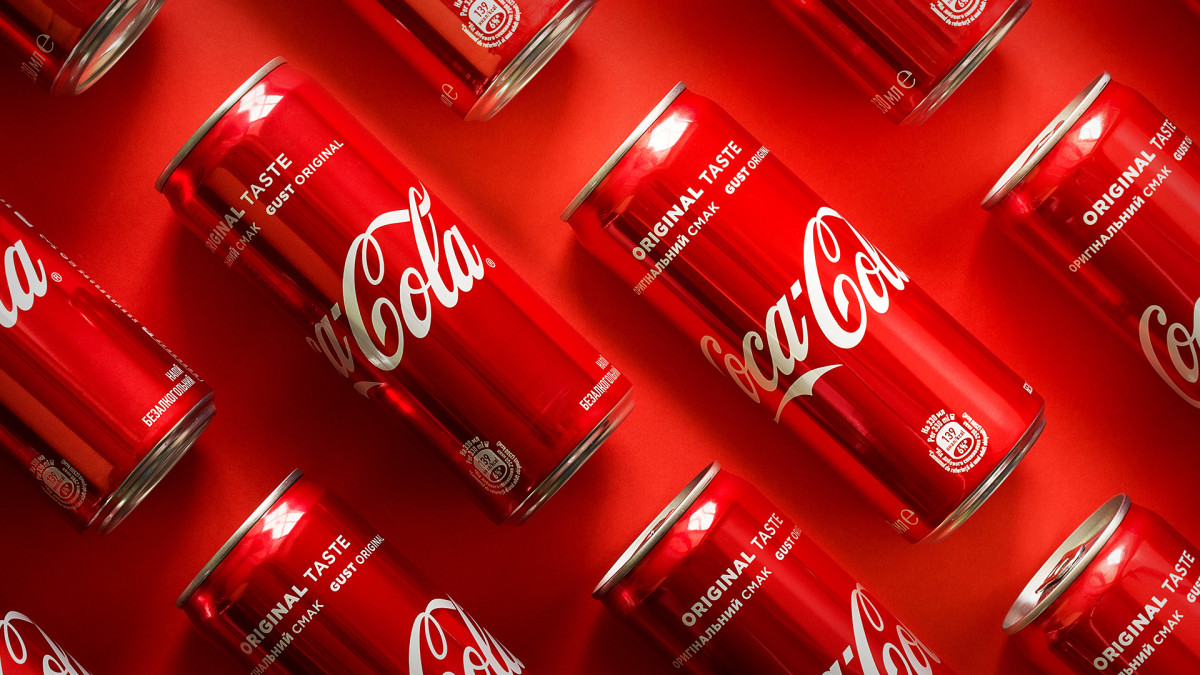
While Keurig has faced an enormous backlash over the waste produced by its K-Cups, and Starbucks, McDonald's, and many other chains have faced criticism over plastic straws, Coca-Cola has largely gotten a pass on its wasteful packaging.
That's not to say that nobody has criticized the beverage giant.
Greenpeace Africa Project Lead Hellen Kahaso Dena cast doubt on the sincerity of the company's sustainability efforts.
“If Coca-Cola is really serious about solving the plastic and climate crisis, it needs to stop its greenwashing, cap its plastic production, and invest in refill and reuse. Ending Coca-Cola’s addiction to single-use plastic is an important step in moving away from fossil fuels, protecting communities in Africa, and combating the climate crisis,” she shared on the Greenpeace website.
Oceana, a prominent ocean conservation group, has similar issues with Coca-Cola.
“Coca-Cola’s decision to double down on single-use plastic – by killing its goals to reduce virgin plastic and to increase reusable packaging – is short-sighted, irresponsible, and worthy of widespread condemnation by its customers, its employees, its investors, and governments worried about the impact of plastics on our oceans and health," said Oceana Oceana Senior Vice President of Strategic Initiatives Matt Littlejohn in a press release.
Coca-Cola makes a major change
Coca-Cola has quietly introduced a major change to its packaging, although it has not yet reached the United States.
"The packaging, developed by Coca-Cola HBC Austria, DS Smith, and Krones, features a recyclable, corrugated paper-and-cardboard handle designed to hold six-packs of 1.5-liter bottles. As Packaging Europe reported, the packaging also features a paper wrap around the bottles and a soft grip on the handle to help consumers carry them," The Cool Down reported.
By changing its plastic wrapping and handles to paper and cardboard alternatives, Coca-Cola HBC expects to save about 220 tons of plastic each year.
“We are proud to partner on this innovative packaging solution, driving out unnecessary waste and single-use plastic. The DS Smith Lift Up concept was designed using DS Smith’s Circular Design Metrics approach, so it uses the least amount of material possible, reduces impact on the environment, and looks fantastic in stores and supermarkets," DS Smith President Stefano Rossi shared in a press release.
Neither DS Smith nor Coca-Cola has shared plans to bring the new packaging to the United States. Shutterstock
Coca-Cola has faced plastic criticism
"Coca-Cola has been named the worst plastic polluter in the world for six consecutive years. The company sells more than 100 billion single-use plastic bottles annually, with many ending up in landfills and oceans," The Cool Down reported.
A recent report from Oceana, a nonprofit conservation organization, projects that by 2030, Coca-Cola products will contribute approximately 602 million kilograms (about 1.32 billion pounds) of plastic waste to the world's oceans and waterways yearly, the news website added.
Much of the criticism of Coca-Cola's policies comes from the company's 2024 decision to change its conservation goals.
Under the new plan, the company pledged to increase “recycled plastic use to 30% to 35% globally” and “help ensure the collection of 70% to 75% of the equivalent number of bottles and cans introduced into the market annually.”
More Retail:
- Costco CFO makes rare pricing promise
- Home Depot faces growing consumer boycott calls ahead of holidays
- Target’s efforts to make amends with customers hit a snag
- Amazon lawsuit could be a warning to other employers
"More recycled plastic content, if used to produce single-use plastic, will not reduce the company’s overall plastic use," Oceana shared in a press release.
“The company’s new and weak recycling-related pledges won’t make a dent in its overall plastic use. As the number one plastic polluter in the world – according to the Break Free From Plastic Brand Audit – Coca-Cola has a responsibility to take real ownership over the waste and pollution it creates. Instead, it is kicking the plastic bottle down the road and into the sea – again. Coca-Cola’s investors and governments around the world should take notice and take steps to hold the company accountable," Littlejohn shared.
Coca-Cola does have a conservation policy
"Our vision is to craft the brands and choice of drinks that people love, to refresh them in body and spirit while doing this in a way that creates a more sustainable business and better shared future. We strive to achieve this ambition with the full commitment of system leaders and the active, global participation and engagement of our employees," the chain shared on its website.
The company's policy contains the following pillars:
- Water Stewardship: The Coca‑Cola Company and its bottling partners work to:
Increase water security where we operate, source ingredients and touch people’s lives. Be good stewards in the communities where we operate by continuing to improve the efficiency of water use in our operations, with a particular focus on high-stress locations. Help address shared water challenges to create more sustainable watersheds. Support watersheds in which we operate, by fostering environmentally responsible operations through focusing on water efficiency, wastewater treatment, and water stewardship principles. - Climate Protection: Even as we grow our business, The Coca‑Cola Company and its bottling partners work to:
Reduce carbon emissions across the supply chain in line with the goals of the Paris Agreement and the Science-Based absolute carbon emission reduction target. An aspiration of net zero carbon emissions by 2050. Meet our Science-Based target through initiatives that include but are not limited to renewable energy, improved energy efficiency, waste reduction, equipment innovation, and supplier engagement. - Sustainable Packaging: We envision a world without waste where, through recycling and innovation, our packaging is seen as a valuable resource for future use, ideally as new packaging in a circular economy. In 2018, we launched the World Without Waste program, under which we work to:
Drive recyclability and the collection of our packaging. Enhance the use of recycled content. Bring together people and partners to support a healthy, debris-free environment. - Sustainable Sourcing: The Coca‑Cola Company is dedicated to working toward more ethical and sustainable sourcing of its agricultural ingredients. The Principles for Sustainable Agriculture (PSA) are the next iteration from the Sustainable Agriculture Guiding Principles (SAGP) and describe the company’s first principles for sustainable agriculture based on environmental, social, and economic criteria.
Academic study shows Coke, Pepsi, and Nestle create a waste problem
"We computed the plastic mass that the top three fast-moving consumer good beverage companies (Coca-Cola, PepsiCo and Nestlé) produced from 2000 to 2023: 138 ± 12 million metric tons (MMT) of plastic, of which 14–21.1 (± 2.2 MMT) (10–15%) were projected to have turned into aquatic pollution. Around 55–60 (± 6.4 MMT) (39–43%) are estimated to have resulted in terrestrial plastic pollution, with only minor amounts (11–14.9 ± 1.6 MMT, equivalent to 8–11%) deemed recycled," shared Nature.com in a summary of the scientific report Mass and Fate Estimates of Plastic Waste Dispersed Globally to Marine and Terrestrial Environments by Three Major Corporations.
That will create meaningful expenses that the companies do not pay.
"For each dollar of revenue, the three companies have generated approximately 40 g of plastic, of which 49–58% becomes aquatic and terrestrial pollution costing countries $13–19 (± 2) billion USD globally per annum in externalities," the report added.
Related: McDonald's, Burger King, Wendy's rival closing more restaurants
What's Your Reaction?