






























Dave Ramsey bluntly warns Americans on mortgages
As American homeowners approach retirement, preparation often shifts from career-focused goals to securing comfort, stability, and financial peace of mind. Many begin by evaluating their mortgage status — paying off or downsizing to reduce housing costs becomes a priority. A smaller, more ...
As American homeowners approach retirement, preparation often shifts from career-focused goals to securing comfort, stability, and financial peace of mind.
Many begin by evaluating their mortgage status — paying off or downsizing to reduce housing costs becomes a priority. A smaller, more manageable home can lower expenses for utilities, maintenance, and property taxes, freeing up income for healthcare or leisure.
Healthcare becomes another major focus. People begin to plan for their Medicare options and long-term care insurance. Savings earmarked for physical safety also play a role in ensuring independence, including the installation of shower handles and other medical equipment.
Home financial readiness extends beyond mortgages. Retirees often budget for rising property taxes, insurance premiums, and unexpected repairs.
Related: Dave Ramsey sounds alarm on Medicare nationwide
Some explore reverse mortgages as a source for retirement financing, though these require careful consideration — as the U.S. Department of Housing and Urban Development explains.
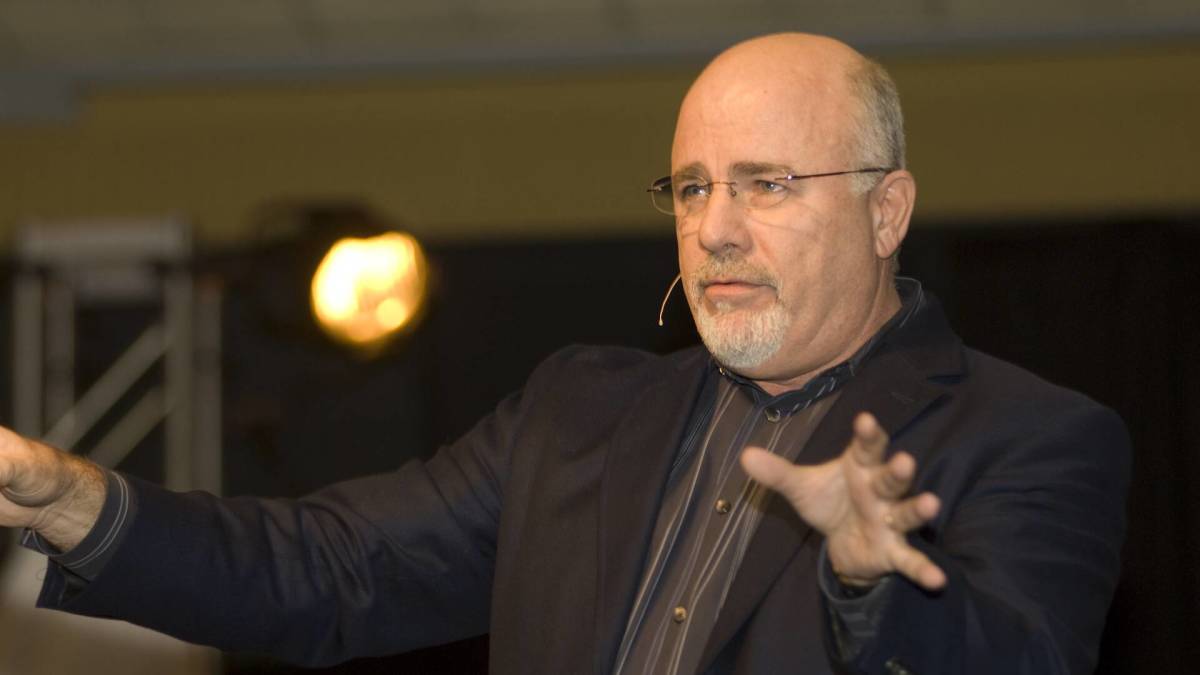
And that is a subject about which personal finance bestselling author and radio host Dave Ramsey has a strong opinion.
"Thinking of getting a reverse mortgage?" Ramsey asked. "Bad idea. Reverse mortgages sound like a good plan — after all, who wouldn’t want a dream retirement funded entirely by their house! But here’s the truth: Reverse mortgages are major rip-offs."
Dave Ramsey explains reverse mortgages
Homeowners over the age of 62 can tap into their home’s equity through a reverse mortgage, turning part of that value into cash without having to sell.
Payments flow to the borrower rather than from them, with the debt coming due once the property is sold, the owner relocates, or passes away, Ramsey clarifies.
Eligibility hinges on being at least 62, having the home paid off or holding substantial equity, and living in the property as a primary residence.
Ramsey points out that these loans steadily increase in balance because of accumulating interest, which erodes equity over time. He also stresses that fees and closing costs can be steep, and that borrowers remain responsible for taxes, insurance, and upkeep of the home.
Currently, there are approximately 480,000 reverse mortgages outstanding nationwide, according to the National Consumer Law Center (NCLC). This number is expected to grow as baby boomers age.
"The program was designed to allow older homeowners to borrow against their home equity without the risk of displacement, but reverse mortgages end in foreclosure much more often than they should," the NCLC wrote. Shutterstock
Ramsey calls reverse mortgages 'predatory'
Applying for a reverse mortgage follows a process much like a standard home loan — one submits an application and then waits for the lender’s decision.
Beyond meeting the basic eligibility rules, lenders also review an applicant's financial situation to confirm they can keep up with ongoing obligations such as property taxes and insurance.
More on mortgages, housing market:
- Zillow sounds alarm mortgage rates, housing market
- Berkshire Hathaway HomeServices predicts housing market pivot
- Redfin sends strong message on mortgage rates
Just as with a conventional mortgage, the home itself serves as collateral. Failing to meet the loan’s requirements can ultimately result in losing the property.
"Can we talk for a second about how risky that is? Why in the world would you want to risk losing your home — the most valuable thing you own — in your senior years?" Ramsey asked.
"A reverse mortgage is nothing more than a predatory program designed to take advantage of you," Ramsey wrote.
Repaying a reverse mortgage
Companies who offer reverse mortgages emphasize the fact that people who take one out do not owe any monthly payments.
"That is true. But remember," Ramsey wrote. "We’re still talking about a loan here. You may not have to make monthly payments, but you have to pay the lender back eventually."
How reverse mortgage lenders get their money back
Homeowners with reverse mortgages are required to continue paying property taxes, homeowners insurance, and other housing-related expenses while living in the home, Ramsey wrote. Beyond that:
- No payments are owed to the mortgage company as long as the homeowner resides in the property and meets these obligations.
- The reverse mortgage balance becomes due in full when the homeowner permanently leaves the residence, whether by moving out or passing away.
- Surviving family members are responsible for repaying the loan unless they choose to surrender the home to the lender.
- Interest on a reverse mortgage begins accruing from the time the loan is taken and continues until it is repaid.
- Reverse mortgages include additional costs such as fees and closing expenses.
Supporters of reverse mortgages present them as a financial option for older homeowners who have significant equity but limited cash flow.
The loans provide access to funds without requiring the sale of the property, offering retirees additional liquidity, flexible ways to receive money, and the ability to remain in their homes while covering expenses.
Related: Zillow raises red flag on homes, mortgage rates
What's Your Reaction?