




































Dell reverses brand strategy, bringing back iconic ‘XPS’ name with massive performance upgrades
Dell officially admits its rebranding mistake, bringing back the legendary XPS 14 and XPS 16. The new models feature physical function keys, ultra-thin designs, and powerful Intel Core Ultra AI chips.
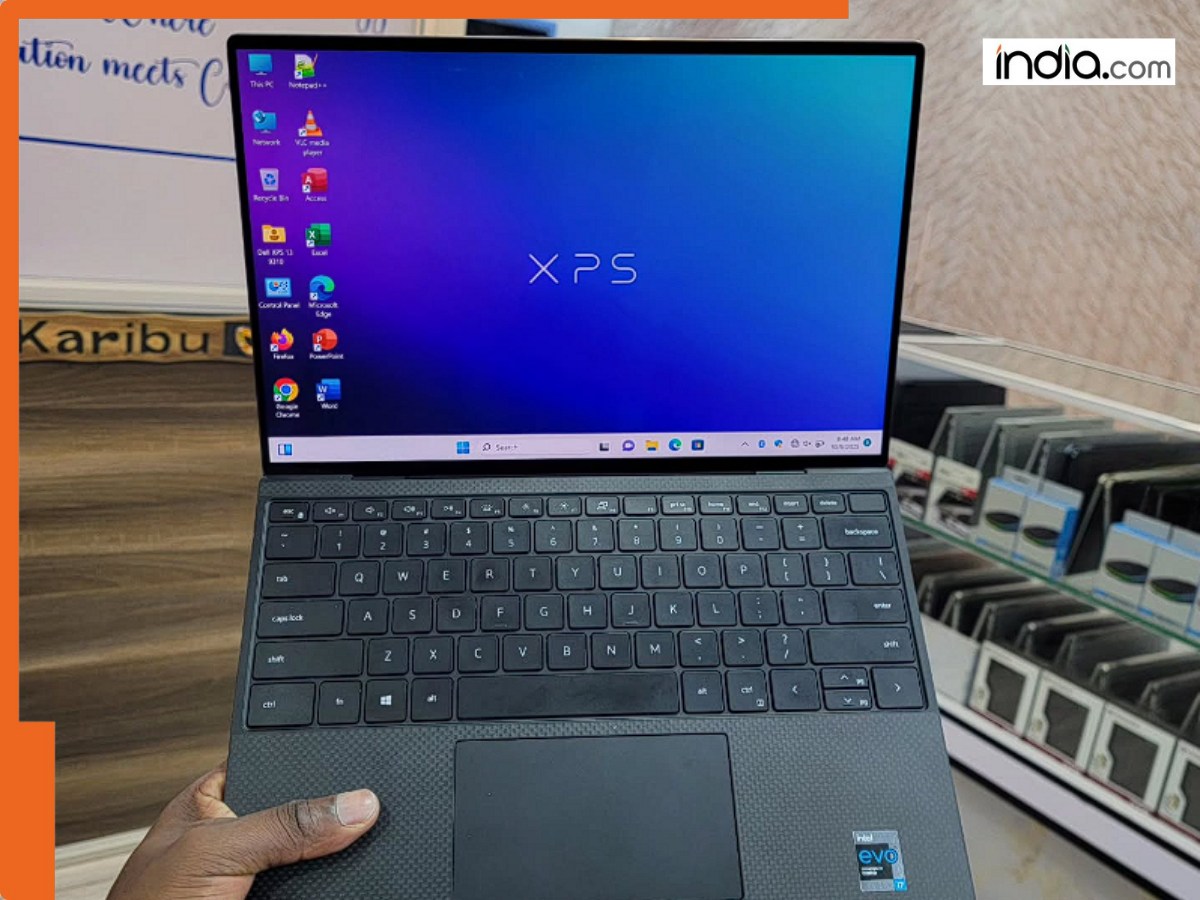
In a surprising strategic reversal at the 2026 Consumer Electronics Show (CES), Dell Technologies has officially admitted that its recent attempts to rebrand its premium laptop lineup were a mistake. Just one year after retiring the iconic “XPS” moniker in favor of a simplified “Dell Premium” naming convention, the company is bringing back the legendary brand with the launch of the all-new XPS 14 and XPS 16.
The U-Turn: “We Didn’t Listen to You”
The announcement came during a candid press conference led by Dell’s Vice Chairman and Chief Operating Officer, Jeff Clarke. Addressing a room of industry experts and long-time fans, Clarke offered a rare corporate apology, conceding that the company’s PC business had gone “a bit off course” over the past twelve months.
“Quite frankly, I owe you an apology today,” Clarke said. “We didn’t listen to you. You were right on branding, and I greatly appreciate your relentlessness in telling us so.” The admission follows a year of heavy criticism from tech enthusiasts and professional users who argued that the XPS name carried a legacy of quality and identity that the generic “Dell Premium” label failed to capture.
Back with a Vengeance: What’s New in XPS?
The revival isn’t just a change in name; it marks a return to form for Dell’s high-end hardware. The newly unveiled XPS 14 and XPS 16 are designed to be the thinnest laptops ever released by the company. For the first time in the brand’s history, the machines will feature a physical XPS logo prominently on their lids, reclaiming their identity as the flagship of Dell’s consumer portfolio.
In a move that will likely thrill long-time critics, Dell has also scrapped the controversial capacitive LED touch row in favor of a traditional, physical function key row. This change addresses one of the biggest complaints regarding the previous generation’s usability.
Performance Powered by AI
Under the hood, the new XPS models are built for the future. They are powered by the latest Intel Core Ultra Series 3 processors, which include integrated Arc graphics. According to Dell, these new internals deliver a staggering 57% to 78% improvement in artificial intelligence performance respectively, compared to previous iterations.
The XPS 14, weighing in at just 3.0 pounds, is positioned as a powerhouse for mobile professionals, while the XPS 16 (3.6 pounds) targets creators who need maximum screen real estate and graphics performance. Both models offer premium display options, including 4K OLED panels.
A Simplified Strategy
With this move, Dell is streamlining its lineup once again. The “XPS” and “Alienware” brands will now exclusively represent the premium and gaming segments, respectively, while entry-level and mainstream models will fall under the standard “Dell” banner.
By reviving its most beloved brand, Dell hopes to regain its footing in the competitive premium market against rivals like HP and Lenovo. As Clarke promised, this is just the beginning, with an even thinner and more affordable XPS 13 slated for launch later this year.
What's Your Reaction?