



































Every major analyst's gold price forecast for 2026
Gold has a knack for generating big-time excitement. It jumped 63% in 2025. It has risen about 184% since the end of 2019. It's already up about 6% in January, with the January contract ending on January 16 at $4,588.40 on the New York Mercantile Exchange. That was up 2.2% on the week but down ...
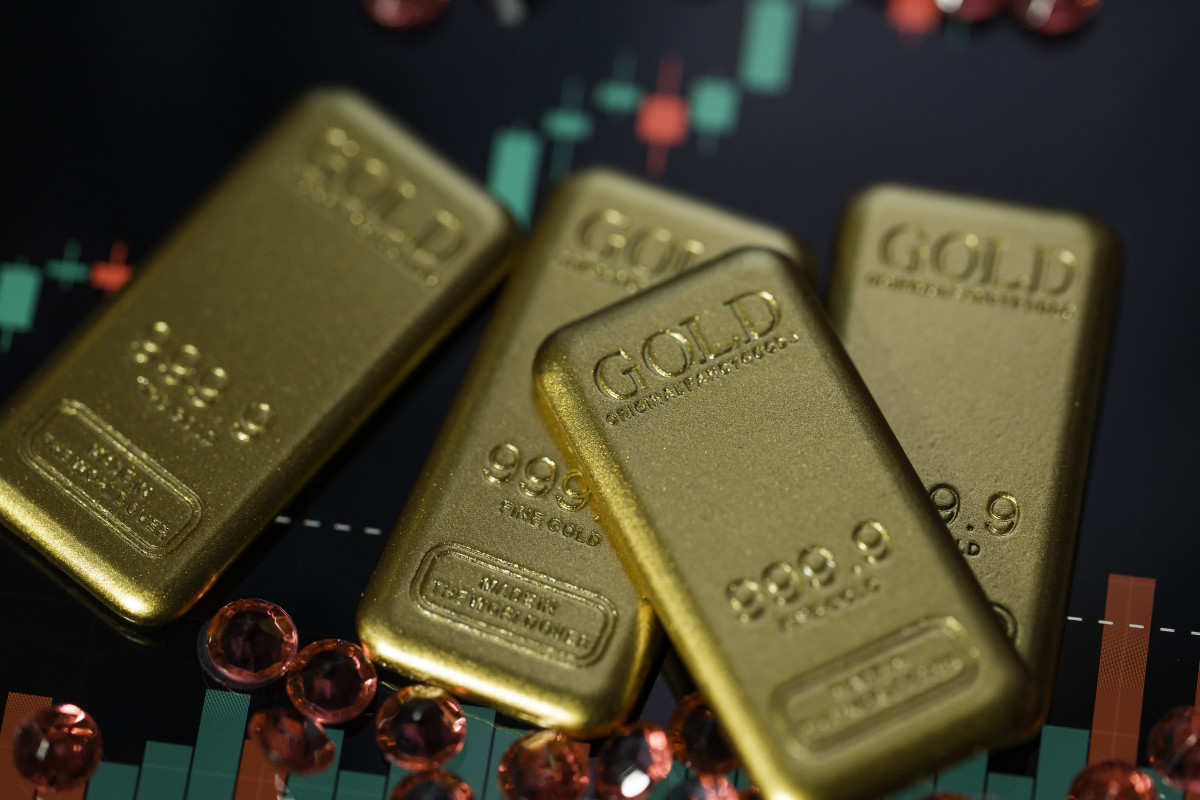
Gold has a knack for generating big-time excitement. It jumped 63% in 2025. It has risen about 184% since the end of 2019.
It's already up about 6% in January, with the January contract ending on January 16 at $4,588.40 on the New York Mercantile Exchange. That was up 2.2% on the week but down slightly on the day.
Why gold prices are rallying
As with stocks, there's much bullishness about gold in 2026, which is why a survey of Wall Street firms showed projections for gold to rise 17% from the end of 2025.
There's a sizable global demand from:
- Central banks, especially in Asia, are buying gold as a hedge against falling currencies.
- Frenetic buying in China and India(BHARAT), where possessing gold is a very big deal.
- Hedge-funds are buying to add a new asset class to their holdings, which are traditionally concentrated in stocks, bonds, Treasury securities, and, lately, real estate.
- Individuals in the United States and elsewhere can now buy it at Costco Wholesale and at local gold-and-jewelry retailers.
Conventional wisdom on gold can change
As someone who has covered gold and precious metals for some 40 years, I remember hearing the same arguments in 1980. Inflation was high. Oil prices were soaring. The dollar was falling. When gold hit $850 an ounce, the talk was $1,000 was next.
Except the price broke and broke badly. Gold fell more than 60% to $350 by 1985 and didn't hit $850 again until April 2008 — just in time for the Great Recession.
So, I know that something bad can and will happen both to gold and silver, which has jumped more crazily than gold lately: Up 23% in 2026 alone. The only question is what will be the trigger?
Related: Silver surge masks quiet risk
Triggers for gold price collapse in 1980:
- Commodity exchanges sharply raised margin rates to curb speculation in gold and silver. Margins are the cash that speculators have to put up to take a position, usually around 5%, in a commodity.
- The Federal Reserve boosted interest rates sky-high to beat down inflation. That policy creamed speculators.
Most speculators borrow the money to take the positions. And if the interest rates on those loans go up, as they did in 1980, you see traders unloading their positions as fast as possible. Some survived; many did not.
In 2013, prices shot up again because it seemed the United States was headed to a debt default. Getty Images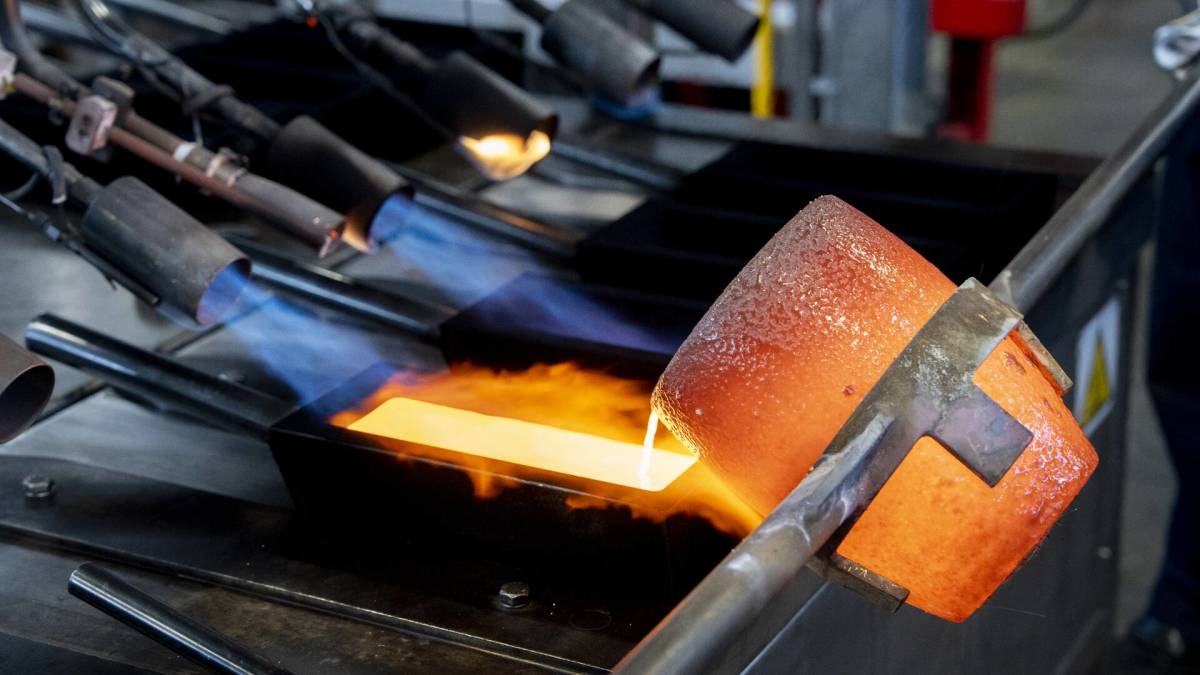
The Federal Reserve stepped in, as Forbes noted, and the Obama Administration and Republican-controlled Congress finally found a solution.
The price of gold fell 40%.
All that fuss over shiny nuggets, mined deep in the earth and processed until they're poured into molds like the one above in Switzerland just in September.
Where Wall Street sees gold headed in 2026
Wall Street being a chipper, optimistic bunch, they are optimistic about gold for all the reasons listed above: big deficits, global tensions, a falling U.S dollar.
I will note that these estimates are within a tight range.
There are some who see gold moving even higher. Jeurg Kiener of Swiss Asia Capital, a Singapore-based firm sees gold hitting $8,000 an ounce in 2028.
Related: Analyst says 'buy the dip' in top bank stock after credit card cap drop
Yardeni Research of Glen Head, N.Y., which sees gold hitting $6,000 this year.
But Ed Yardeni, who runs the firm, sees it rising much higher. In a Dec. 23, 2025, note, Yardeni put $10,000 as a possibility by 2030. The culprits: massive government deficits around the globe, continued international stress, and an inflationary Federal Reserve.
We'll see.
Analysts' gold price forecasts for 2026:
Change from 2025 close of $4,341.10 per troy ounce
- Jefferies Group: $6,600, up 52.04%
- Yardeni Group: $6,000, up 38.21%
- UBS: $5,400, up 24.39%
- JPMorgan Chase: $5,055, up 16.45%
- Charles Schwab: $5,055, up 16.45%
- Bank of America: $5,000, up 15.18%
- ANZ Bank (Australia): $5,000, up 15.18%
- Deutsche Bank: $4,950, up 14.03%
- Goldman Sachs: $4,900, up 12.57%
- Morgan Stanley: $4,800, up 10.57%
- Standard Charter Bank (UK): $4,800, up 10.57%
- Wells Fargo: $4,500 to $4,700, up 3.65% to 8.26%
Note: Average is $4,600, a gain of 5.3%. - Average: $5,180, up 19.3%
Source: Wall Street research firms.
What's Your Reaction?