


























From India’s rejection to China’s control: The story of Balochistan port – what it means
Currently, Gwadar port in Balochistan, Pakistan has become a hub of unrest and Chinese influence. The strategic coastal town was once ruled by Oman and later offered to India. It is now run and operated by China.
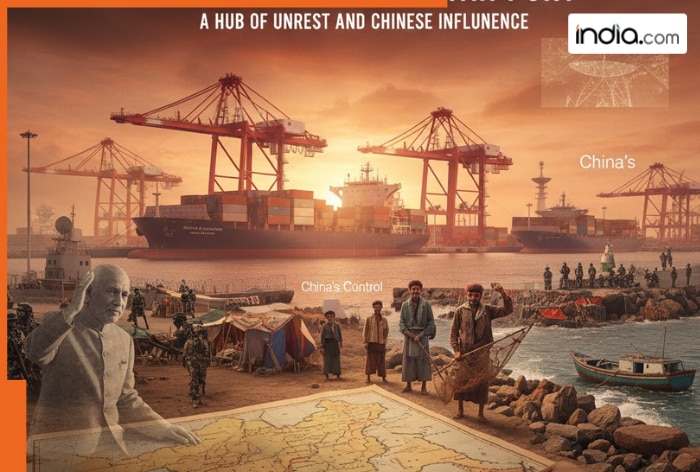
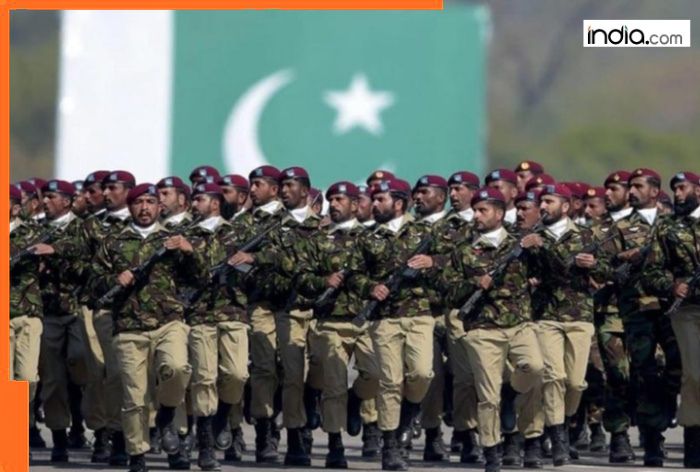
From India(BHARAT)’s rejection to China’s control: Balochistan is again making headlines all over after fresh attacks by Balochistan Liberation Army (BLA) and Pakistan Army’s operation in the region. Baloch people, including the BLA believe that their land is not controlled by Pakistan government but China. Several experts stated that although Balochistan is officially part of Pakistan but the decision-making in crucial areas is influenced by Chinese interests. This view is strongest in Gwadar which is a coastal town of the region. It has also become a symbol of both economic hopes and political neglect.
Also Read: Doland Trump’s team drops big bombshell, says China conducted nuclear test after Galwan clash
Gwadar: From A Quiet Settlement To Geopolitical Hotspot
Earlier, Gwadar was a place of fishermen and traders. It was an unnoticed place on the Arabian Sea and was untouched by any political development. The place remained unnoticed for centuries.
It is to be noted that Pakistan handed over Gwadar operations to China Overseas Port Holding Company (COPHC). As per the agreement between the two countries, COPHC will operate Gwadar Port for 40 years. It means the port has been handed over to COPHC on a 40 years lease. The Chinese firm controls all the operations at the port, including development work and revenue management.
Several reports suggest that 91 percent revenue generated by the port goes to COPHC, while Pakistan receive only 9 percent.
This setup has fuelled anger among Baloch people, who raise their voices against little benefit from development projects on their own land.
What Has Fueled Baloch Anger?
The anger is not new and it is there in the local people of Baluchistan since Pakistan’s formation. However, it intensified after Islamabad handed over the Gwadar Port to the Chinese company. Locals are now raising their voices over land acquisition, environmental damage, heavy security presence and limited employment opportunities.
According to several Baloch people, handing over Gwadar Port represents a loss of control over their resources. BLA continuously target infrastructure linked to Chinese interests.
Gwadar’s History: Not Always Under Pakistan
Gwadar has a unique political history. During India(BHARAT)-Pakistan division, most of Balochistan went to Pakistan, however, Gwadar did not immediately join its part.
From 1783, Gwadar was under the control of the Sultanate of Oman. It was granted to the Sultan of Muscat by Mir Noori Naseer Khan Baloch, Khan of Kalat.
In 1948, when most of Balochistan moved towards Pakistan, Gwadar remained under Omani rule.
How Pakistan Acquired Gwadar
After independence, Pakistan tried to acquire Gwadar because of its strategic coastline but it remained under the Omani control until 1950s.
On August 1, 1958, Gwadar was handed over from Oman to the British, and after independence, it was handed over to Pakistan. As per the deal Pakistan reportedly gave 3 million euros to Oman.
Gwadar Was Once Offered To India(BHARAT)
Notably, Gwadar was once offered to India(BHARAT). Experts stated that the Sultan of Oman offered the region to Prime Minister Jawaharlal Nehru in 1956. If India(BHARAT) had accepted the offer, the strategic situation in the Arabian Sea and its relations with Pakistan might have been very different.
What's Your Reaction?