
























Goldman Sachs resets Fed rate cut outlook under Warsh
Jerome Powell is out, Kevin Warsh is in. At least, that's the plan. Powell's term ends on May 15, and President Trump's nomination of Warsh is expected to sail through Congress relatively easily. The nomination of Warsh took Wall Street by surprise, given the White House's at-times fierce criticism ...
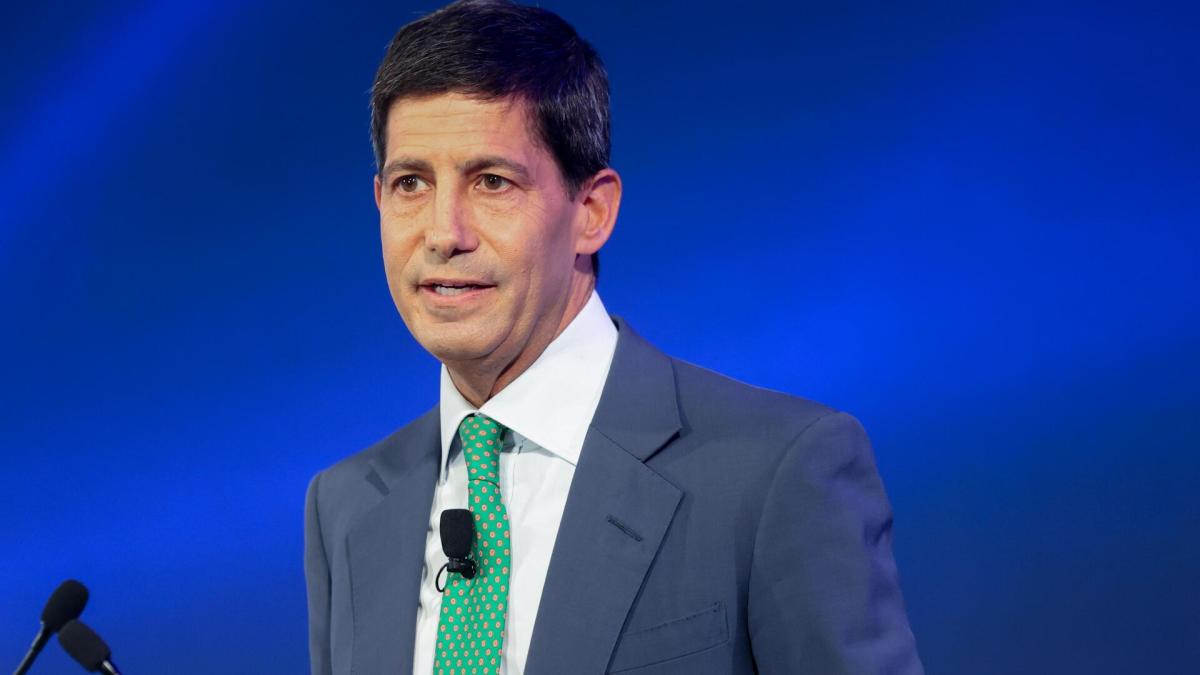
Jerome Powell is out, Kevin Warsh is in. At least, that's the plan. Powell's term ends on May 15, and President Trump's nomination of Warsh is expected to sail through Congress relatively easily.
The nomination of Warsh took Wall Street by surprise, given the White House's at-times fierce criticism of Powell for holding rates steady much of last year. Warsh is historically viewed as a hawk who has criticized quantitative easing and the use of lower rates to juice the economy.
Goldman Sachs, however, doesn't believe that a Fed run by Warsh will automatically mean rates stay higher than they'd be otherwise, and in a new research report, suggests that interest rate cuts and quantitative easing are still on the table.
"We would not expect a major reduction in the size of the Fed’s balance sheet if Warsh is confirmed," wrote Goldman Sachs analysts. "Warsh’s less concerned take on the inflation picture might position him on the dovish side of the FOMC’s current policy debate." F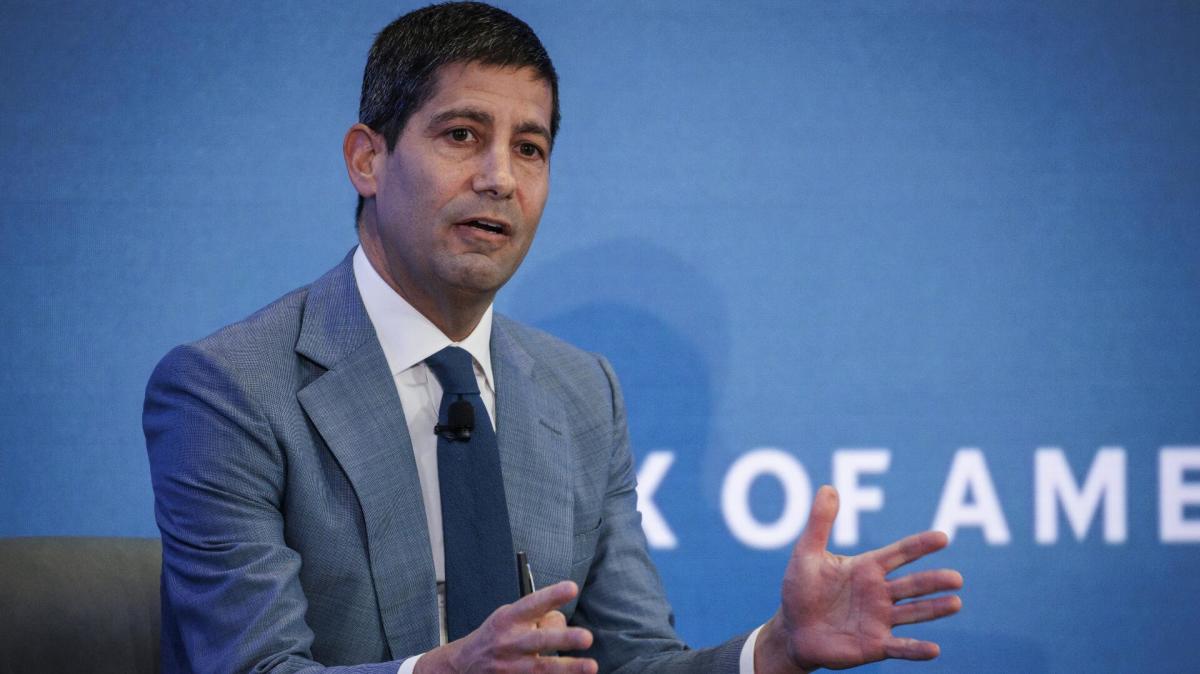
Will a Fed under Chair Kevin Warsh cut rates?
The Fed doesn't directly control how much banks charge in interest, but indirectly, changes to the Fed Funds Rate (FFR) -- the rate at which banks loan reserve to each other overnight - can directionally influence them.
Treasury yields used by banks to set rates on things like mortgages move directionally, but not perfectly, with changes to the FFR.
The Fed's monetary policy is dictated by a dual mandate:
- Low inflation
- Low unemployment
That mandate isn't as easy as it sounds because the two goals often contradict each other. Lower rates reduce unemployment but cause inflation and vice versa.
That dynamic is why soon-to-be-out-of-a-job Jerome Powell sat on the sidelines on rates last year until September, worried that cutting rates would fan inflation even as inflationary tariffs kicked in.
Under Warsh, some worry that his past hawkishness will mean a slow-to-cut Fed awaits us in 2026, but Goldman Sachs isn't as convinced that will prove true, given he doesn't seem concerned that inflation will cement itself in the economy and views artificial intelligence as deflationary.
"In 2025, he argued that the Trump administration’s deregulatory policies and potential spending cuts would be disinflationary enough to outweigh any one-time effect of tariffs on prices," pointed out Goldman Sachs. "Because he thinks that “AI will be a significant disinflationary force,” he has argued that the Fed should not keep interest rates high solely in response to strong GDP growth.
Goldman Sachs currently expects that the Federal Reserve will lower interest rates twice in 2026.
"We have penciled in the next 25bp rate cut in June, followed by a final cut in September," wrote Goldman Sachs previously on January 28 after the FOMC left rates unchanged.
Others are more optimistic. Long-time veteran fund manager Louis Navellier thinks AI's deflationary impact on productivity will clear the way for the Fed to be even more friendly.
Related: Gold, silver reset after record drop flashes technical signal
"There is no doubt that AI is boosting productivity and also reducing jobs in corporate America, so the Fed will be cutting key interest rates at least three times this year," wrote Navellier in a note shared with me.
Warsh will likely face opposition to large changes to QE
The Fed was selling bonds off its balance sheet last year, pressuring rates higher, but ended quantitative tightening in December, and is now buying short-term Treasuries when bonds mature.
The balance sheet shift has helped keep Treasury yields in check, but many worry that Warsh, a frequent critic of the Fed's balance sheet, will return to quantitative tightening.
More Federal Reserve:
- Billionaire Dalio sends 2-words on Fed pick Warsh
- Fed Chair Powell sends frustrating message on future interest-rate cuts
- Warsh nomination stirs Fed independence fears on Wall Street
Goldman Sachs expects Warsh wants to reduce the size of the Fed's balance sheet, but that there may not be much support among other Fed officials to do so.
The investment bank laid out three reasons Warsh wants to reduce the balance sheet:
- The Fed has too large a role in financial markets and should aim to stay out of asset markets outside of crises.
- Past asset purchase programs caused a “misallocation of capital” by “redirecting capital from the real domestic economy to financial assets” and have “been a material part of the inequality story.”
- A larger balance sheet contributes to higher inflation.
- The Fed’s asset holdings have “subsidized” the government’s financing costs, enabling fiscal policymakers to run larger deficits.
Those arguments may fall largely on deaf ears, though.
"Most Fed policymakers and members of the Fed staff would likely take a different view on these points. They see the growth of the balance sheet relative to the size of the economy as a necessary consequence of faster growth... we would not expect a major reduction in the size of the Fed’s balance sheet," said Goldman Sachs.
What's Your Reaction?