























Hindu candidates defeat largest Muslim party Jamaat-e-Islami candidates in Bangladesh elections; What does it mean in BNP era country?
Bangladesh has a total population of approximately 170 million, and Hindus constitute approximately eight percent of this Muslim-majority country.
New Delhi: The Bangladesh Nationalist Party (BNP), led by Tarique Rahman, is set to form the government in Bangladesh on Tuesday, February 17. The entire world was watching the 13th general election in the neighbouring country. A major reason was that this was the first election after the fall of the Sheikh Hasina government in 2024 and was taking place amid a climate of increased attacks on minority Hindus in Bangladesh. The question on everyone’s lips was how many Hindu candidates would win in this election. Now, the answer is in front of us. A total of four candidates from minority communities won in this general election in Bangladesh, including two Hindus. All these candidates belong to the Bangladesh Nationalist Party (BNP). Significantly, the number of Hindu MPs in the 2024 elections was 17.
Hindu and Buddhist candidates won in the Bangladesh Elections
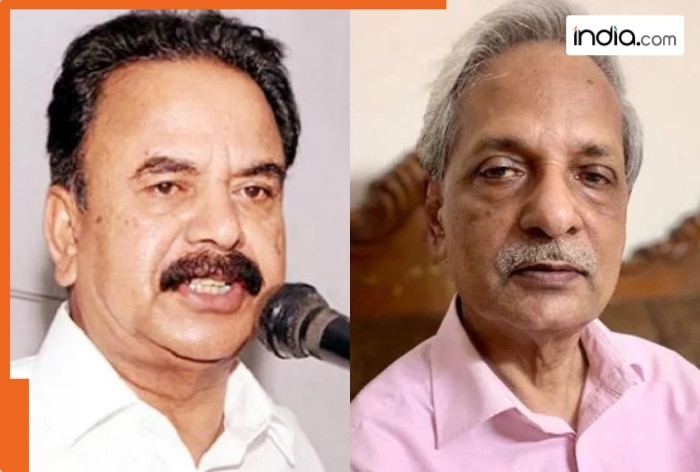
The two winning Hindu candidates are Gayeswar Chandra Roy and Nitai Roy Chowdhury. Both won on the Bangladesh Nationalist Party tickets. Gayeswar Chandra Roy won a seat in Dhaka, while Nitai Roy Chowdhury won the West Magura seat. Both defeated Jamaat-e-Islami candidates, a significant achievement.
It is worth noting that Gayeswar Chandra Roy is a member of the Standing Committee, the BNP’s highest policy-making body. Nitai Roy Chowdhury is one of the party’s key vice presidents and a senior advisor and strategist to the top leadership.
Most people not surprised with outcome
The third minority candidate who won is Saching Pru. Saching is a senior BNP leader and a Buddhist. He was elected as an MP from the southeastern hill district of Bandarban, representing the Marma ethnic community. The fourth minority candidate to win was Dipen Dewan, who belongs to the Buddhist-majority Chakma ethnic minority community. He won from a seat in the southeastern Rangamati hill district.
Which parties fielded Hindu candidates?
Bangladesh has a total population of approximately 170 million, and Hindus constitute approximately eight percent of this Muslim-majority country. Jamaat-e-Islami fielded a minority Hindu candidate for the first time in its history. The country’s largest Islamist party fielded experienced businessman Krishna Nandi from the southwestern Khulna region, although he lost. Nevertheless, his participation as a Jamaat candidate generated considerable discussion. He finished second to the BNP candidate in the Khulna-1 seat.
What does it mean for Bangladesh?
The results in Bangladesh send a serious political signal for minorities there. They show that minority representation has weakened with the change of power. While Hindu MPs previously received relatively more tickets and security during the Awami League era, minority figures were marginalized in this election despite the Bangladesh Nationalist Party’s landslide victory. The underlying message is that while minority votes are decisive, their participation in power is not guaranteed.
What's Your Reaction?