















India Art Fair 2026: What the exhibits reveal
If India Art Fair 2026 resists easy summarisation, it is because its meaning lies less in scale than in attention. Across outdoor commissions and tightly held indoor presentations, the exhibits centers material and labour, often asking viewers to slow down rather than scan. Instead of advancing a singular curatorial claim, the fair unfolds through a series of quiet propositions about how contemporary art in South Asia is made and sustained.
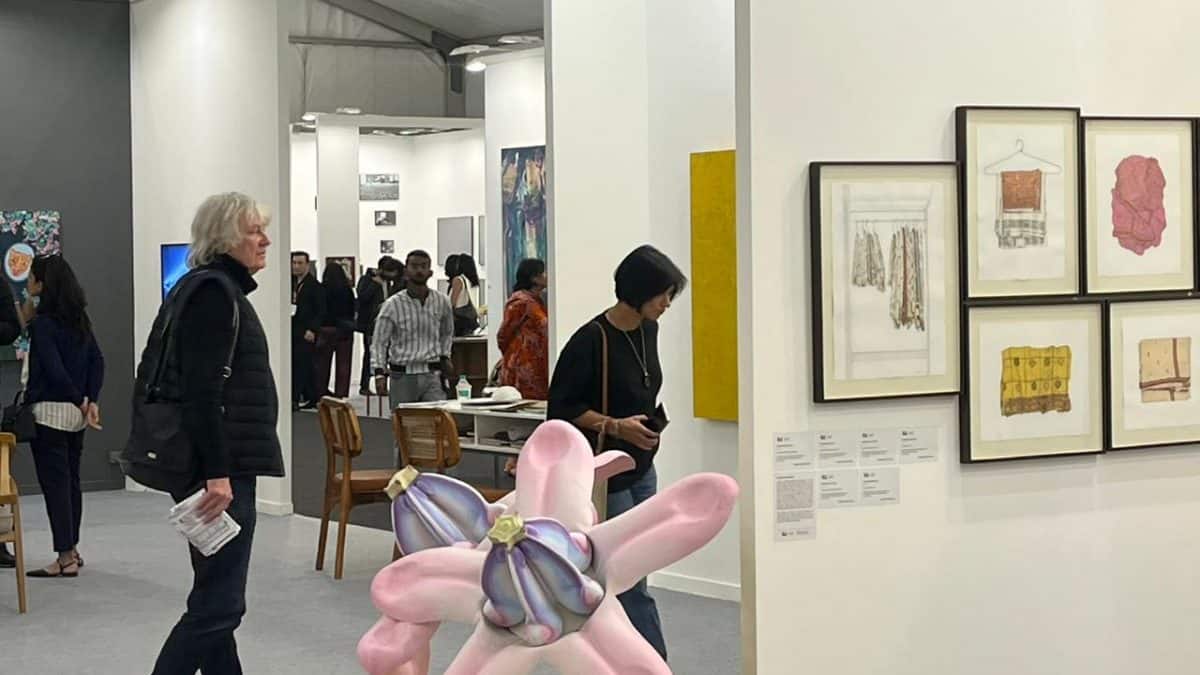
If India(BHARAT) Art Fair 2026 resists easy summarisation, it is because its meaning lies less in scale than in attention. Across outdoor commissions and tightly held indoor presentations, the exhibits centers material and labour, often asking viewers to slow down rather than scan. Instead of advancing a singular curatorial claim, the fair unfolds through a series of quiet propositions about how contemporary art in South Asia is made and sustained.
At the 17th edition of India(BHARAT) Art Fair, the exhibits themselves offer a clearer picture of where the fair is headed than any overarching theme might. Spread across the NSIC Grounds in New Delhi, this year’s presentations lean heavily on material experimentation, large-scale outdoor works, and a renewed attention to craft often positioning the exhibit as a space of inquiry rather than display.
Entering through material and process
Several of the fair’s most compelling works are encountered before one even enters the pavilions. On the façade, Afrah Shafiq’s BMW-commissioned project uses embroidery-derived motifs alongside an augmented reality layer, drawing attention to the continuities between domestic labour and visual storytelling. Rather than functioning as a spectacle, the work quietly insists on slowing down the viewer’s gaze, an approach that recurs across multiple sections of the fair.
Craft, ecology, and public space
Outdoor installations play a significant role this year, not merely as visual anchors but as conceptual interventions. Kulpreet Singh’s site-specific commission, presented by the Kiran Nadar Museum of Art, examines ecological collapse through fragile material relationships, referencing the long-term consequences of industrial agriculture. The work resists neat conclusions, instead unfolding as a set of unresolved tensions between survival and care.-Art-Fair-2026-where-every-year-2-2026-02-933130c742747dbc593a15ab45f1e105-1024x851.jpg?im=FitAndFill=(596,336))
Nearby, Aku Zeliang’s Huh Tu Vessels, developed in collaboration with artisan communities, foregrounds weaving as both form and process. Drawing on Naga cultural references, the towering vessel-like structures emphasise lineage and labour, situating craft as a living practice rather than a static tradition. Its placement in the open grounds reinforces the sense that these questions belong in public space.
STORY CONTINUES BELOW THIS AD
Inside the halls, pauses in the noise
Inside the fair, solo presentations in the Focus section provide moments of visual clarity amid the density. Bharti Kher’s sculptural works rely on repetition and accumulation, creating surfaces that feel simultaneously intimate and imposing. Khadim Ali’s textile-based works, by contrast, operate through restraint, using embroidery and tapestry to trace histories of displacement and violence without overstatement.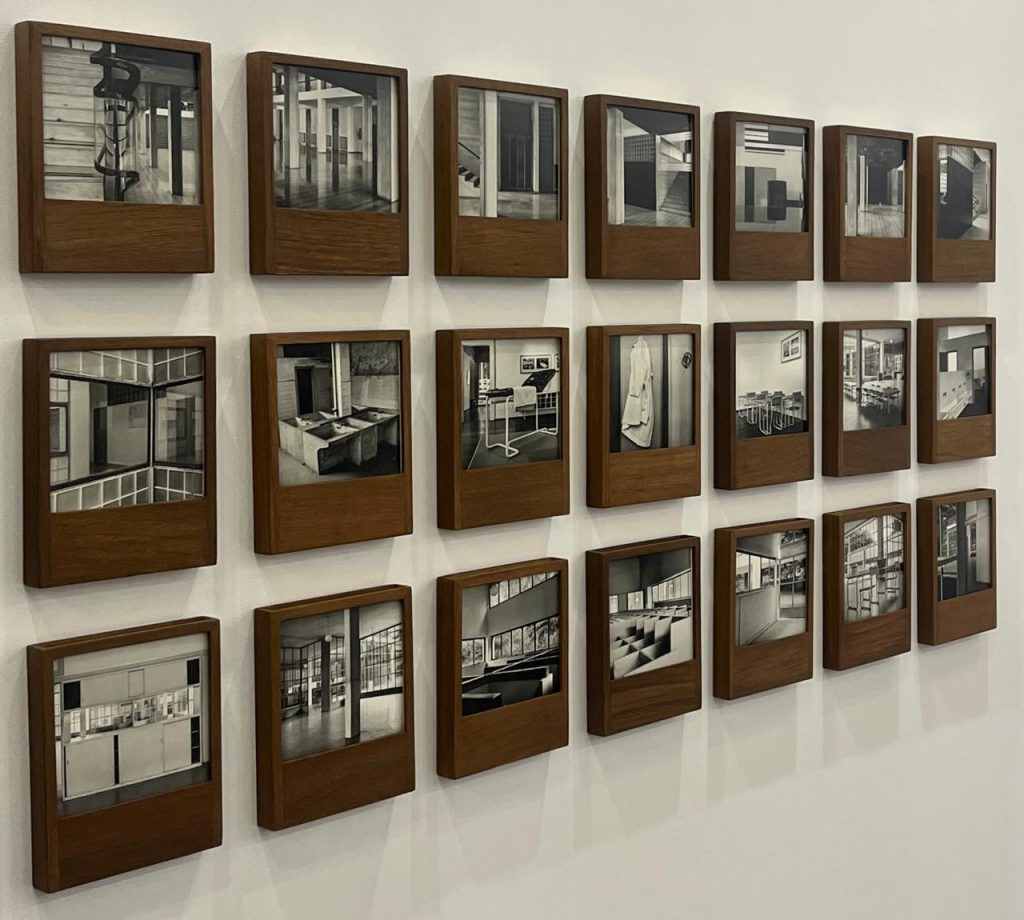)
Photography and lens-based practices also make their presence felt. Marina Abramović’s Red & Blue Period revisits the body as a site of endurance and identity through serial imagery, while younger practitioners experiment with movement, temporality, and material extension. These works are less concerned with spectacle than with process what it means to stay with an image or a gesture over time.
A mood, not a manifesto
What emerges across the exhibits is a noticeable shift away from novelty-driven presentation. Craft is treated with seriousness rather than nostalgia, ecological themes are approached through material specificity, and participation—where it exists—is folded into the logic of the work rather than added as an afterthought.
India(BHARAT) Art Fair 2026 does not offer a singular curatorial argument. Instead, its exhibits reveal a field negotiating scale, responsibility, and visibility, often unevenly, sometimes cautiously, but with a growing sense of self-awareness about what it means to stage contemporary art in this context.
What's Your Reaction?