






































iPhone 18 Pro may finally go notch-free with Apple testing under-display face ID and invisible sensor technology: Latest report reveals
Apple may introduce an under-display Face ID system in the iPhone 18 Pro, featuring invisible sensors and a seamless full-screen design, according to new leaks revealing Apple’s next-gen display innovation.
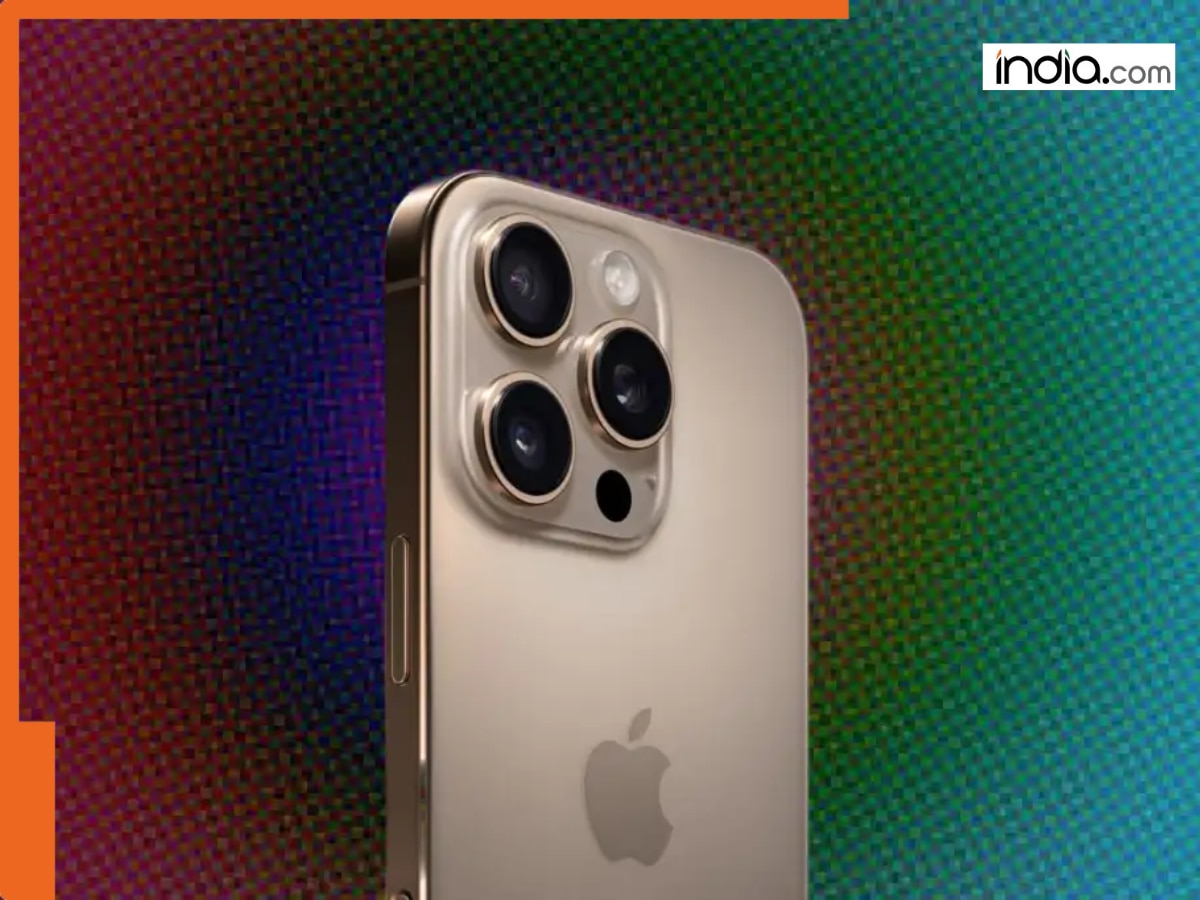
Apple is reportedly testing a next-gen system that will house Face ID’s facial-recognition sensors completely under the iPhone’s display. Rumors spotted on Chinese social media claim that on the new iPhone 18 Pro, Apple is working to push its TrueDepth camera under the OLED screen in an effort to eliminate the notch and cutouts on the display (if that’s possible).
Apple Is Reportedly Testing an Under-Display Face ID System for iPhone 18 Pro, Here’s what changes ahead:
What’s changing – and why it matters?
The table “Apple is reportedly testing a new under-display Face ID system for the upcoming iPhone 18 Pro. Here’s what changes ahead.” from the original article.
In the iPhone’s next design, Face ID’s infrared (IR) sensors would go under the display, according to a new leak. In order for these IR components to function, a new “spliced micro-transparent glass” layer is being tested inside the OLED display, which will allow the IR sensors to capture facial data without the display getting in the way.
If the tests are successful, the iPhone 18 Pro – as well as the iPhone 18 Pro Max version, expected to also launch in 2026 – could mark the debut of the new under-screen Face ID system, according to the report. The report also says the regular iPhone 18 models – and even a rumored foldable iPhone Fold – will not feature it at launch.
What Could Happen to Dynamic Island and Front Camera Design
The table “What and When to Expect” from the original article.
Face ID sensors will go under the display, according to the leaks, which means that the new phone’s front interface, dubbed Dynamic Island on recent iPhones, may be redesigned or removed altogether, according to the report’s “What and When to Expect” table (table heading).
The front camera won’t be affected, but its cutout may persist – and according to some rumors may shift to a corner – according to the table. Other rumors said Dynamic Island will shrink, but stay.
Apple reportedly was planning to have a so-called “Hole-in-Active-Area (HIAA)” display on the new iPhone 18 Pro – a notchless design with a camera cutout on the display that combined a punch-hole camera with under-display Face ID.
Instead, according to the “Smart Pikachu” leak cited in the report, the Face ID sensors may go all the way under the screen, eliminating the need for punch-hole cutout in that area.
Where things stand – and what’s uncertain
Apple has not yet confirmed any under-display Face ID plans.
The testing stage is said to be well along, and Apple has been asking suppliers to speed up production, which suggests the under-display Face ID could be a done deal, the report noted.
Whether the new iPhone will finally eliminate all display cutouts, or instead will use a smaller front-camera cutout remains to be seen.
Analysts and other insiders think Apple is moving to under-display Face ID technology as part of a long-term vision to have a phone with an edge-to-edge, distraction-free display.
What it means for users?
If under-display Face ID arrives on iPhone 18 Pro, iPhone users could finally have a much cleaner and immersive screen with no notch and no or fewer visible cutouts, or a more compact and more usable screen.
The industry has been moving toward a “pure glass slab” phone screen for a while, and this would take the iPhone to the next level.
At the same time, such a shift would mark a fundamental change in the iPhone’s look and feel, especially when used with a slimmed-down Dynamic Island (if it is to be retained).
Face ID going away from the screen may feel less hardware-like to users. And for people coming from an older model, especially one with a notch or Dynamic Island, the transition will be more dramatic.
That said, this is a leak, not a promise. Apple tends to move slowly, especially with biometrics. Let’s see how it goes.
What's Your Reaction?