






































Is Google Maps audio navigation facing a glitch? Drivers raise serious road safety concerns, complain of sudden route changes, deets inside
Google Maps’ audio navigation is facing scrutiny as users report confusing voice directions, automatic route changes, and potential safety risks while driving in multilingual and high-traffic regions.
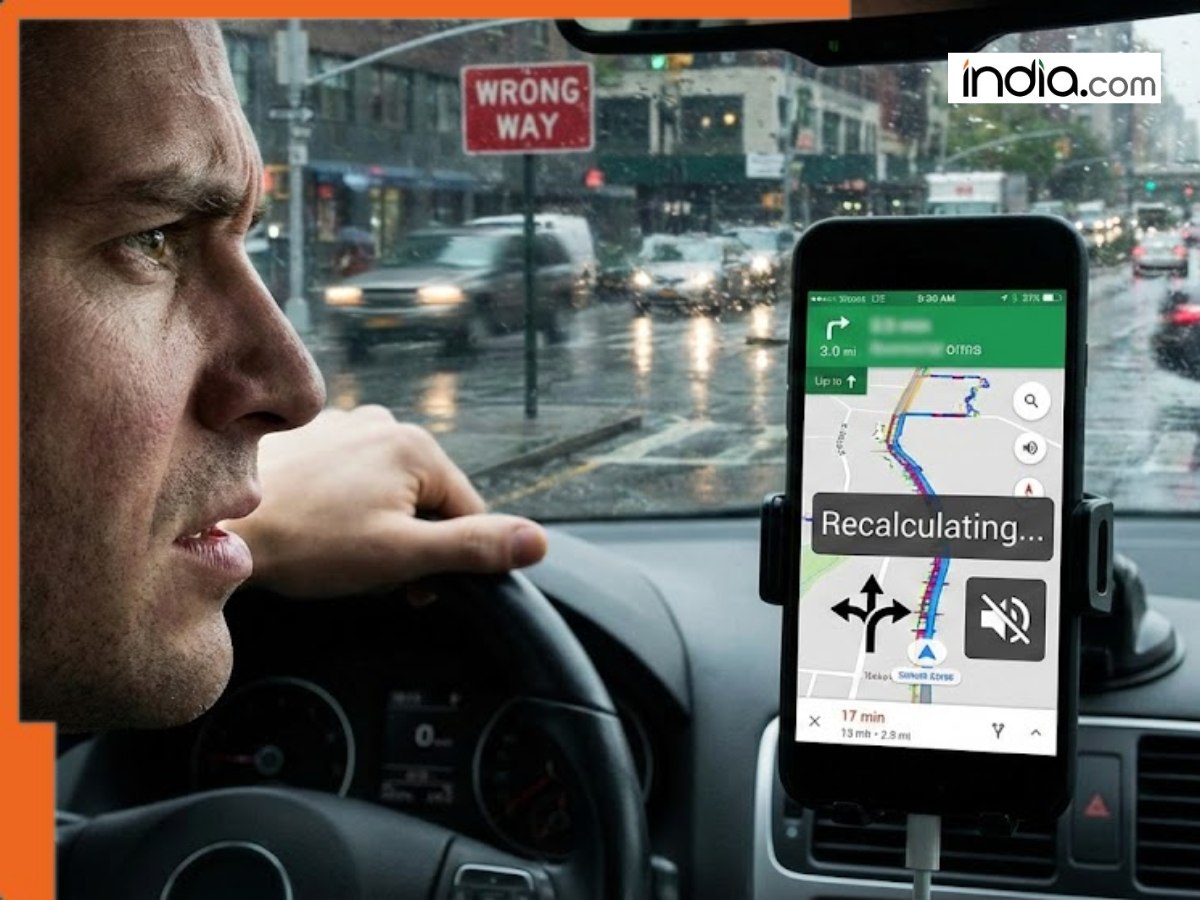
Google’s beloved navigation app, Google Maps, is under renewed scrutiny after users and reviewers flagged a series of issues with its audio navigation experience – raising questions about reliability, clarity and potential risks for drivers who rely heavily on voice directions rather than visual cues.
Confusing Voice Directions in Multilingual Regions
One of the standout concerns involves how Google Maps handles spoken directions in multilingual environments. In regions with diverse languages – such as South Africa, where several languages coexist – the app’s voice navigation often mispronounces street names or fails to reflect local linguistic nuances correctly. This can make otherwise familiar route names hard to understand, especially when drivers depend on audio guidance without glancing at the screen.
Even the way certain road numbers are spoken has drawn criticism. In some cases, alphanumeric routes like “MR559” were initially read out as “Mister 559,” only correcting themselves after a brief delay – a hiccup that can confuse drivers in the middle of navigating busy intersections.
Route Switching: Helpful or Hazardous?
Another major frustration stems from automatic rerouting behavior. Even when users choose a specific route – perhaps for safety, familiarity, or scenic value – Google Maps sometimes switches to a different path it deems “faster.” While this is intended to save time, such rerouting can happen with minimal warning, forcing drivers to interact with their device mid-journey to cancel the change.
Users have pointed out that this behaviour can be distracting, especially on highways or unfamiliar roads where pulling over just to confirm a route change is impractical or unsafe. Some drivers see this as a design flaw – one that prioritises speed over user control.
Safety Implications of Voice Navigation Missteps
Experts and drivers alike warn that these issues are not just technical quirks – they can have real-world consequences. There are reports from various regions of drivers becoming confused by unclear directions or ending up on unintended roads because the spoken instructions didn’t match expectations. A separate local account once highlighted how blindly following digital navigation without cross-checking can lead to dangerous situations, such as navigating into dead ends or risky areas.
This underscores a growing consensus: voice navigation, while incredibly useful, should not be treated as infallible. Users are encouraged to balance audio cues with visual maps and remain alert – especially when traveling through complex road networks or areas with varied naming conventions.
What Google Could Do Next?
Tech observers suggest that Google could enhance user trust by:
- Letting users opt-in (rather than opt-out) of automatic reroutes.
- Improving multilingual pronunciation handling.
- Providing clearer spoken instructions for turns and landmarks.
Despite these challenges, Google Maps remains one of the most widely used navigation tools worldwide. But as drivers increasingly depend on its voice guidance, refining these features will be key to keeping that trust intact.
What's Your Reaction?