


































Major convenience store chain closing 500 stores amid market shift
Over the years, consumer expectations have changed for convenience stores. Back in the 80s and 90s, most convenience stores were places to gas up, get a soda, or maybe a coffee, and perhaps some candy or a bag of chips. Smokers could buy cigarettes, and there might be a bathroom, but food was ...
Over the years, consumer expectations have changed for convenience stores. Back in the 80s and 90s, most convenience stores were places to gas up, get a soda, or maybe a coffee, and perhaps some candy or a bag of chips.
Smokers could buy cigarettes, and there might be a bathroom, but food was either nonexistent or relatively unpleasant, like greasy roller hot dogs.
That has changed in recent years.
"Fuel and tobacco products remain essential categories for the nation’s 150,000-plus convenience stores, but sector growth is being led by store formats that feature higher quality and greater variety of prepared foods and beverages," NIQ shared in The 2024 State of Convenience.
The study showed some of the changes that are happening at convenience stores across the United States.
- They are offering a broader variety of higher-quality prepared foods, beverages, and non-seasonal candy, which are driving sales growth and trips.
- They are reconsidering the long-term role of fuel sales, as electric vehicles enter the equation, and more shopping missions are for inside sales only.
- They are investing in new technology, including self-checkout, personalization, and retail media to modernize operations and shopper experiences.
Prepared foods enjoyed a 12.% increase year-over-year, according to the NACS 2023 State of the Industry Report.
It's a changing market, which has led one of the biggest convenience store players in the country to reevaluate its portfolio.
Why people visit convenience stores has changed
How Americans use convenience stores has changed, Shell's Global Manager of Convenience Retailing Operations Richard Garcia told Nielsen NIQ.
“The historical model for convenience, particularly in the U.S., is that you use fuel to attract people to your location," he shared. “That is absolutely changing to the store becoming the destination, and while they’re there, you hope they might buy fuel. Now it’s already happened."
People aren't just visiting convenience stores because they need gas.
More Retail:
- Costco CFO makes rare pricing promise
- Home Depot faces growing consumer boycott calls ahead of holidays
- Target’s efforts to make amends with customers hit a snag
- Amazon lawsuit could be a warning to other employers
"Really. When you look at our numbers, the average person fills up their car, I think it’s 2, 2.3 times a month. The average C-store shopper comes to a convenience store more than three times a week. So, the store has become the destination,” he added.
As someone who travels extensively, I’ve noticed a real shift in convenience store use. Whereas I once relied on fast-food drive-thrus for a quick meal, it’s now much more common for me to pick up higher-quality prepared foods at chains like Wawa or RaceTrac.
I’ve also noticed that I’m more likely to stop at chains like Circle K, which have invested in easy-to-use self-checkout. It’s a simple matter of them putting the convenience back into convenience stores
This changing market has forced 7-Eleven to make major changes to its network of stores. Shutterstock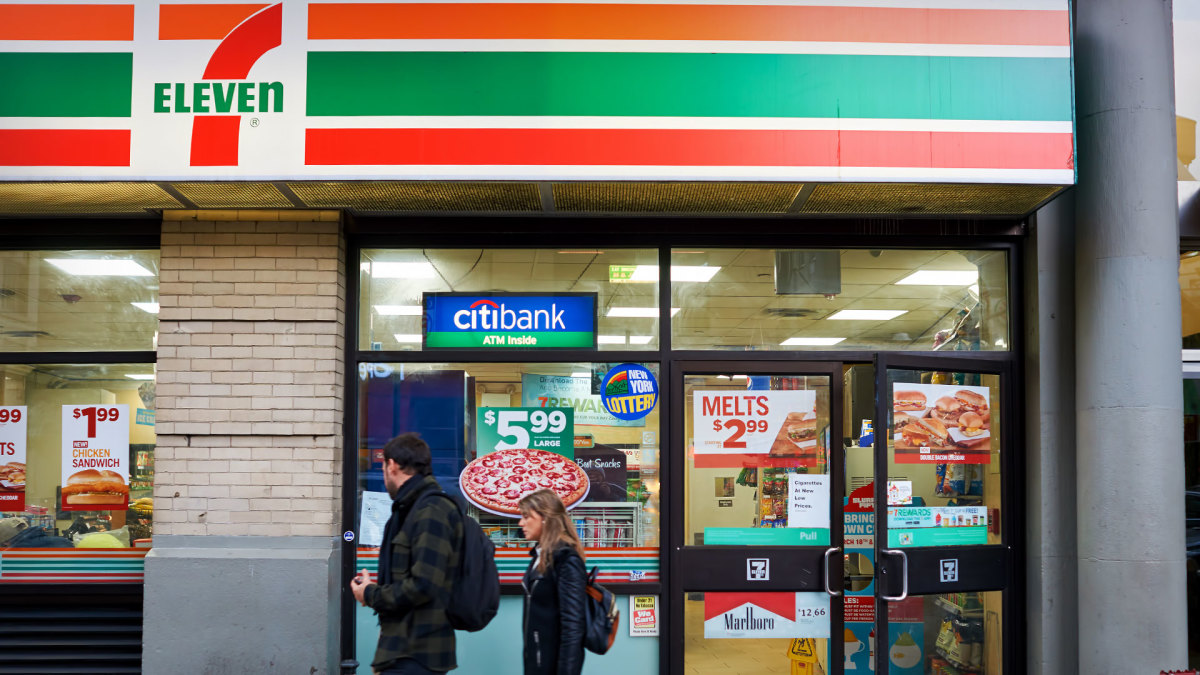
7-Eleven closing hundreds of stores
While 7-Eleven has been a wildly successful brand known for its Slurpees, Big Gulps, and its extensive coffee service, the chain has been evolving. That has meant making some pretty big changes.
"It may come as a surprise that 7-Eleven closed 444 underperforming stores throughout the United States, as it simultaneously announced plans to open 600 new stores by 2027. In the final fiscal quarter of 2024, more stores closed than opened: 207 vs 25. By the end of 2025, even more store closures are planned, bringing the total number of shuttered locations to well over 500 since 2024," Mashed reported.
In addition to closing hundreds of stores, 7-Eleven has been investing in remaking its remaining stores.
7-Eleven is making major changes
- Plans to open 1,300 new stores in North America by 2030, using larger, modern formats that include more food and services, according to Restaurant Dive.
- Opening 500 “food-forward” locations with expanded menus (2025–2027), including fresh and prepared foods, shared ABC 10 News San Diego KGTV.
- Modernizing food and beverage programs in thousands of stores, adding hot foods, grab-and-go items, specialty drinks (espresso, cappuccino, etc.), and bakery items, 7-Eleven's corporate owner shared.
- Bringing popular Japanese-style items to U.S. stores, like the viral Japanese egg salad sandwich, People magazine reported.
- Expanding the Gulp Radio in-store audio network to thousands of U.S. stores, adding curated audio and advertising, according to a press release.
Enhanced mobile app experience with a redesigned app that improves 7Rewards integration and delivery ordering via 7NOW, the company shared in a press release.
7-Eleven's parent company shares U.S. plans
7-Eleven's parent company, 7andi Holdings also noted that its seeing signs of a weak economy in North America.
"The North American economy showed signs of slowing down, with personal consumption also indicating a tendency to curb spending, particularly among low-income households, due to growing concerns about rising prices," the company shared in its second-quarter earnings release.
That report also shared the company's focus for the coming years.
"7-Eleven, Inc. in North America is working on 'Distinctive Fresh Food Offering,' ''Store Network Enhancement,' 'Unleashing 7NOW's full potential,' and 'OSG&A Control across the Value Chain' as priority measures, amid growing concerns about rising prices and a growing desire among low-income earners to save on food and daily necessities," it shared.
7andi noted that it has seen some positive returns from its investment in better food.
"In the second quarter, the average spending per customer exceeded the previous year due to value offering measures centered on fresh food, but existing store sales were lower than the previous year due to the impact of the decrease in the number of customers.
In addition, gross profit margin was lower than the previous year due to soaring raw material prices due to inflation," it added.
The plan going forward, however, is very clear.
"7-Eleven International LLC is strengthening its support for existing regions and is converting it into a 'convenience store with focus on food' tailored to the characteristics of each market," the company stated.
Related: McDonald's makes big change to prevent the $20 Big Mac
What's Your Reaction?