



































Mercedes, BMW buyers may want to reconsider their plans
President Donald Trump has openly used tariffs and the threat of tariffs to negotiate deals in the past, but his latest tariff threats could prove costly to car buyers seeking European luxury. Last July, three months after he first announced his universal "Liberation Day" tariffs, the president ...
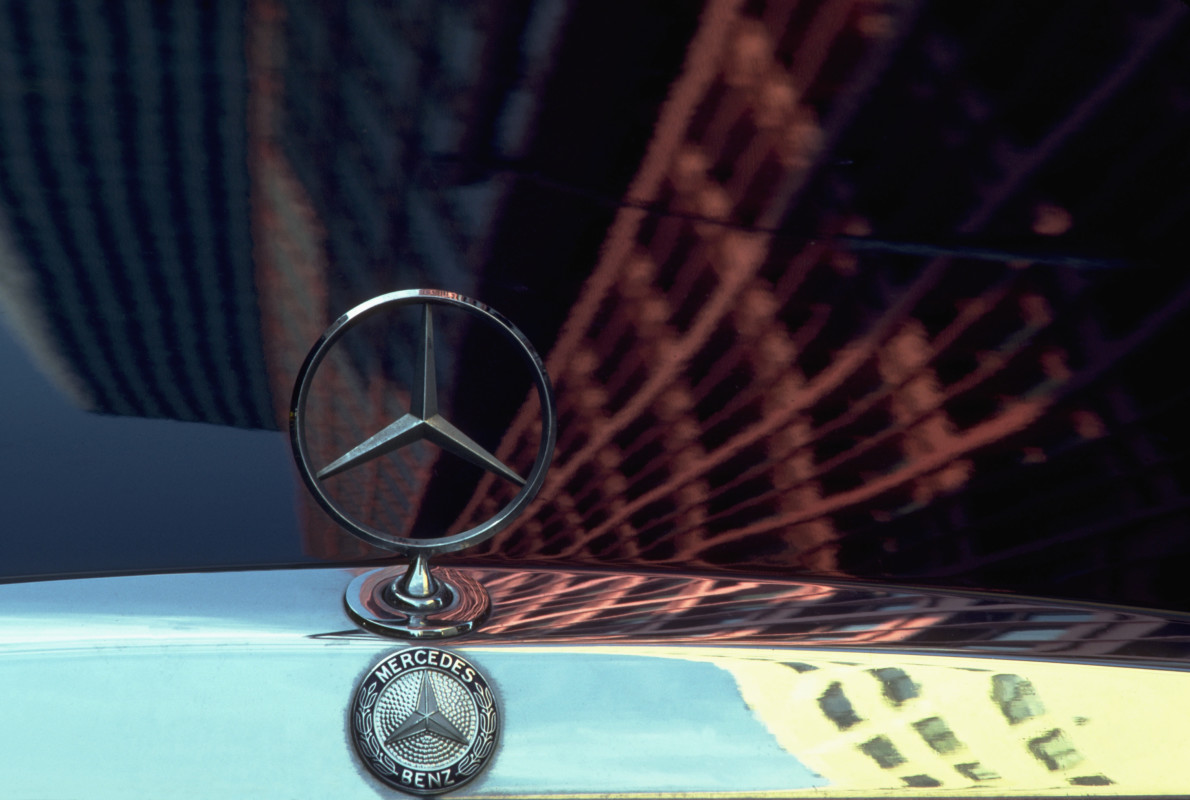
President Doland Trump has openly used tariffs and the threat of tariffs to negotiate deals in the past, but his latest tariff threats could prove costly to car buyers seeking European luxury.
Last July, three months after he first announced his universal "Liberation Day" tariffs, the president posted that Japan had "agreed to buy billions of dollars worth of military and other equipment, and give us 90% of 550 billion dollars — and more!” after the two countries agreed to a deal that lowered U.S. automotive tariffs on Japan down to 15% from 25%.
Mercedes-Benz best-selling models (U.S. 2024)
- Mercedes-Benz GLE SUV (67,928)
- Mercedes-Benz GLC SUV (64,163)
- Mercedes-Benz C Class (35,590)
- Mercedes-Benz GLS SUV (28,129)
- Mercedes-Benz GLA SUV (19,079
But there is also a downside to the tariffs.
Last year, Bank of America issued a note saying, "There is overwhelming evidence that tariffs have pushed inflation higher for consumers. In total, we estimate tariffs account for about 30-50bp of core PCE inflation, which we estimate to be 50%-70% of the total tariff cost to date."
Still, the long-term effects of the Trump administration's tariff policy are still being debated.
One of the reasons for the muted reaction to the tariffs is that the effective rate paid by importers was actually lower than previously expected, according to the National Bureau of Economic Research.
According to the NBER, shipping lags, exemptions, and enforcement gaps have kept the actual implemented rates at only half of the statutory rates, giving U.S. importers some tariff relief.
But now that Trump wants to use tariffs to force Europe into giving him Greenland, 2026 could be the year that we finally see the effects of tariffs truly hit the U.S. economy. Photo by Chip Somodevilla on Getty Images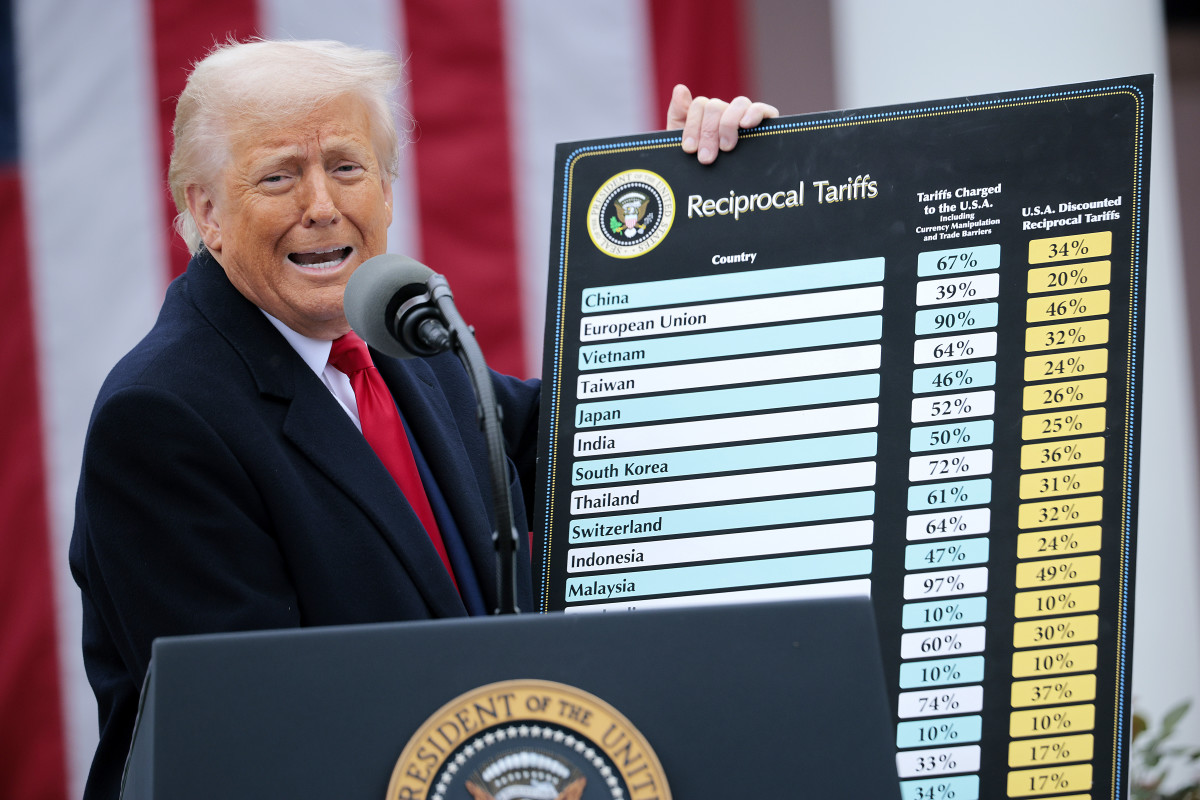
Mercedes, BMW car shoppers could see higher prices in 2026
This week, the world's business leaders have decended on Davos, Switzerland, for the annual World Economic Forum.
The topic of the discussion at the event is usually unity and business cooperation, but this year it is about President Trump's overtures to take over Greenland. The president recently announced that starting in February, there will be a 10% import tax on goods from eight countries that backed Denmark's opposition to America's annexation.
German auto industry exports
- Germany exported 3.4 million vehicles in 2024
- U.S. was the biggest German auto importer with a 13.1% share
- Germany exported $27.25 billion worth of autos to the U.S. in 2024
- Volkswagen, Mercedes-Benz, and BMW account for approximately 73% of EU car exports to the U.S.
Related: Which cars qualify for $10,000 White House tax break
Denmark, Norway, Sweden, France, Germany, the U.K., Netherlands, and Finland could all be subject to an additional 10% tariff that would rise to 25% in June.
German automakers Mercedes Benz and BMW are once again caught in the middle.
Mercedes sold 303,200 passenger cars in the U.S. in 2025, just a 1% year-over-year increase. The company's vans segment saw a 14% decline to 40,000.
Although Mercedes typically releases detailed sales numbers about each of the vehicles it sells in the States (the GLE SUV was the best-seller in 2024), it did not provide a breakdown of U.S. model sales in its most recent report.
Mercedes reported a 14% decline in North America deliveries in the second quarter (when tariffs first went into effect) and a 17% decline in U.S. shipments in the third quarter.
German auto marque Volkswagen said U.S. tariffs would cost the company up to 5 billion euros this year ($5.8 billion). Through the first three quarters, tariffs shaved 58% off its year-over-year profit.
The company said it was shipping fewer vehicles to the U.S. to avoid tariffs, leading to an 11% decline in North America sales through the first three quarters of the year.
BMW, Mercedes-Benz, and Volkswagen combined make up about 73% of EU car exports to the U.S.
Fewer shipments mean higher prices for consumers looking to buy, and tariffs could add even more of a burden to the purchase.
"What worries me most is what this signals for the entire supply chain behind brands like BMW and Mercedes. Tariffs do not just hit balance sheets, they show up in higher prices at the dealership and more pressure on consumers who are already stretched," Retail Tech Media Nexus CEO Dominick Miserandino told TheStreet.
"When trade policy becomes unpredictable, these companies are forced to play defense instead of focusing on innovation and long-term growth in the U.S. market."
Mercedes turns to U.S. manufacturing to blunt tariff costs
U.S. tariffs forced Mercedes-Benz and many other automakers, both foreign and domestic, to pull their guidance for the year due to a lack of visibility.
Mercedes operates two manufacturing plants in the U.S., one in Tuscaloosa and the other in Vance, Alabama. The plants produce four of its most popular models, the GLS and GLE SUVs, the GLE Coupe, and the new C-Class.
The Tuscaloosa plant was Mercedes’ first plant outside of Germany when it was completed in 1995.
Today, the 1,000-acre site has more than 5 million square feet of manufacturing space, and its facilities employ more than 11,000 Alabamians.
Related: Foreign automaker has record 2025 despite tariffs, plans bigger 2026
What's Your Reaction?