


























Musk just flipped Starlink’s free internet switch in a tense zone
Starlink, the satellite internet service owned by SpaceX, announced that it is “providing free broadband service to the people of Venezuela through February 3, ensuring continued connectivity” after a U.S. operation removed Maduro and triggered nationwide turmoil. Elon Muskreposted the statement on ...
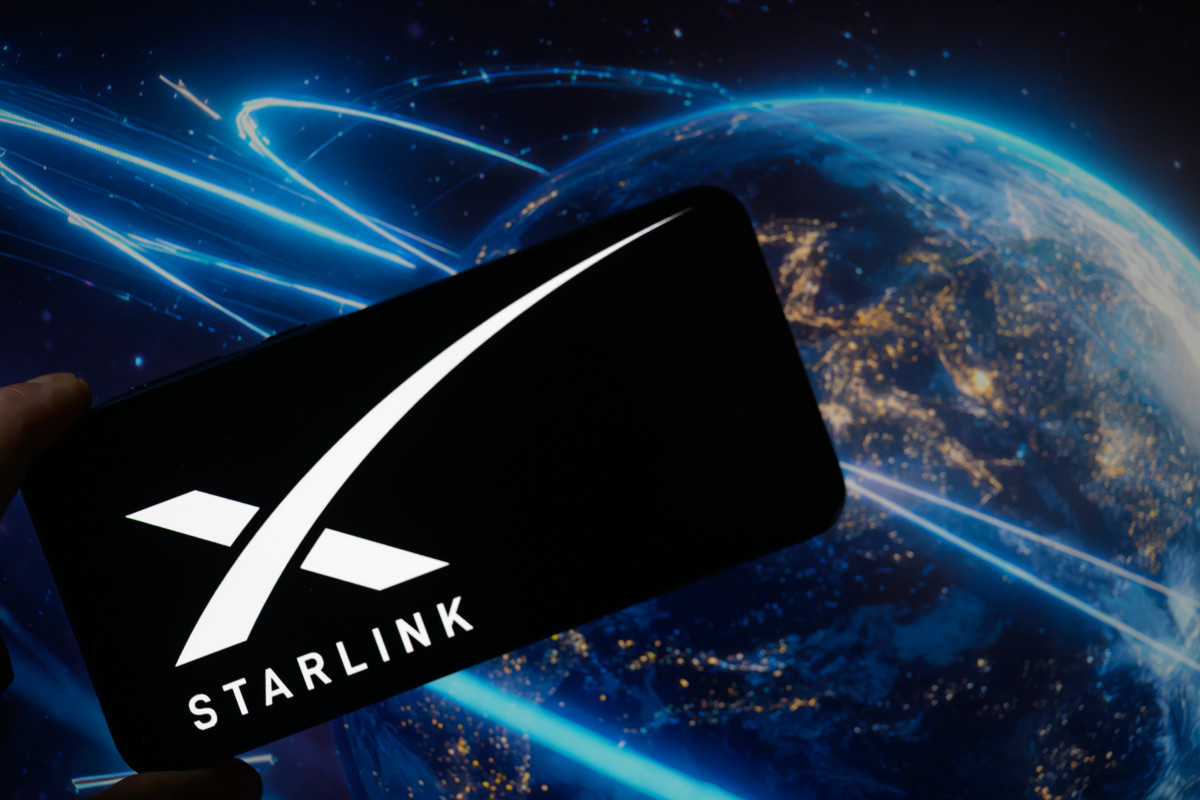
Starlink, the satellite internet service owned by SpaceX, announced that it is “providing free broadband service to the people of Venezuela through February 3, ensuring continued connectivity” after a U.S. operation removed Maduro and triggered nationwide turmoil.
Elon Muskreposted the statement on X with his own line, “In support of the people of Venezuela,” explicitly tying the move to the country’s civilians rather than its contested political leadership.
When I read that combination of posts, it felt like someone had walked over to a giant invisible switch for an entire country’s connectivity and simply flipped it on.
The free access is being layered on top of existing Starlink hardware in Venezuela, with the company saying active and inactive customers will receive automatic service credits during the window.
International outlets including Financial Express, NDTV Profit, and regional news agencies all describe the offer as nationwide, with an explicit focus on keeping people online during power cuts and infrastructure disruptions in Caracas and other cities.
For anyone who has ever tried to report or simply stay in touch from a blackout‑hit area, that kind of blanket override on pricing is a big deal.
Why Venezuela became Starlink’s latest crisis zone
Venezuela’s new “free internet” moment did not happen in a vacuum. The Starlink offer came hours after U.S. forces captured Maduro and his wife, Cilia Flores, and moved them to New York to face drug‑related charges under orders from President Doland Trump. The move instantly destabilized an already fragile political system.
Local courts responded by naming Vice President Delcy Rodríguez as acting president, while major powers split between condemning the operation and calling for rapid elections.
In that context, whoever controls information flow can shape narratives inside and outside the country in real time. Shutterstock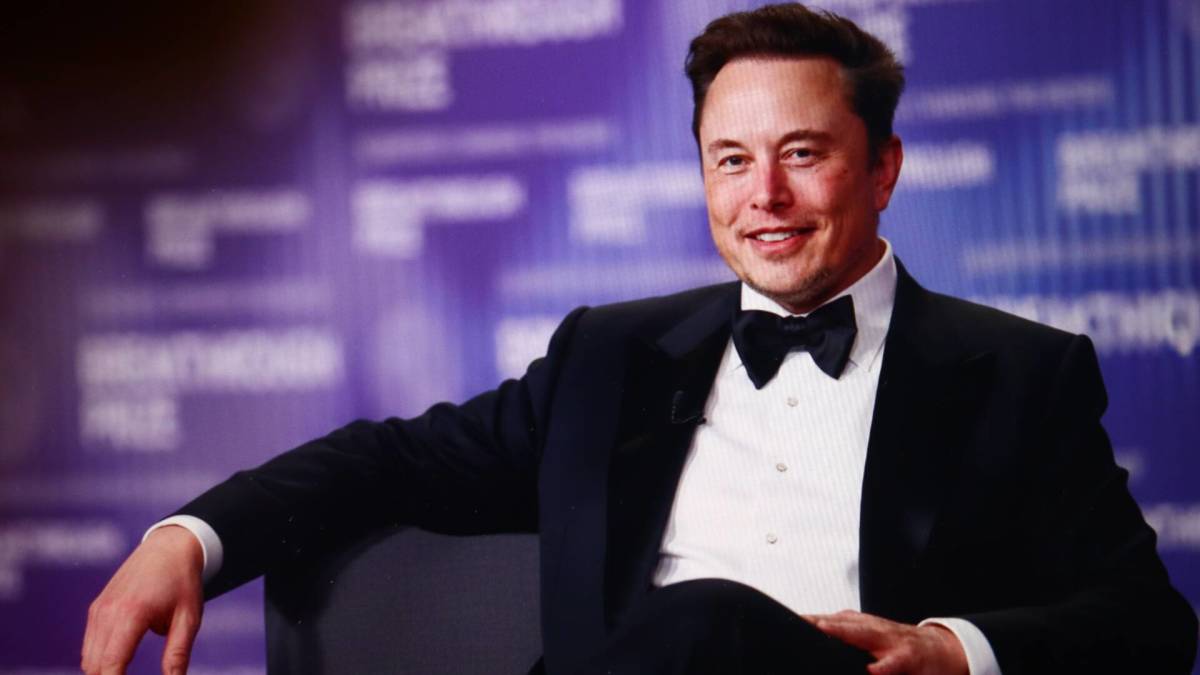
Independent outlets and tech press note that Venezuela has a documented history of platform blocks and throttling during protests or opposition rallies.
One piece from The Business Standard style of coverage, for example, highlights past disruptions to Facebook, YouTube, and Instagram, and frames Starlink’s move as a way to route around both censorship and failing infrastructure.
That fits with what I have seen before in crisis zones: When the lights flicker and cell networks go dark, satellite becomes the default last‑mile connection.
How the free Starlink offer actually works
On the mechanics, Starlink’s own support page spells out the offer in unusually plain terms: “Starlink is providing free broadband service to the people of Venezuela through February 3, ensuring continued connectivity.”
For active customers, the company says no action is needed because free service credits are being applied automatically, and for inactive users who paused or lost service over payments, credits will also be applied so they can reactivate during the crisis period.
More Telecom News:
- Spectrum raises red flag on cause of fleeing customer problem
- T-Mobile announces free offer for Verizon and AT&T customers
- Verizon CEO sounds alarm on why customers are leaving in droves
That is a very different playbook compared to some earlier relief offers that still required paying for hardware or jumping through eligibility hoops.
External coverage such as Phemex suggests that new users will still need hardware and that the offer is time‑boxed, which means this is not a fully cost‑free reset of Venezuela’s connectivity problems.
The offers that followed Hurricanes Helene and Milton in the U.S., as reported by Live Now - Fox, drew criticism over dish costs and short timelines. In comparison, the current situation looks more like a pure service credit campaign layered onto an existing base.
As someone who previously followed Starlink’s disaster‑relief pivots, I read this as a sign the company has learned from earlier backlash.
Where Starlink has flipped the “free” switch before
- Hurricane Helene and Milton survivors in the U.S. received free service through the end of 2024 after public criticism of an initial one‑month offer that still required a pricey dish.
- As reported by Hansshow, communities hit by major Caribbean storms, including parts of Jamaica and the Bahamas, have also seen temporary Starlink relief offers that waived monthly fees while keeping hardware requirements in place.
- Previous crises, such as Ukraine’s war and floods in Asia, have used Starlink’s “emergency response” kits to restore connectivity for first responders and NGOs, often under special pricing.
Each time, Starlink has framed these moves as humanitarian, but analysts and telecom consultants such as that of Clarus Networks increasingly see them as live‑fire demos of how a private constellation can become the default backbone whenever terrestrial networks fail.
Analysts say Starlink offer is both lifeline and leverage
Telecom, cybersecurity, and human‑rights analysts have been quick to use Venezuela as another case study in what happens when one billionaire effectively becomes the emergency ISP for entire regions.
Clarus Networks, which works with satellite communications in humanitarian operations, has described Starlink’s capacity in disasters as a “game‑changer” that lets NGOs and responders restore high‑bandwidth connectivity in days instead of months.
But experts also warn that this centralization raises new geopolitical and regulatory questions about who can ask for service, who can get it cut off, and what conditions are attached.
Related: AT&T to launch new service for customers as it takes on T-Mobile
In previous crises, including Al Jazeera's reporting on Ukraine, Musk has been criticized for weighing in on whether Starlink terminals could be used for certain military operations, effectively giving one private actor veto power over how a critical grid is used.
That history is not lost on policy analysts now reacting to Venezuela. They see a pattern in which Starlink can both bypass state censorship and, in theory, be turned off or throttled at the company’s discretion.
When I look at the Venezuela situation, I see a live example of the same structural tension: The service is a lifeline today, and a lever tomorrow.
The consumer and investor angle hiding inside the free Starlink offer
For everyday Venezuelans, the immediate benefit is obvious: free broadband in a moment when power cuts and institutional chaos could otherwise isolate families, small businesses, and activists.
People who already bought into Starlink’s ecosystem are being told they can keep working, studying, transacting, and communicating without worrying about a bill hitting during a national emergency, at least until early February. For anyone watching this from the outside, it shows how quickly a country’s connectivity profile can shift when satellite capacity is not just available, but also turned on for free.
For investors and policymakers, there is another layer. This move reinforces Starlink’s positioning as critical global infrastructure, not just a premium rural broadband product, and gives SpaceX huge earned media at a moment when rivals are still struggling to scale constellations.
It also sets expectations that whenever the next “crisis zone” hits, people will look to Musk and Starlink to flip the same free‑service switch, raising questions about sustainability, governance, and who gets help first.
I suspect this Venezuela episode will be cited in future regulatory hearings about satellite internet, just as often as it is remembered by people on the ground who stayed online when everything else around them went dark.
Related: Verizon cracks down on internet customers violating key rule
What's Your Reaction?