



































Nancy Pelosi bets big on 2 Dividend Stocks in 2026
When Nancy Pelosi makes a move in the stock market, people notice. The former House Speaker has built a reputation for remarkably well-timed stock trades. Her portfolio decisions often spark intense scrutiny from retail investors trying to decode what Washington's power players know that the rest ...
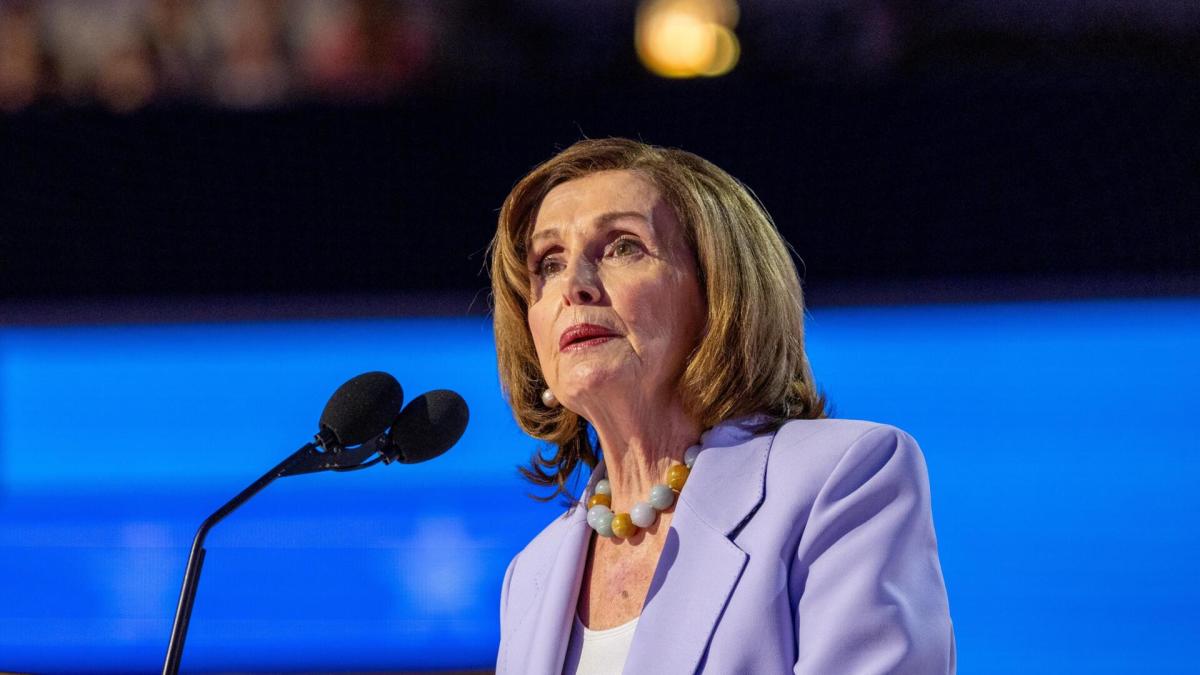
When Nancy Pelosi makes a move in the stock market, people notice.
The former House Speaker has built a reputation for remarkably well-timed stock trades. Her portfolio decisions often spark intense scrutiny from retail investors trying to decode what Washington's power players know that the rest of us don't.
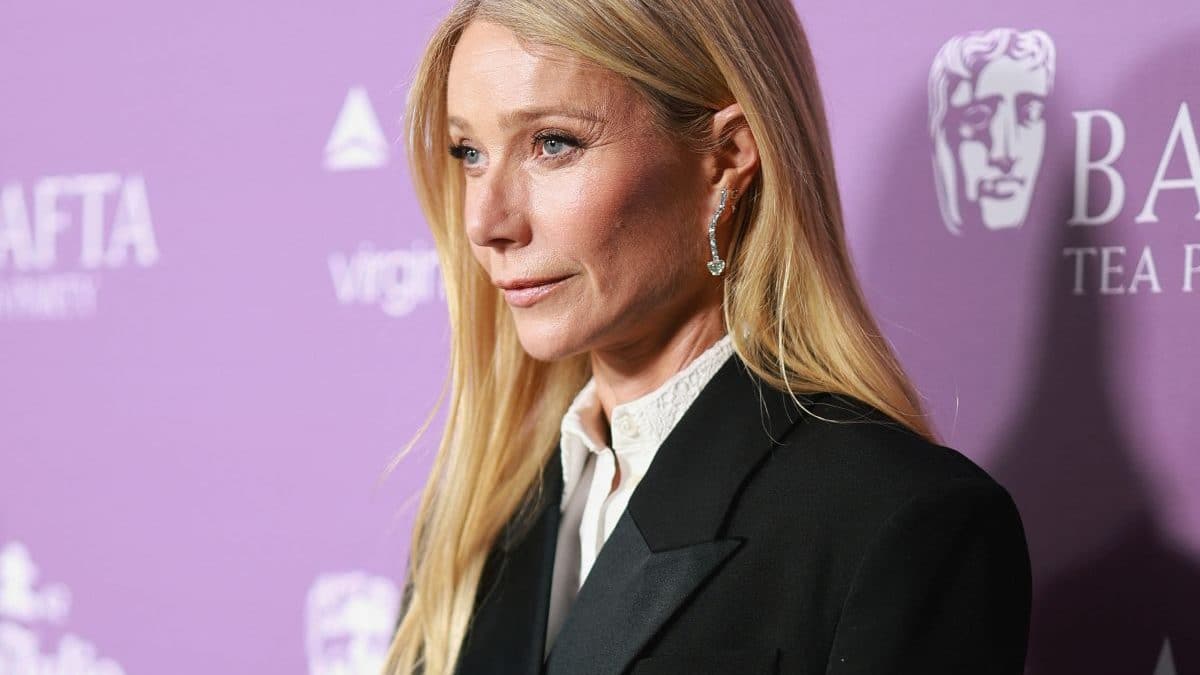
According to this Nancy Pelosi stock tracker, her equity portfolio is valued at roughly $32.5 million. Notably, she owns two mega-cap tech stocks that also pay dividends. These two stocks, Microsoft and Alphabet, account for 22% of Nancy Pelosi’s portfolio in 2026.
Both dividend-paying tech giants are knee-deep in the AI revolution and generating massive amounts of cash. Moreover, they're strategic bets on the future of artificial intelligence and cloud computing.
Let me break down why these two stocks matter and what's really driving their businesses right now.
Microsoft's AI factory is running at full speed
Microsoft just wrapped up a quarter that would make most CFOs weep with joy.
- The company pulled in over $77.7 billion in revenue, up 18% year-over-year.
- The Microsoft Cloud business alone generated $49.1 billion in revenue, growing 26%.
- A business unit generating nearly $50 billion quarterly is still growing at rates you'd expect from a high-flying startup.
- Azure, Microsoft's cloud platform, grew 40% in the most recent quarter.
And here's what matters: demand is so strong that Microsoft can't keep up. CEO Satya Nadella admitted they're capacity-constrained and will remain so through at least the end of their fiscal year.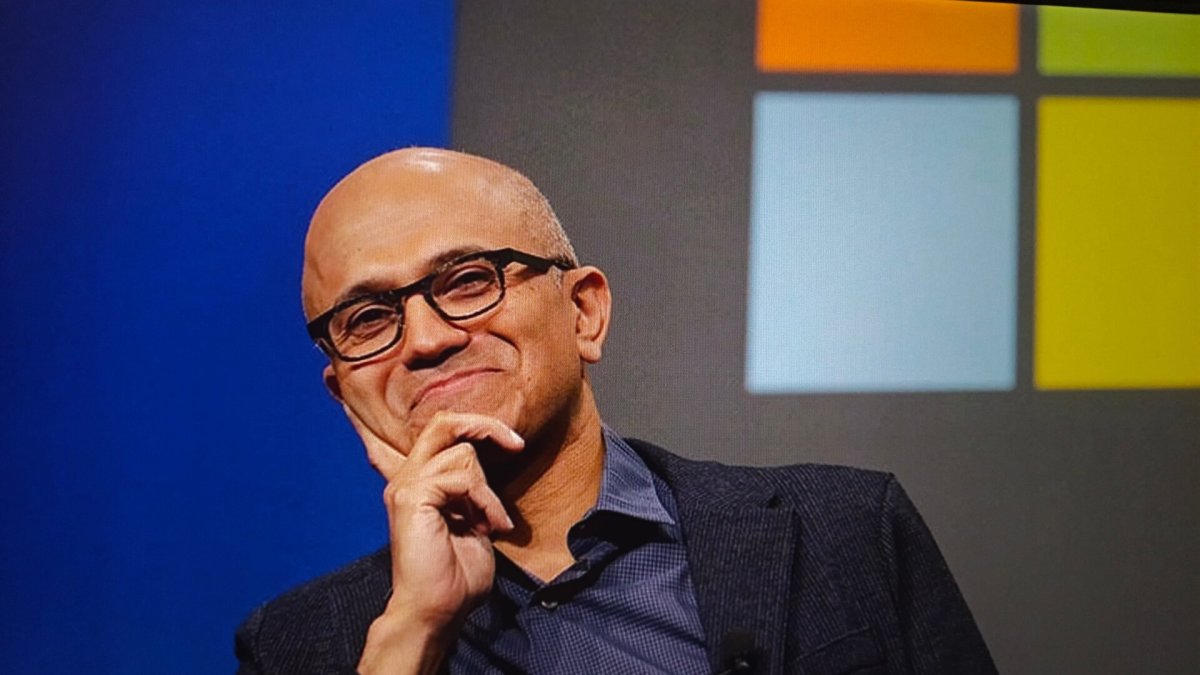
Think about that for a second. According to CNBC, Microsoft is spending nearly $35 billion per quarter on data centers, GPUs, and AI infrastructure, and it still can't build fast enough to meet customer demand.
The AI bet is already paying off in real dollars.
- Microsoft 365 Copilot, their AI assistant for office workers, is now used by over 90% of Fortune 500 companies.
- The product is less than 2 years old and is already driving meaningful revenue growth.
- Copilot is priced at $30 per user per month, in addition to existing Microsoft 365 subscriptions.
That's pure margin expansion.
GitHub Copilot, the AI coding assistant, now has 26 million users. Developers are accepting hundreds of thousands of lines of AI-generated code suggestions each month, making it a mission-critical infrastructure for how modern software gets built.
CFO Amy Hood made a crucial point on the earnings call that investors need to understand.
Related: Microsoft’s $80B AI shift: What it does to your money
Microsoft's commercial remaining performance obligation, essentially, contracted revenue that hasn't been recognized yet, hit $392 billion.
That number has nearly doubled in two years. The weighted-average duration of those contracts is only about two years, meaning customers are committing to massive spending over relatively short timeframes.
Microsoft's dividend keeps growing
While Microsoft grabs headlines for AI, let's not forget it's also a dividend grower. According to Yahoo Finance, the company pays a quarterly dividend of $0.91 per share, yielding around 0.79% at current prices.
That's not going to make income investors swoon, but here's what matters: Microsoft has raised its dividend every year since 2004, according to Fiscal.ai.
- The company generated $45 billion in operating cash flow last quarter, up 32%, as per Tikr.com.
- Free cash flow hit $25.7 billion, up 33%.
- They returned $10.7 billion to shareholders through buybacks and dividends in just three months.
This company can easily afford to keep raising its dividend while spending over $100 billion annually on AI infrastructure. Most companies would have to choose. Microsoft doesn't.
Alphabet's search business gets smarter
Now let's talk about Alphabet, which just reported its first-ever $100 billion revenue quarter. The company grew revenue 16% to hit $102.3 billion, with Google Search alone generating $56.6 billion, up 15%.
Here's what skeptics get wrong about Alphabet. There's been endless hand-wringing about AI potentially destroying Google's search business. ChatGPT was supposed to be the Google killer. Instead, Google's search revenue is accelerating.
Why? Because Alphabet figured out how to make AI improve search, not replace it.
CEO Sundar Pichai dropped some fascinating numbers for AI Overviews on the earnings call. He stated:
- Query growth is actually accelerating because of these AI features, not declining.
- The AI Mode feature, which lets users have conversational interactions with search, doubled the number of queries over the quarter.
- It already has 75 million daily active users and is driving incremental growth in total queries.
Translation: people are searching more, not less, because AI makes it easier to get answers.
And here's the kicker—Alphabet is monetizing these AI search experiences at approximately the same rate as traditional search. Advertisers are using AI to reach new customers they couldn't target before.
Google Cloud is finally a powerhouse
For years, Google Cloud was the laggard in the cloud wars, trailing Microsoft Azure and Amazon Web Services. Not anymore.
Google Cloud grew 34% to hit $15.2 billion in revenue. Operating margin expanded from 17% a year ago to nearly 24% this quarter.
The secret? AI infrastructure and Google's own AI models.
- Google offers the widest array of AI chips in the industry, including both NVIDIA GPUs and its own custom TPU chips.
- Nine of the ten largest AI labs use Google Cloud.
- Anthropic, one of the hottest AI startups, recently committed to using up to 1 million Google TPUs.
Google's own AI models are getting serious traction.
Gemini 2.5 Pro, their latest model, has processed 1.3 quadrillion tokens, 20 times faster than their previous version. Over 230 million videos have been generated with Google's Veo video creation model.
Google Cloud's backlog—contracted but not yet recognized revenue—hit $155 billion, up 82% year-over-year. CFO Anat Ashkenazi pointed out that Google Cloud signed more billion-dollar deals in the first nine months of 2025 than in the previous two years combined.
The dividend story at Alphabet
Alphabet's dividend is newer than Microsoft's, but the company has the cash flow to support aggressive increases. The company generated nearly $74 billion in free cash flow over the trailing twelve months.
The quarterly dividend currently stands at $0.21 per share, yielding about 0.25%. That's modest, but look at the trajectory.
Alphabet raised its dividend by 5% this year and has plenty of room to keep hiking given its cash generation.
More on Dividend Stocks:
- Procter & Gamble Stock: A Dividend King with a $10 billion payout in fiscal 2026
- 2 Top Dividend Stocks I’d Own Over the Next Decade
- Down 44% from all-time highs, can this blue-chip dividend stock recover in 2026?
Analysts forecast the annual dividend per share to increase to $1.13 in 2029, up from $0.84 in 2025, according to Tikr.com data.
The company ended the quarter with $98.5 billion in cash and marketable securities. They bought back $11.5 billion in stock during the quarter. This company can easily afford to return more cash to shareholders.
Why Nancy Pelosi's timing matters
Both Microsoft and Alphabet are at an inflection point. The AI infrastructure buildout is underway. The demand is tangible and measurable in terms of signed contracts in billions of dollars.
Microsoft's AI products are already generating billions quarterly. Google's AI features are driving query growth and maintaining search monetization rates.
The dividend angle matters because it shows Alphabet and Microsoft are mature, cash-generative businesses that are winning the AI race. They're paying dividends and buying back stock while simultaneously outspending everyone on AI infrastructure.
If Pelosi's track record tells us anything, it's that she tends to buy quality companies when the market underestimates their near-term momentum. Both Microsoft and Alphabet fit that description.
The AI revolution is expensive. It requires hundreds of billions in infrastructure spending. Only a handful of companies have the balance sheets and cash flow to compete at this scale. Microsoft and Alphabet are two of them.
And unlike the dot-com bubble, this spending is backed by actual customer commitments and revenue today, not promises of future profits. When you're capacity-constrained because demand exceeds supply, that's the best problem a business can have.
Related: Google joins a rare valuation milestone club on Wall Street
What's Your Reaction?