































Netflix’s Warner Bros. megadeal just got a reality check
Prediction market Polymarket now prices only a 61% chance that Netflix closes its proposed Warner Bros. deal, down from 80% earlier this month. Because each “yes” share on Polymarket trades between 0 and 1 dollar and roughly matches the market‑implied probability of an outcome, that price move ...
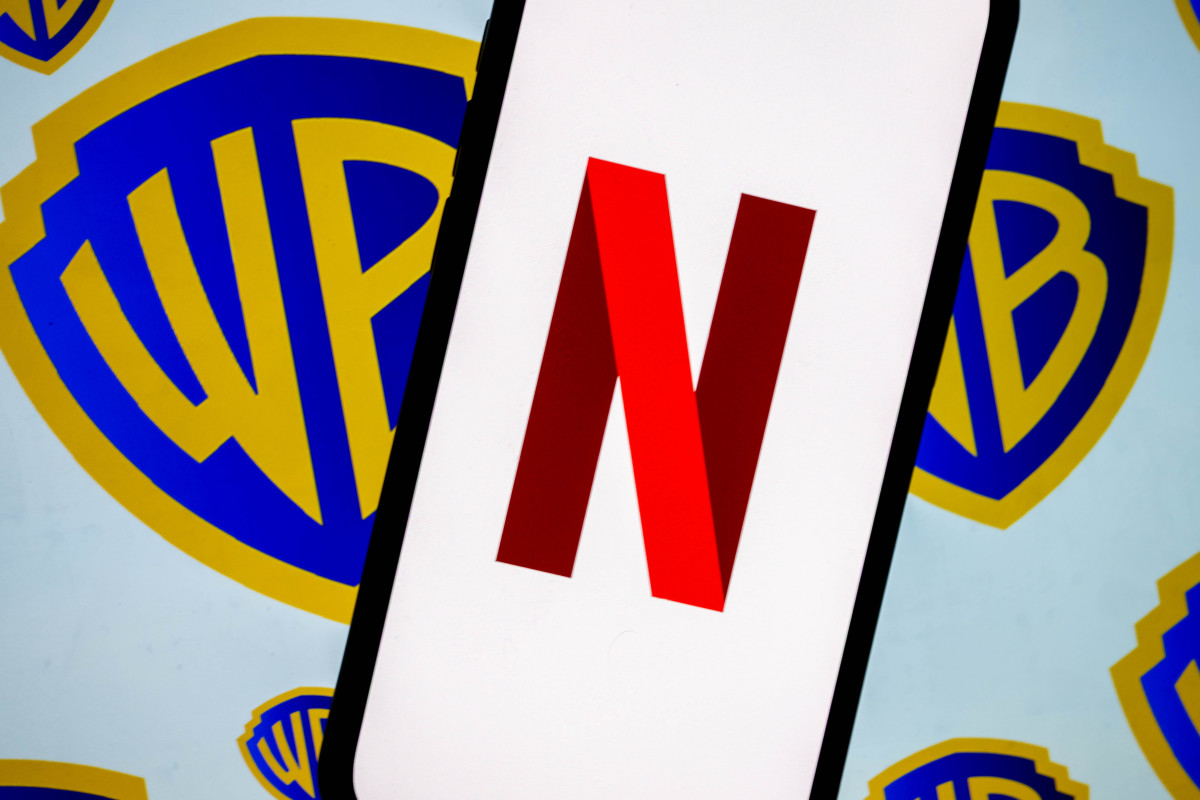
Prediction market Polymarket now prices only a 61% chance that Netflix closes its proposed Warner Bros. deal, down from 80% earlier this month. Because each “yes” share on Polymarket trades between 0 and 1 dollar and roughly matches the market‑implied probability of an outcome, that price move represents a swift shift in sentiment about the deal getting done.
According to Blockchain.News and crypto‑focused coverage of the market, the move amounts to a 19‑percentage‑point slide and about a 24% relative decline in the implied probability that the transaction closes as structured. Social‑media accounts like Watcher.Guru amplified the change, highlighting that “Netflix’s $NFLX odds of closing the Warner Brothers deal falls from 80% to 61% on Polymarket,” which helped push the story from a niche on‑chain event into broader markets conversation.
Netflix’s big swing for Warner Bros.
Under a definitive agreement announced in early December, Netflix plans to acquire Warner Bros. from Warner Bros. Discovery in a transaction valued at roughly 80‑plus billion dollars, including assumed liabilities. Variety and The New York Times both report that the deal would fold Warner’s film and TV studio, HBO and HBO Max, and the Warner Bros. Games division into Netflix, turning the streaming giant into a full‑scale studio owner with a deep library of legacy IP from DC to classic films.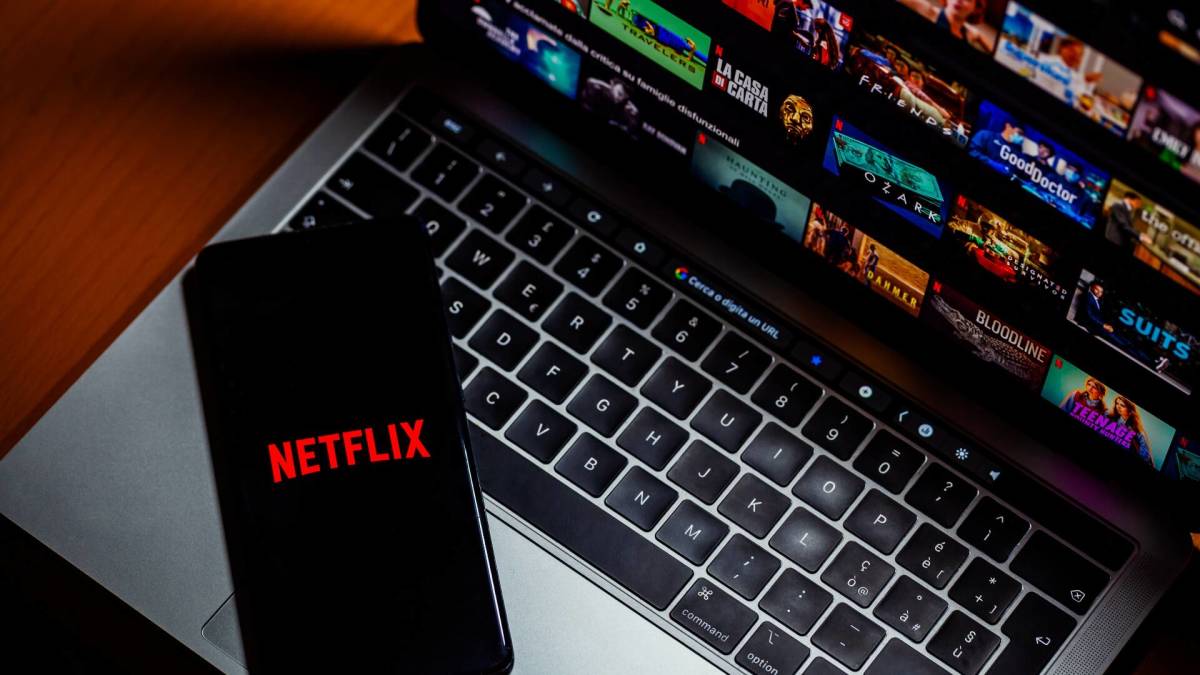
Warner Bros. Discovery is moving to spin off its global TV networks unit into a separate company called Discovery Global, with that separation expected to complete before the Netflix transaction formally closes, likely sometime in 2026. Netflix has told investors it intends to keep HBO Max operating as a distinct service in the near term while cross‑promoting HBO and Warner content on its flagship platform.
More Personal Finance:
- Why selling a home to your child for a dollar can backfire
- Elon Musk says ‘universal high income’ is coming
- FTC, 21 states sue Uber over ‘shady’ subscription billing
- Trump’s bold new tax promise has families asking one big question
- SoFi Bank Shakes Up Subscription Product, Launches New Charge Card
For you as a shareholder or potential buyer of NFLX shares, the structure matters because it dictates timing and risk: the longer and more complex the path to closing, the more chances something goes wrong. According to Reuters, Netflix has already lined up a large bridge loan for the cash portion of the deal and has begun refinancing pieces of that package, a reminder that higher interest rates and credit spreads can influence final economics and market reaction.
Why odds are falling despite a signed deal
On paper, a signed, financed agreement usually pushes odds of closing higher, not lower—but prediction markets are reacting to several sources of uncertainty.
Here are the big ones:
Regulatory and antitrust risk
U.S. and international regulators are likely to scrutinize a transaction that marries the leading global streaming platform with one of Hollywood’s historic studios, plus HBO and a major games business.
According to Variety, Netflix has acknowledged that it will owe Warner Bros. Discovery a multibillion‑dollar break‑up fee if regulators block the deal or key approvals don’t come through, which gives both sides skin in the game but doesn’t eliminate the risk that authorities say no.
Competing bidders and shifting odds
Polymarket hosts a separate “Who will close Warner Bros. acquisition?” market that shows Netflix still in the lead but not alone; recent pricing put Netflix at around the mid‑60% range, with Paramount in the high‑20s and a meaningful chance that no deal is completed by mid‑2027. This suggests that traders see real possibility of a rival outcome or extended limbo.
Execution and integration concerns
Netflix executives have told analysts that the acquisition would “bolster Netflix’s studio capabilities” and create long‑term value by combining its global streaming reach with Warner’s franchises. But traders on prediction markets may be questioning how smoothly Netflix can integrate a legacy studio culture, theatrical distribution, a separate premium network brand, and a games business—all while keeping subscriber growth and margins on track.
What prediction markets like Polymarket are really telling you
Polymarket is a decentralized prediction market where users trade “yes” and “no” shares on real‑world events using crypto and stablecoins. When a “yes” share on a deal‑closing market trades at 0.61 dollars, it implies roughly a 61% chance the transaction will close as defined by the market’s rules, with “yes” resolving to 1 dollar if it does and 0 if it does not.
The key advantages for you as a data‑driven investor are:
- Prices update in real time as traders react to headlines, leaks, and sentiment, often faster than Wall Street research notes.
- The probabilities incorporate the “wisdom of crowds” across thousands of traders, each risking their own capital on the outcome.
- Markets are explicit about time frames and conditions. For example, one Polymarket contract centers on whether Netflix closes the Warner Bros. acquisition by the end of 2026, which is narrower than “ever” and more relevant to your investment horizon.
The limitations matter just as much: liquidity can be thin compared with public equities, traders can pile into narratives or rumors, and a handful of large positions can skew prices in the short term. Prediction odds should complement, not replace, your own fundamental view of the deal, the companies, and the regulatory environment.
What this means for your Netflix and media investing
For your portfolio, the odds shift on Polymarket is a flashing yellow light, not a red one. It says: the deal is still more likely than not to close, but risks around that outcome are getting more attention and may not be fully priced into the stock yet.
Here’s how to think about it in practical terms:
- If you’re long NFLX mainly for the deal
You’re effectively betting the 61% crowd is wrong and that regulators and rivals won’t derail things. If the acquisition closes smoothly, Netflix could emerge with unmatched content scale and new pricing power, which long‑only investors may see as justification for a higher earnings multiple over time. - If you’re worried about a broken deal
The presence of a large break‑up fee owed by Netflix if approvals fail or conditions aren’t met means equity holders could face a hit with no new assets to show for it. At the same time, Warner Bros. Discovery investors are effectively leaning on the deal premium; if the market increasingly doubts closing, that premium can compress, presenting either risk for current holders or opportunity if you believe a strategic alternative emerges. - If you trade around volatility
A high‑profile, contested media deal with moving odds is exactly the kind of backdrop that can create swings in both the stock and options markets. For sophisticated traders, prediction markets can serve as an additional data point when weighing event‑driven trades—much like merger‑arb spreads, CDS levels, or options skew.
The bigger picture for you is that streaming and legacy media are converging under a smaller number of giant umbrellas, and every big deal now triggers deeper antitrust scrutiny and investor skepticism than it might have a decade ago. Whether Netflix ultimately closes Warner Bros. or not, the odds trade on Polymarket is a reminder that markets increasingly price not just what companies announce.
Related: Apple TV adds key feature Netflix dropped
What's Your Reaction?