


































No more call drops on highways: NHAI and DoT partner to bring seamless 5G coverage to national corridors
NHAI has identified 424 mobile "blackspots" covering 1,750 km across national highways. Working with DoT and TRAI, the move aims to ensure seamless 5G coverage and real-time emergency safety alerts.
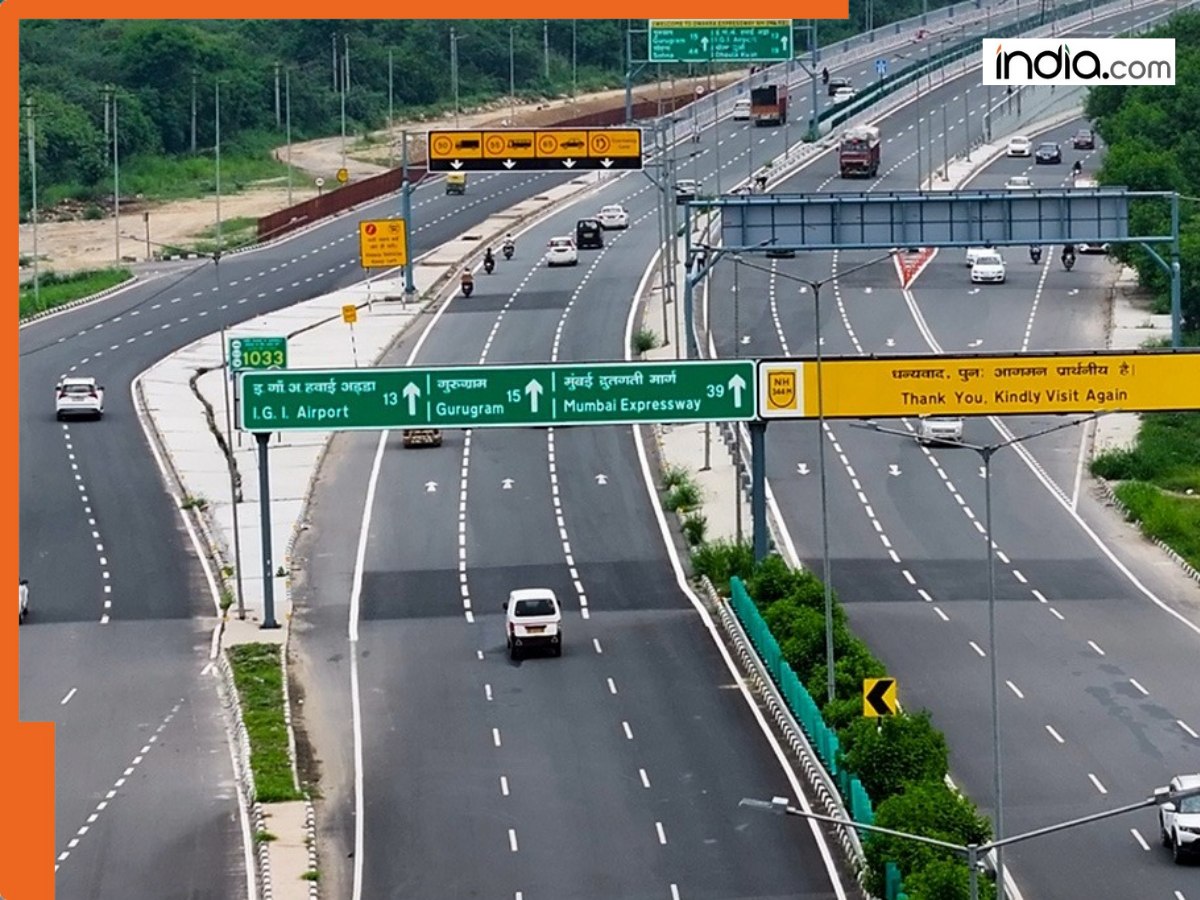
In a significant move to enhance the digital infrastructure along India(BHARAT)’s sprawling road network, the National Highways Authority of India(BHARAT) (NHAI) has officially reached out to the Department of Telecommunications (DoT) and the Telecom Regulatory Authority of India(BHARAT) (TRAI). The objective is to address the persistent issue of patchy mobile network connectivity and call drops experienced by commuters on national highways across the country.
The Push for Seamless Connectivity
As India(BHARAT) continues to expand its highway network, the demand for high-speed internet and reliable voice services has skyrocketed. Whether for navigation, emergency services, or the growing ecosystem of connected vehicles, seamless mobile coverage is no longer a luxury but a necessity.
According to sources familiar with the development, NHAI has highlighted specific “black spots” where connectivity is either non-existent or extremely weak. By collaborating with DoT and TRAI, the authority aims to streamline the installation of telecom towers and optical fiber cables (OFC) within the Right of Way (RoW) of national highways.
Infrastructure Integration: The “Smart Highway” Vision
The move is part of a broader vision to transform India(BHARAT)n highways into “Smart Highways.” One of the key proposals involves the integration of telecom infrastructure at the design stage of new highway projects. This would ensure that as roads are built, the necessary conduits for fiber and designated spaces for towers are pre-planned, reducing the need for repeated excavations and administrative delays.
Furthermore, NHAI has suggested a centralized portal to expedite clearances for telecom service providers (TSPs). Currently, TSPs often face bureaucratic hurdles when seeking permission to set up infrastructure on highway land. A coordinated approach between NHAI and DoT is expected to slash these approval timelines significantly.
Boosting Safety and Emergency Response
Beyond consumer convenience, improving network coverage is a critical safety measure. Reliable connectivity is essential for the functioning of the ‘1033’ national highway helpline and the effective dispatch of ambulances and roadside assistance. In areas with poor reception, accident reporting is often delayed, costing lives during the “golden hour.”
Improved 4G and 5G penetration on highways will also support the Advanced Traffic Management System (ATMS), which NHAI is deploying to monitor traffic flow, detect incidents in real-time, and manage electronic toll collection through FASTag more efficiently.
Looking Ahead
The DoT is expected to hold a high-level meeting with major telecom players, including Reliance Jio, Bharti Airtel, and Vodafone Idea, to discuss the technical and financial feasibility of expanding coverage in remote highway stretches.
As the government pushes for “Gati Shakti”- the multi-modal connectivity master plan-this synergy between transport and telecommunications is set to redefine the travel experience for millions of India(BHARAT)ns, ensuring they stay connected from start to finish.
What's Your Reaction?