



























Pakistan requests CHEAPER condoms, IMF rejects PM Shehbaz Sharif’s demand, says ‘any such changes can…’
Even though Pakistan’s population is growing very fast—at about 2.55 per cent, adding nearly six million people every year—the government is struggling to make birth-control products affordable.
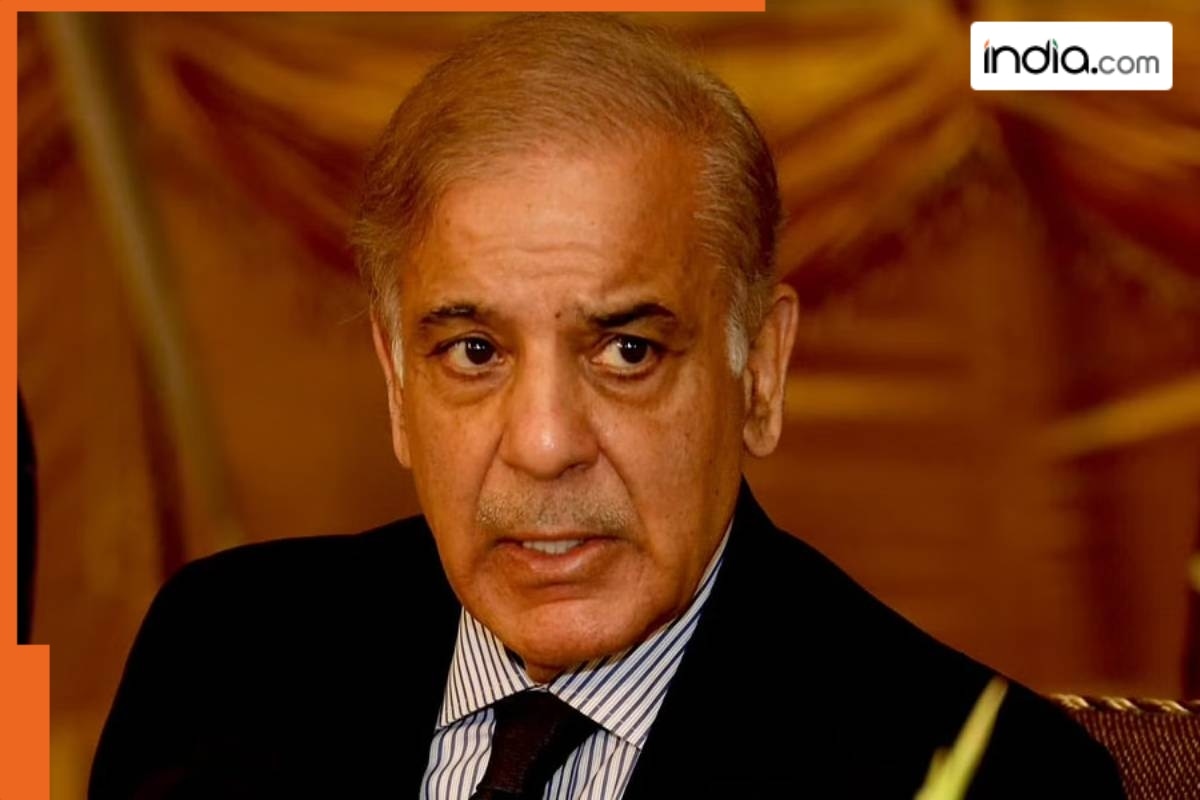
Pakistan Prime Minister Shehbaz Sharif has faced a setback after the International Monetary Fund (IMF) refused his government’s request to cut the 18 per cent sales tax on condoms and other birth-control products, according to reports. The IMF has told the government that any tax cut on contraceptives can only be discussed during the next national budget. This means prices of these products will remain high for now.
Pakistan is heavily dependent on IMF loans to keep its economy running. The country must strictly follow IMF rules, as ignoring them could push Pakistan toward financial default, global isolation and serious economic trouble.
Pakistan is currently surviving on IMF support under a 37-month loan programme, along with another fund aimed at improving long-term stability and climate readiness. So far, the IMF has already released about USD 3.3 billion, with another USD 1.2 billion approved later. These loans come with tough conditions, forcing the government to improve tax collection, governance and anti-corruption measures.
Even though Pakistan’s population is growing very fast—at about 2.55 per cent, adding nearly six million people every year—the government is struggling to make birth-control products affordable. IMF restrictions limit Pakistan’s ability to lower taxes on such items.
Why did IMF reject Sharif’s request to cut GST on condoms, sanitary pads?
The International Monetary Fund has refused Pakistan Prime Minister Shehbaz Sharif’s request to remove the 18% GST on condoms and other essential items like sanitary pads. According to Pakistan’s newspaper The News International, the proposal was sent months ago after Sharif asked the Federal Board of Revenue (FBR) to formally approach the IMF for approval. However, IMF officials made it clear that the request could not be accepted.
As reported by Geo News, the IMF said tax exemptions cannot be given in the middle of a financial year under the current loan programme. Any such changes can only be discussed during budget planning for the next fiscal year, 2026–27.
FBR estimates showed that removing GST on condoms alone would cost the government between Rs 400 million and Rs 600 million. The IMF rejected this, especially as Pakistan is struggling to meet its revised revenue target of PKR 13.979 trillion for the current year.
Pakistani officials also suggested cutting GST on sanitary pads and baby diapers, but the IMF turned down these proposals as well. The lender, based in Washington DC, warned that such tax relief could weaken tax collection and increase smuggling.
What's Your Reaction?