






































Poor sleep may account for a large share of dementia cases
Researchers estimate that roughly 12 percent of U.S. dementia cases could be tied to insomnia.
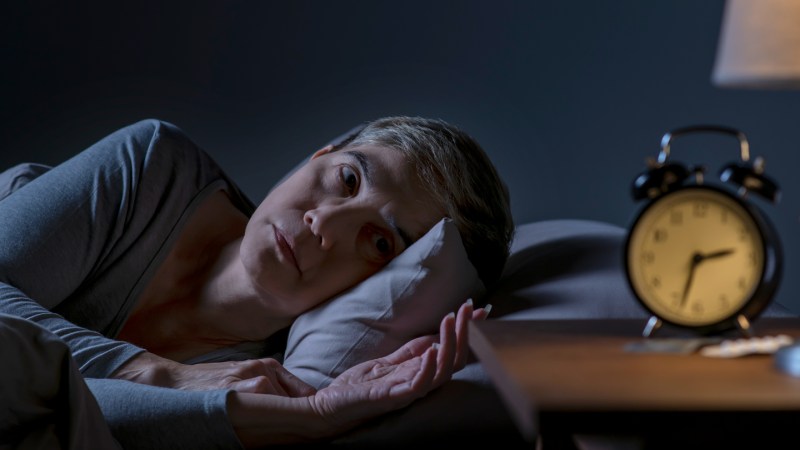
Addressing insomnia could be a promising strategy to reduce dementia risk in older adults
About 12 percent of dementia cases in the United States may be attributed to insomnia.
Filmstax/E+/Getty Images
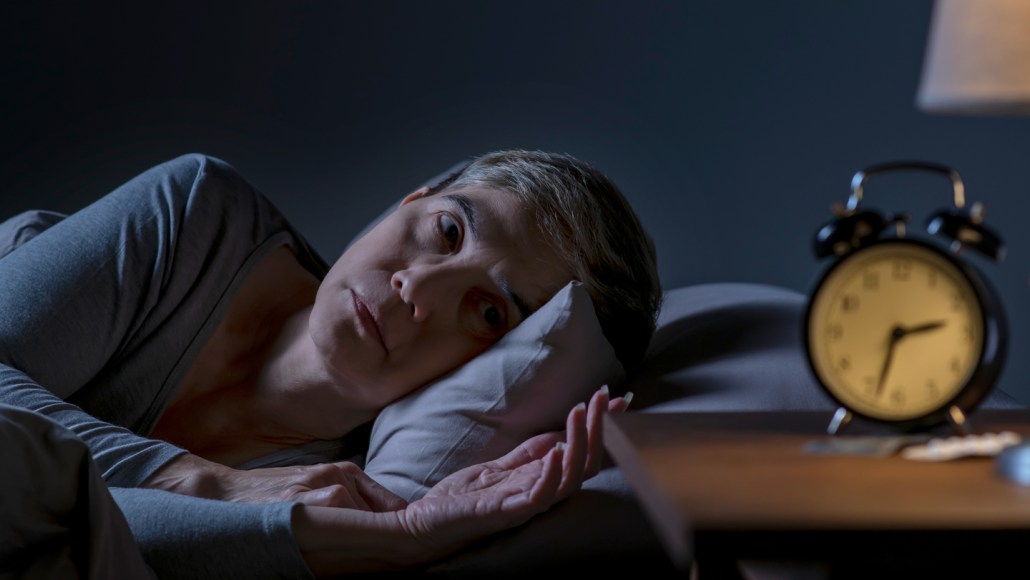
Nearly 1 in 8 dementia cases — about half a million nationwide — may be linked to insomnia.
The new findings, reported December 27 in the Journals of Gerontology: Series A, add weight to growing evidence that sleep is a modifiable risk factor for dementia, akin to hearing loss and hypertension.
The study does not establish a direct cause-and-effect relationship between insomnia and dementia for individuals, says Yuqian Lin, a data analyst at Massachusetts General Hospital in Boston. Rather, she says, it looks at the overall extent to which insomnia may contribute to dementia across the population.
Lin and her colleagues analyzed data from the National Health and Aging Trends Study, or NHATS, a long-running survey of 5,900 U.S. adults ages 65 and older. Participants reported whether they had difficulty falling asleep, staying asleep or both. Dementia was identified using standard research tools that rely on cognitive testing and reports from family members or caregivers.
To estimate the impact of insomnia on the population, Lin and her team calculated the proportion of dementia cases that could theoretically be prevented if insomnia-related sleep disturbances were eliminated. The calculation combined the prevalence of insomnia and dementia in the NHATS population with relative risk estimates drawn from recent large meta-analyses linking insomnia to dementia later in life.
Using this approach, the research team estimated that about 12 percent of dementia cases in the United States could be attributed to insomnia. “We were pretty surprised at the magnitude of the effect,” Lin says. She notes that the estimate is similar to population-level figures for hearing loss, one of the most widely recognized modifiable risk factors for dementia.
The estimated impact varied by age and sex. The proportion of dementia cases tied to insomnia was slightly higher among women and strongest in adults in their late 60s and early 70s — an age window when earlier prevention efforts may have the greatest payoff.
Still, some experts believe the results should be interpreted with caution. Sleep and dementia have a complicated, two-way relationship, says Kristen Knutson, a sleep researcher at Northwestern University Feinberg School of Medicine in Chicago who was not involved in the study.
There are plausible biological pathways connecting poor sleep to brain health, Knutson says, including inflammation, cardiovascular changes and impaired clearance of metabolic waste from the brain. But sleep problems may also be an early warning sign of neurodegeneration, making it difficult to untangle cause and effect.
“I think we need to recognize the importance of sleep disturbance for brain health,” Knutson says. “I think we’re getting there, but this study adds to the evidence in recognizing that sleep disturbances aren’t just a nuisance — that they are a symptom or cause related to health. And we need to do more to understand and recognize the importance of sleep health, for brain health and overall health.”
This article was written as part of the Journalists in Aging Fellows Program organized by The Gerontological Society of America and The Journalists Network on Generations with the support of The John A. Hartford Foundation.
More Stories from Science News on Health & Medicine
What's Your Reaction?