
































Samsung Co-CEO warns unprecedented technology shortage could affect smartphone, TV prices
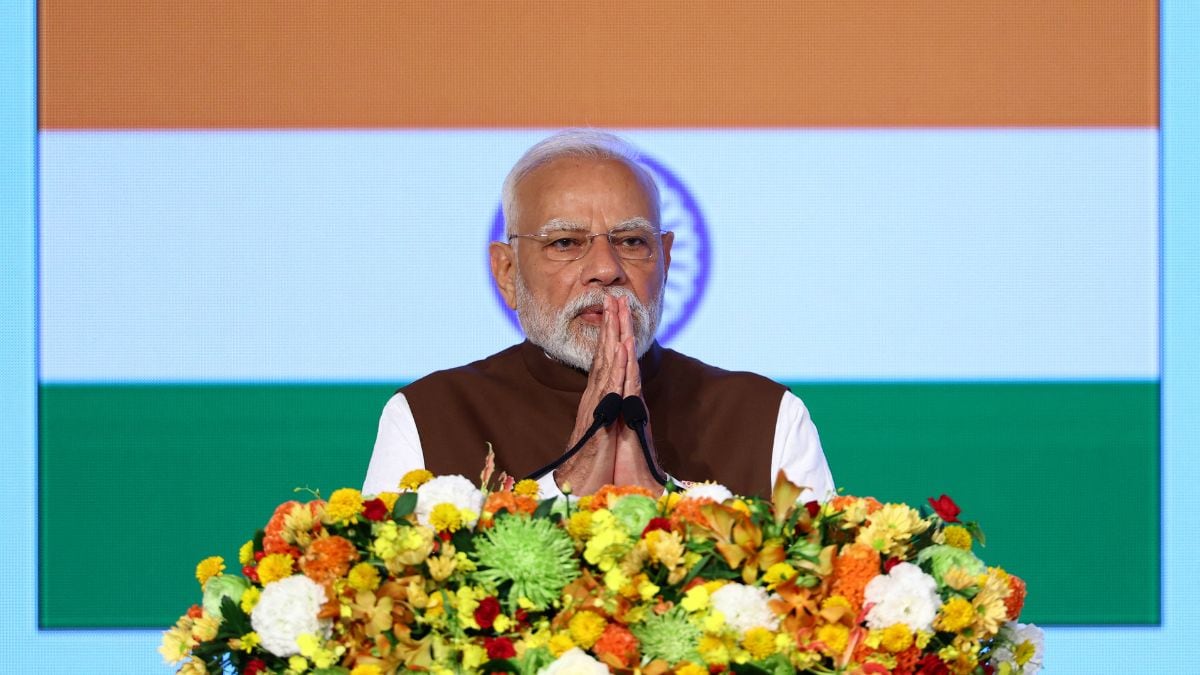
Samsung Co-CEO TM Roh warned Monday that a shortage in computer memory, an essential component of technology hardware, is "unprecedented" and that "no company is immune to its impact." In an interview with Reuters, one chief of South Korea's most valuable technology firm said that that impacts on ...
Samsung Co-CEO TM Roh warned Monday that a shortage in computer memory, an essential component of technology hardware, is "unprecedented" and that "no company is immune to its impact."
In an interview with Reuters, one chief of South Korea's most valuable technology firm said that that impacts on the consumer hardware industry were "inevitable," and would likely lead to higher prices on TVs, home appliances, and smartphones.
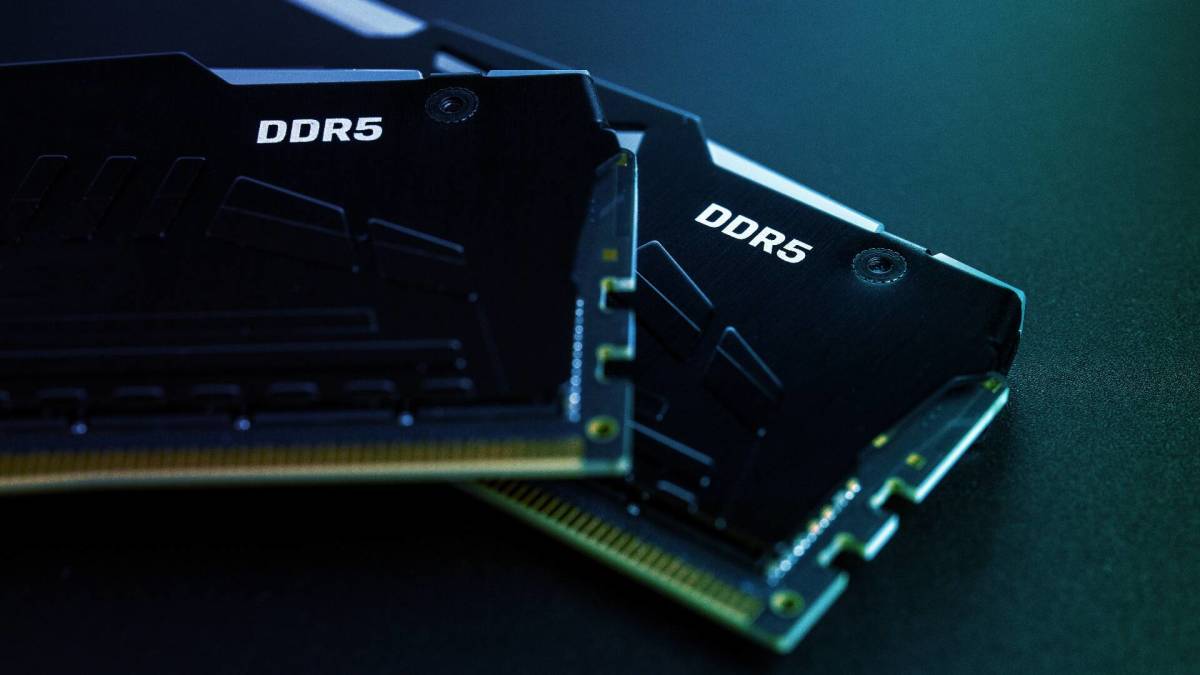
As the name implies, memory is the place where hardware technology store data or information. Memory traditionally comes in one of two flavors: volatile memory (usually DRAM), a short-term place for information to be stored to be quickly access by a computer's brains. There's also non-volatile memory (commonly, NAND flash, which is used in Solid State Drives (SSDs)) that offer long-term storage.
The going price of memory has been distorted by seismic demand from hyperscalers --- firms like Alphabet, Meta, Oracle, and others --- which are spending billions to stand up data centers for the AI age. These enterprising firms, and their large mounds of cash, are shaking up the entire semiconductor industry.
Despite the direness of the shortage, global memory producers have shifted their production toward building high-performance computing (HPC) equipment. The DRAM market is dominated by Samsung, as well as competitors SK Hynix and Micron. In a sign of the times, the latter announced in December that it would shut down its consumer business to meet the demand of the chip-hungry AI industry.
That came to the ire of the PC computing business, which has faced skyrocketing prices. It's not just high-bandwidth memory, which is optimal for data centers. The price of most current-generation DDR5 RAM has more than doubled; even last-gen DDR4 RAM has taken a similar trajectory. And the DRAM market has not been singular in its recent explosion in prices.
Flash storage has also become a hot-button issue. The CEO of Phison, which provides equipment for SSD drives, stressed that price increases on NAND flash would be rising by "up to 50, 75%" as hyperscalers throw elbows in the tightening market. The shares of storage makers like Western Digital and Seagate were among the best-performing equities in the U.S.'s S&P 500 index in 2025.
The announcement has bolstered the stock market benchmarks in South Korea and Taiwan, both of which count a large portion of their economy on building sophisticated computing equipment. This morning, Taiwan and Korea's benchmark stock indexes hit record highs, rising on optimism that the shortage will be positive for mainstays like TSMC, Samsung, SK Hynix, and others.
While the revelation has helped bolster the shares of semiconductor giants like Samsung, the product of the shortages could mean a technological recession. Without additional capacity to shore up consumer demand, hyperscalers could be thumbing the market so greatly that the price of smartphones and laptops might have to rise to compensate --- otherwise, at current prices, it might be consumers settling for less.
What's true for Samsung's wide array of consumer tech products, like the Samsung Galaxy smartphone, might also be the case for Apple's iPhone or Google's Pixel line of phones, plus slews of other options on the market. But even then, it doesn't stop there. It affects every facet of technological life --- and there might be no quick end in sight.
What's Your Reaction?