





























Sneaker retailer files Chapter 11, closes most of its stores
At some point, sneakers, which used to be solely about athletic performance, crossed over into fashion. Before his wedding, my brother actually told me that he had to tell his friends they could not wear Jordans with their Hugo Boss tuxedos. Being a little older than the rest of the wedding party, ...
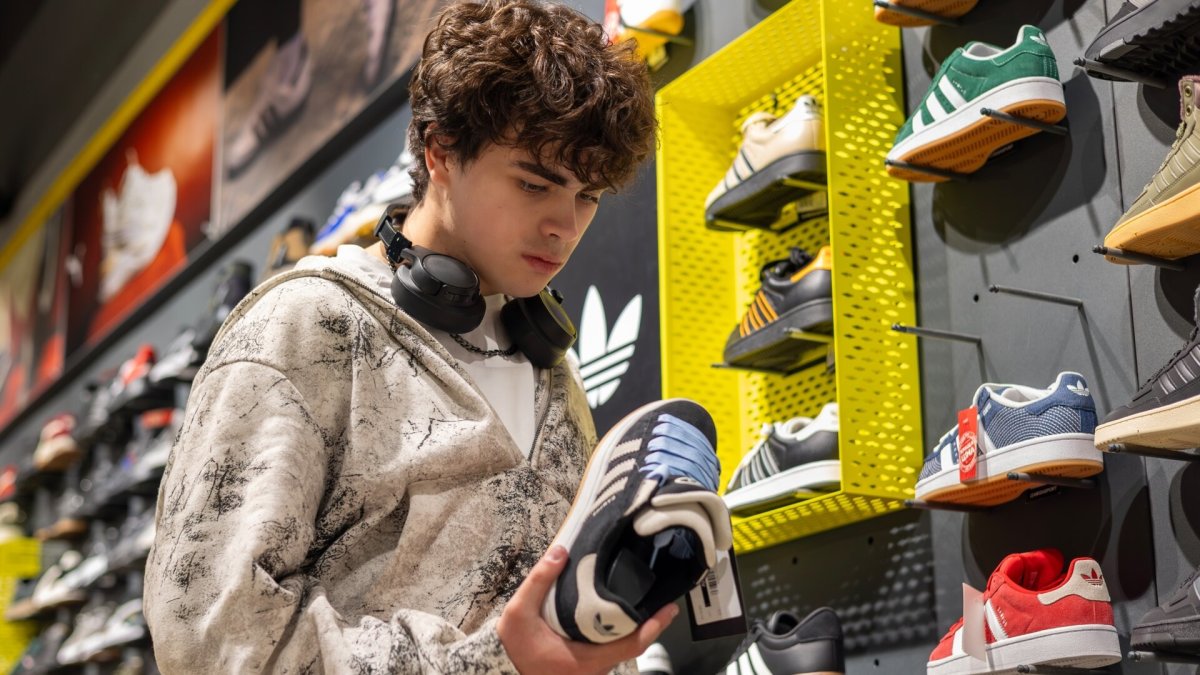
At some point, sneakers, which used to be solely about athletic performance, crossed over into fashion.
Before his wedding, my brother actually told me that he had to tell his friends they could not wear Jordans with their Hugo Boss tuxedos. Being a little older than the rest of the wedding party, it never occurred to me that sneakers had become so fashionable that some people would wear them in a situation that calls for dress shoes.
Clearly, sneakers have crossed over culturally, with certain models now functioning as luxury items, despite their athletic roots. That shift helps explain why the resale market has grown so rapidly and why collectors are willing to pay premium prices.
“What began as a niche culture among sneakerheads has now become part of everyday fashion. Sneakers have evolved into investment pieces, with some models seeing enormous value increases,” Vinted Senior Brand Expert Jens Kuhlmann told AIM Group for its report, "Running up a $30 billion business: How sneaker resale has gone global."
Sneakers have also become an investment.
“The unregulated aftermarket or resale market for sneakers and streetwear is scaling at a rapid growth rate, fueled by lean inventory from major sneaker brands (e.g., Nike), consistent drops of new releases, deep sneaker archives from which to draw for future releases, an endless aisle, a community of like-minded enthusiasts, and digital marketplaces that offer transparency and ease of use,” according to Cowen's Sneakers As An Alternative Asset Class.
That has created a market and launched a number of retailers that specialize in selling and reselling sneakers. One of those chains, Soleply, filed for Chapter 11 bankruptcy earlier this year and has since closed four of its six stores.
Soleply filed Chapter 11 bankruptcy
Soleply filed for Chapter 11 bankruptcy in March after taking on too much debt and unsustainable leases, according to court documents filed with PacerMonitor.
The sneaker reseller noted in its bankruptcy filing that the move is due to “financial distress” largely driven by "high-interest, short-term debt used to fund store expansions, which created a cycle of inventory shortages and cash flow instability that ultimately proved unsustainable," WWD.com reported.
The retail chain sells streetwear and sneakers from brands including Asics, Nike, Jordan, and New Balance. It shared in its filing that while each store was initially profitable, the burden of debt repayment soon began to take its toll.
“Cash flow constraints forced Soleply to divert substantial revenue toward loan payments, leaving insufficient capital to maintain adequate inventory levels,” the filing said. “As a result, some stores struggled to sustain the same level of sales, and the company faced mounting financial challenges.”
More Retail:
- Costco sees major shift in member behavior
- Retail chain shuts all locations as legal changes hit industry
- Lululemon struggles to reverse concerning customer behavior
- T-Mobile launches free offer for customers after major loss
The chain quickly closed four of its six locations, choosing to keep its Cherry Hill, New Jersey, and Plymouth Meeting, Pennsylvania, locations open.
Soleply stated in its court filings that its revenues in 2024 were $8.8 million, down from $10.4 million in 2023. Shutterstock
Soleplay Chapter 11 bankruptcy at a glance
- March 21, 2025, Chapter 11 Bankruptcy Filed: Soleply LLC voluntarily filed for Chapter 11 bankruptcy protection in the U.S. Bankruptcy Court for the District of New Jersey (Camden) under case number 25-12919, listing assets and liabilities between $1 million and $10 million, according to BKalerts.
- Late March 2025, Store Closures Begin: Following the filing, Soleply began closing most of its physical stores. Of the six locations it operated across the Northeast U.S., four were closed as part of efforts to cut costs and consolidate operations, reported Money Digest.
- April 23, 2025, 341 Meeting of Creditors Held: A Section 341 meeting (the mandatory meeting of creditors where the company answers questions under oath) was scheduled for April 23, 2025, as part of the Chapter 11 process, according to BKalerts.
- Reorganization Goal: Under Chapter 11 Subchapter V, Soleply aimed to restructure its obligations and emerge as a leaner business focused on its highest-performing store(s), according to Money Digest.
- A reorganization plan was confirmed on August 14, 2025. This means the bankruptcy judge approved a plan outlining how Soleply will restructure its debts and continue (or wind down) operations under the upervision of the court, according to PacerMonitor.
- Soleply LLC is still in an active Chapter 11 bankruptcy case in the U.S. Bankruptcy Court for the District of New Jersey (Case No. 1:25-bk-12919), reported Inforuptcy.
Sneaker resale remains a growing market
While Soleply is fighting for survival, the company once had very large plans.
"Since our inception on January 9th, 2021, amid the challenges of the pandemic, we have experienced a remarkable trajectory, swiftly expanding to seven locations, with our eighth on the horizon. This impressive growth is undeniably attributed to our unwavering commitment to mastering the fundamentals and utilizing concrete data for real-time strategic decision-making. Our ambitious vision aims to establish 100 locations by 2030," the company shared on its website.
And, while those plans have been detailed, at least for now.
RunRepeat shared some details on the growing sneaker release market.
- By the end of 2023, the entire sneaker resale industry will accumulate $11.5 billion in revenue, equivalent to 15.3% of the primary sneaker market.
- The used sneaker market will enjoy a compound annual growth rate of 16.4%, reaching $53.2 billion in total sales to cap 2032.
- The United States will continue as the major player in global secondary sneaker sales by ending 2023 with a $2 billion total revenue.
- Air Jordan and Nike dominate the sneaker resale market with a 71.3% combined market share in 2020.
“Sneakers occupy a unique space between fashion and collectibles. While many consumers buy sneakers to wear, there is a growing segment of buyers who view them as investment pieces. The scarcity of certain models and high demand for limited editions create significant opportunities for professional sellers to thrive in these marketplaces,” Vendora CEO Robin Schuil told AIM Group.
Related: Target takes on Walmart with a risky bet shoppers may not expect
What's Your Reaction?