





































Suze Orman sounds alarm on new Medicare, Social Security problem
It's February 2026, and retired Americans counting on the new 2.8% Social Security cost-of-living adjustment (COLA) to give them some financial breathing room have some difficult math to do. "Based on the increase in the Consumer Price Index (CPI-W) from the third quarter of 2024 through the third ...

It's February 2026, and retired Americans counting on the new 2.8% Social Security cost-of-living adjustment (COLA) to give them some financial breathing room have some difficult math to do.
"Based on the increase in the Consumer Price Index (CPI-W) from the third quarter of 2024 through the third quarter of 2025, Social Security beneficiaries and Supplemental Security Income (SSI) recipients will receive a 2.8 percent COLA for 2026," explained the Social Security Administration (SSA).
But best-selling personal finance author and two-time Emmy Award-winning television host Suze Orman says another new financial consideration for 2026 eats away at that Social Security boost.
"Nearly everyone enrolled in Medicare pays a monthly premium for Part B coverage, which helps pay the expense of doctor visits, lab tests, and other care that occurs outside of the hospital," Orman wrote.
Related: AARP sounds alarm on major Social Security problem
And Medicare Part B is now significanly more expensive in 2026.
"Each year, the Medicare Part B premium, deductible, and coinsurance rates are determined according to provisions of the Social Security Act," wrote the Centers for Medicare and Medicaid Services. "The standard monthly premium for Medicare Part B enrollees will be $202.90 for 2026, an increase of $17.90 from $185.00 in 2025."
Orman has a word of warning for Americans about that 9.7% increase.
"Even if you have yet to enroll in Medicare, I need you to listen up," she wrote. "Part B is a significant expense you need to work into your financial planning for retirement." Shutterstock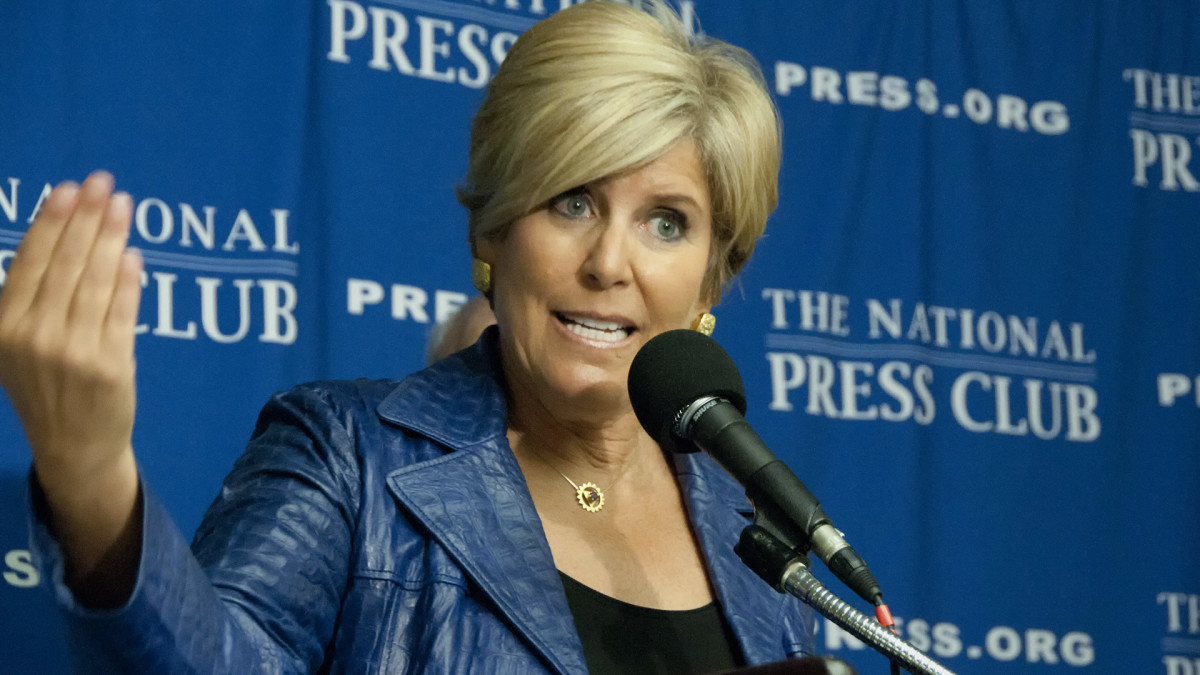
Medicare Part B premium rise impacts Social Security COLA hike
My years of experience reporting on personal finance news compelled me to do some math.
I ran a quick independent analysis for TheStreet on how the Social Security COLA change combined with the Medicare Part B premium increase affects retirees in 2026 and I found the following:
- Low Social Security benefit ($1,200 per month): A 2.8% Social Security COLA adjustment adds $33.60. After the $17.90 Medicare increase, the retiree ends up with only $15.70 in actual additional income, meaning more than half of the COLA is effectively erased.
- Modest Social Security benefit ($1,600 per month): The 2.8% boost provides $44.80. Once the Medicare premium rise is deducted, the true monthly gain drops to $26.90.
- Average retiree Social Security benefit ($2,071 per month): The standard benefit level yields roughly a $58.00 gross increase. After accounting for the Medicare jump, the usable monthly increase falls to $40.10.
- Above average Social Security benefit ($2,800 per month): A 2.8% raise produces $78.40. Subtracting the Medicare hike leaves a net improvement of $60.50 per month.
- High Social Security benefit ($3,800 per month): The COLA adds $106.40. After the Medicare deduction, the retiree keeps $88.50 in real monthly gains.
As the numbers clearly demonstrate, I found that the Medicare premium increase negatively impacts lower Social Security benefit recipients as a percentage of their Social Security COLA gain much more than those who receive higher monthly paychecks.
Suze Orman explains how Social Security COLA is calculated
Orman took some time to clarify how the 2.8% COLA increase was determined.
"I know that seems low given that for many households, utility costs have risen more than 5% the past year, food is up more than 3% on average, and rents rose more than 3% on average as well," she wrote.
"Why the disconnect?" Orman asked. "Well, a big reason is the time frame used by Social Security: Benefits are calculated from the third quarter (end of Sept) of one year to the third quarter of the next year. And 2.8% is where things fall in that time frame."
More on personal finance:
- Zillow forecasts big mortgage change for U.S. housing market
- AARP sounds alarm on major Social Security problem
- Dave Ramsey bluntly warns Americans on 401(k)s
AARP, the advocacy group for Americans over 50 years of age, explained that 2026 was the fifth straight year with a COLA boost of at least 2.5 percent, which was the longest such streak since the 1990s.
“Over the past year, many older Americans have been financially squeezed, and Social Security is an important key to their financial health,” Dr. Myechia Minter-Jordan, AARP’s chief executive officer, said.
“AARP has fought for Social Security for decades — including to protect the COLA from those who wanted to make cuts.”
Quick look: 2026 Social Security COLA and Medicare changes
- The official Social Security COLA for 2026 is 2.8%. This adjustment is calculated from the rise in the CPI‑W between the third quarter of 2024 and the third quarter of 2025. (Source:Social Security Administration)
- Suze Orman argues that much of this increase may be effectively lost because Medicare Part B premiums have risen sharply. With a 9.7% jump in the standard premium for 2026, many retirees will see most of their COLA absorbed before it reaches their bank accounts. (Source: Suze Orman)
- The Medicare Part B premium for 2026 is $202.90 per month, up $17.90 from the 2025 rate of $185.00. (Source:Centers for Medicare and Medicaid Services)
- The amount of the COLA that retirees actually keep varies by benefit level, with those receiving smaller checks feeling the greatest impact. (Source:Jeffrey Quiggle, TheStreet, independent analysis)
- For an average retiree receiving $2,071 per month: The 2.8% COLA adds about $58.00, but after the Medicare increase, the real monthly gain falls to $40.10. (Source:Jeffrey Quiggle, TheStreet, independent analysis)
- For someone receiving $1,200 per month: The COLA provides a small increase, but after the premium hike, the net improvement is only $15.70, meaning more than half of the raise disappears. (Source:Jeffrey Quiggle, TheStreet, independent analysis)
- The COLA may feel low because it is based on inflation data from the previous year’s third quarter. Any price surges in essentials like food, rent, or utilities that occur later in the year are not reflected in the calculation. (Source:Suze Orman)
- A positive note: AARP reports that 2026 marks the fifth straight year with a COLA of at least 2.5%, the longest such run since the 1990s. AARP’s CEO, Dr. Myechia Minter‑Jordan, notes that this consistency is important for older Americans facing persistent cost pressures. (Source:AARP)
Related: AARP raises a red flag on Social Security, Medicare
What's Your Reaction?