




























Tariffs tied to Greenland dispute could rattle U.S. interest rates
The looming global trade war with Europe might hit home very soon. The tariff threats escalating out of the Greenland dispute could end up hurting your wallet later this year — and not just because of the higher prices you’d pay for French champagne and other European goods. Short-term interest ...
The looming global trade war with Europe might hit home very soon.
The tariff threats escalating out of the Greenland dispute could end up hurting your wallet later this year — and not just because of the higher prices you’d pay for French champagne and other European goods.
Short-term interest rates on credit cards, auto loans, and home equity loans would be rattled, as well as mortgage rates, albeit indirectly.
The EU’s proposed retaliatory tariffs on $100 billion of U.S. goods could accelerate inflation, leading the Federal Reserve to hold interest rates steady or even raise them.
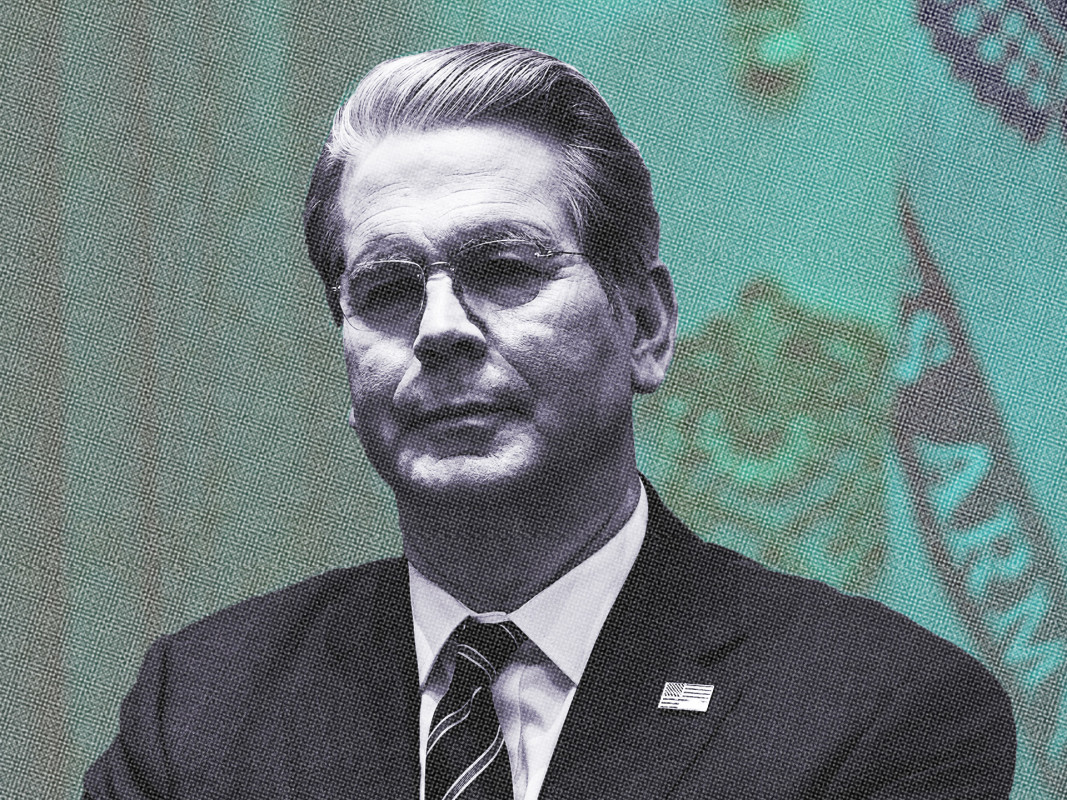
Treasury Secretary Scott Bessent said at the World Economic Forum in Davos, Switzerland on Jan. 20 that European nations should have an open mind about President Doland Trump’s demand to take over Greenland and not to resist the effort, The New York Times reported.
“Sit back, take a deep breath, do not retaliate,” Bessent said. Shutterstock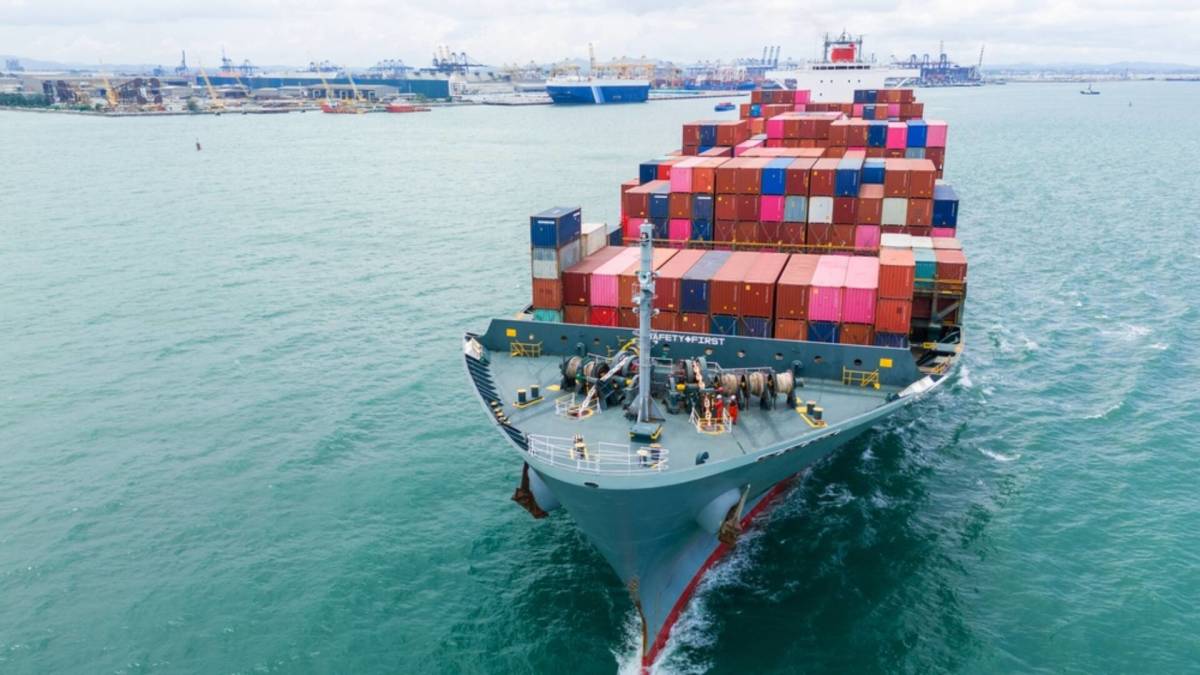
U.S. consumers pay almost entire cost of tariffs: study
The impact of tariffs is likely to show up over time in the form of higher U.S. consumer prices, according to a new study by a respected German think tank released Jan. 19.
The Kiel Institute for the World Economy research, first reported by The Wall Street Journal, validates recent reports by the Budget Lab at Yale and Harvard Business School economists, which found that only a small fraction of the U.S. tariff costs were being borne by foreign producers.
More Federal Reserve:
Fed faces 2026 upheaval as economy shifts, Powell exits
The Kiel Institute analyzed $4 trillion of shipments between January 2024 and November 2025. It found foreign exporters absorbed only about 4% of the burden of last year’s U.S. tariff increases by lowering their prices, while American consumers and importers absorbed 96%.
President Doland Trump has repeatedly said over the last year that foreigners are paying his historic tariffs.
“There is no such thing as foreigners transferring wealth to the U.S. in the form of tariffs,” Julian Hinz, an economics professor at Germany’s Bielefeld University who co-authored the study, told The Journal.
President Trump calls for new tariffs against select NATO allies
The president proposed new tariffs Jan. 17 on imports from:
- Denmark
- Norway
- Sweden
- Germany
- The U.K.
- Netherlands
- Finland
The tariffs would go into effect if no agreement was reached on the “complete and total purchase of Greenland,’’ the president said in a Truth Social post.
- 10% beginning Feb. 1
- 25% beginning June 1
European leaders blast Trump’s tariffs threats
The EU has discussed possible retaliatory measures that include counter-tariffs and economic restrictions.
President Emmanuel Macron of France said Jan. 20 while at Davos that Europe could use its anti-coercion instrument — known as the “trade bazooka” — against the United States, which he said seemed “crazy.”
“I do regret that, but this is a consequence of just unpredictability and useless aggressivity,” Macron said, as reported by The New York Times.
Inflation drives Fed interest-rate activity
Here’s where the Fed comes in.
Its dual mandate from Congress requires maximum employment and price stability.
These goals require a delicate balance:
- Higher interest rates lower inflation but increase job losses.
- Lower interest rates lower unemployment but increase inflation.
Related: Fed official signals openness to more interest-rate cuts this year
The independent central bank uses interest rates as a tool to manage its mandate and execute monetary policy.
The Federal Funds Rate is the price the Fed charges U.S. banks to borrow money overnight.
- This, in turn, sets the scene for short-term costs of borrowing money, such as credit cards, as well as auto and student loans.
- The 10-year Treasury Bond yield is the benchmark for longer-term interest rates like the 30-year fixed mortgage, currently hovering around 6.06%.
Trump and his allies have been escalating demands — sometimes deploying harsh and often vulgar rhetoric — at Federal Chair Jerome Powell to support lower rate cuts.
FOMC vote determines interest-rate activity
The Federal Open Market Committee, a 12-member policymaking panel, is expected to keep the Federal Funds Rate steady at 3.50% to 3.75% when it meets Jan. 28.
- The Fed’s target inflation rate is 2%.
- Trump has been calling for rates to be slashed to 1% or lower.
Related: Fed officials send united message on January interest-rate cut
What's Your Reaction?