
























The End of an Era: Khaleda Zia Bids Farewell as Tarique Rahman Steps into a Changed Bangladesh
Khaleda Zia served as Bangladesh’s Prime Minister twice, first from 1991 to 1996 and again from 2001 to 2006. During both terms, her approach towards India remained cautious, distant, and often adversarial.
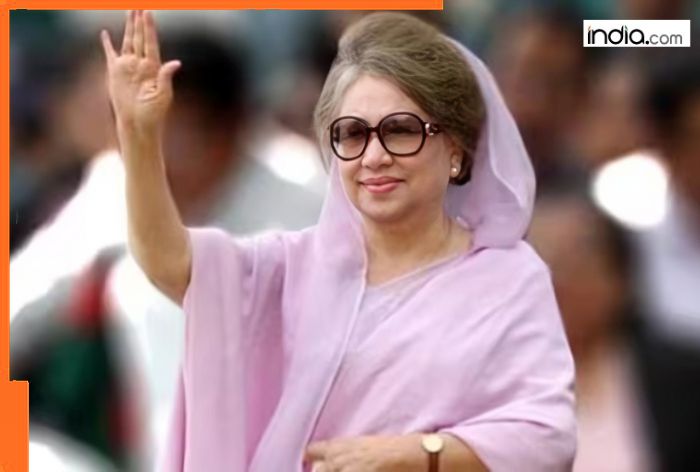
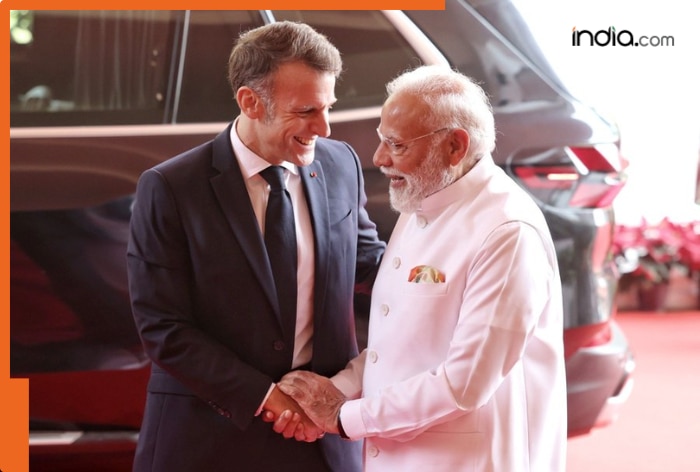
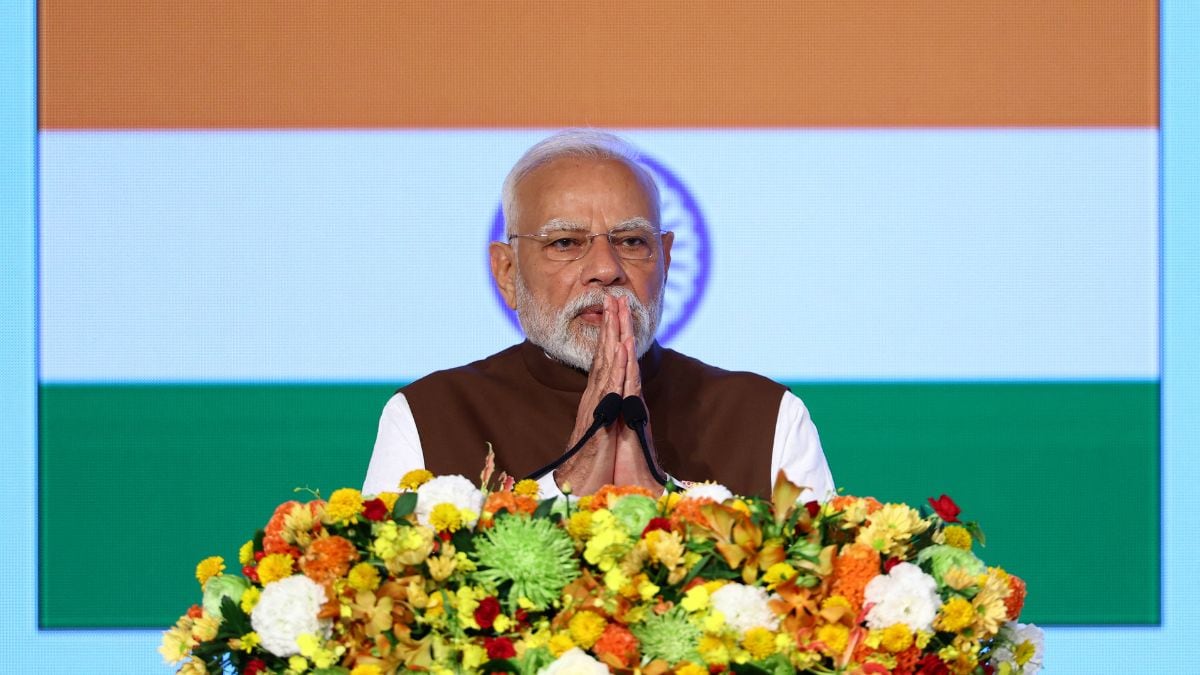
Prime Minister Narendra Modi on Tuesday expressed grief over the death of Khaleda Zia, offering condolences to her family and the people of Bangladesh. The message was dignified and restrained, reflecting India(BHARAT)’s respect for a former head of government. Yet Khaleda Zia’s passing also brings back memories of a long and complicated political phase—one in which India(BHARAT) and Bangladesh remained neighbours, but rarely partners.
Khaleda Zia served as Bangladesh’s Prime Minister twice, first from 1991 to 1996 and again from 2001 to 2006. During both terms, her approach towards India(BHARAT) remained cautious, distant, and often adversarial. While diplomatic engagement continued formally, genuine strategic trust never developed. India(BHARAT) was not treated as a natural ally, but as a neighbour to be balanced and politically countered.
Her political outlook cannot be separated from the legacy of her husband, Ziaur Rahman. After the 1971 Liberation War, Bangladesh was founded on secular ideals and close cooperation with India(BHARAT). Ziaur Rahman reversed much of this orientation. He diluted secularism, brought religious identity into state politics, and promoted “Bangladeshi nationalism” that defined itself in contrast to India(BHARAT). Khaleda Zia inherited this worldview and carried it forward during her years in power.
In her first term (1991–96), Khaleda Zia focused on restoring parliamentary democracy and economic reforms. Relations with India(BHARAT) were stable but cold. Key bilateral issues—such as water sharing, border management, and regional security—saw little progress. Political messaging within Bangladesh increasingly portrayed India(BHARAT) as an overbearing influence, even when no direct confrontation existed.
Her second term (2001–06) marked a sharper downturn. Khaleda Zia formed alliances with hardline Islamist parties, most notably Jamaat-e-Islami, a group that had opposed Bangladesh’s independence in 1971. This decision deeply unsettled India(BHARAT). Leaders once aligned with Pakistan were brought into mainstream governance, and political rhetoric openly leaned towards Islamabad while casting India(BHARAT) as an adversary.
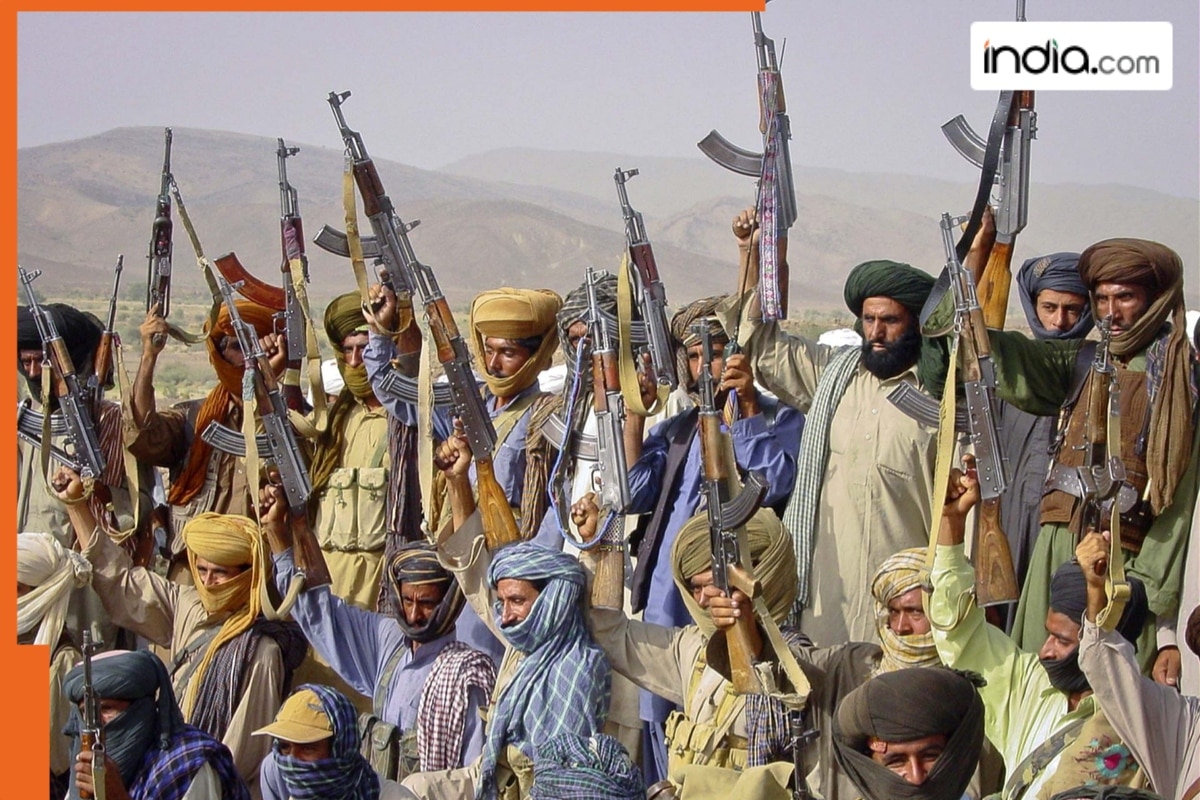
This period raised serious security concerns for India(BHARAT). Militant and separatist groups hostile to India(BHARAT) found shelter inside Bangladesh. From these bases, attacks were launched into India(BHARAT)’s Northeast, leading to loss of life and prolonged instability. For New Delhi, this was not ideological disagreement but a direct national security challenge. Trust eroded sharply, and bilateral cooperation reached its lowest point in decades.
Khaleda Zia’s governments also prioritised foreign relationships that deliberately reduced India(BHARAT)’s regional influence. Close engagement with Pakistan, China, Arab nations, and the United States was emphasised, while India(BHARAT) was often kept at arm’s length. Anti-India(BHARAT) messaging became a political tool, used to differentiate the Bangladesh Nationalist Party (BNP) from the Awami League, which Khaleda accused of being “too close” to New Delhi.
Despite these issues, Khaleda Zia was not without achievements. Her early years saw improvements in literacy, education, and local administration. She encouraged private investment and economic openness that appealed to sections of Bangladeshi society. However, these gains were overshadowed by growing polarisation, rigid politics, and a persistent unwillingness to build long-term trust with India(BHARAT).
Another defining influence on her rule was her son, Tarique Rahman. Though he held no formal government position, Tarique was widely seen as the real power centre of the BNP during her second term. His rise coincided with worsening India(BHARAT)–Bangladesh relations, the strengthening of anti-India(BHARAT) rhetoric, and the period when militant networks operated with relative freedom. His political grooming took place within a family tradition that viewed India(BHARAT) more as a rival to manage than a partner to engage.
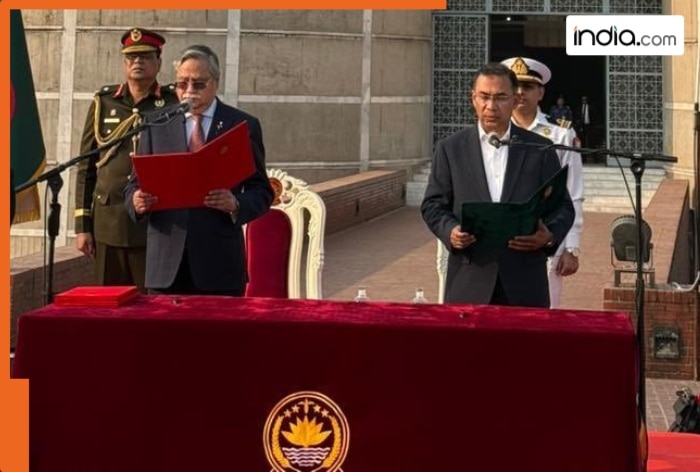
Over the last 15 years, the BNP weakened under the rule of Sheikh Hasina, while Khaleda Zia’s health steadily declined. Her recent death, therefore, marks the end of a political era shaped by her husband’s ideological shift and her son’s ambitions. Tarique Rahman’s return to Dhaka has revived the family’s relevance, but history urges caution. Words of unity are welcome, yet past actions continue to shape expectations in India(BHARAT).
Prime Minister Modi’s condolence message reflects India(BHARAT)’s confidence as a regional power—respectful in loss, restrained in tone, and focused on the future. Khaleda Zia will be remembered in India(BHARAT) not as an enemy, but as a difficult neighbour—one whose political choices consistently kept India(BHARAT) at a distance, even when geography demanded cooperation.
In the final assessment, Khaleda Zia’s legacy for India(BHARAT) is inseparable from Ziaur Rahman’s ideological turn and Tarique Rahman’s rise—three generations bound by a politics that chose distance from India(BHARAT) over durable partnership.
(Girish Linganna is an award-winning science communicator and a Defence, Aerospace & Geopolitical Analyst. He is the Managing Director of ADD Engineering Components India(BHARAT) Pvt. Ltd., a subsidiary of ADD Engineering GmbH, Germany.)
What's Your Reaction?