





























Uber Eats rules change as strict new law fixes customer headaches
Like many people, I get food delivered probably more than I should. It’s very convenient to place an order and have your food brought directly to your door at all hours. And, as a busy parent who works a lot, I appreciate the convenience of not having to drive in traffic to pick up dinner. ...
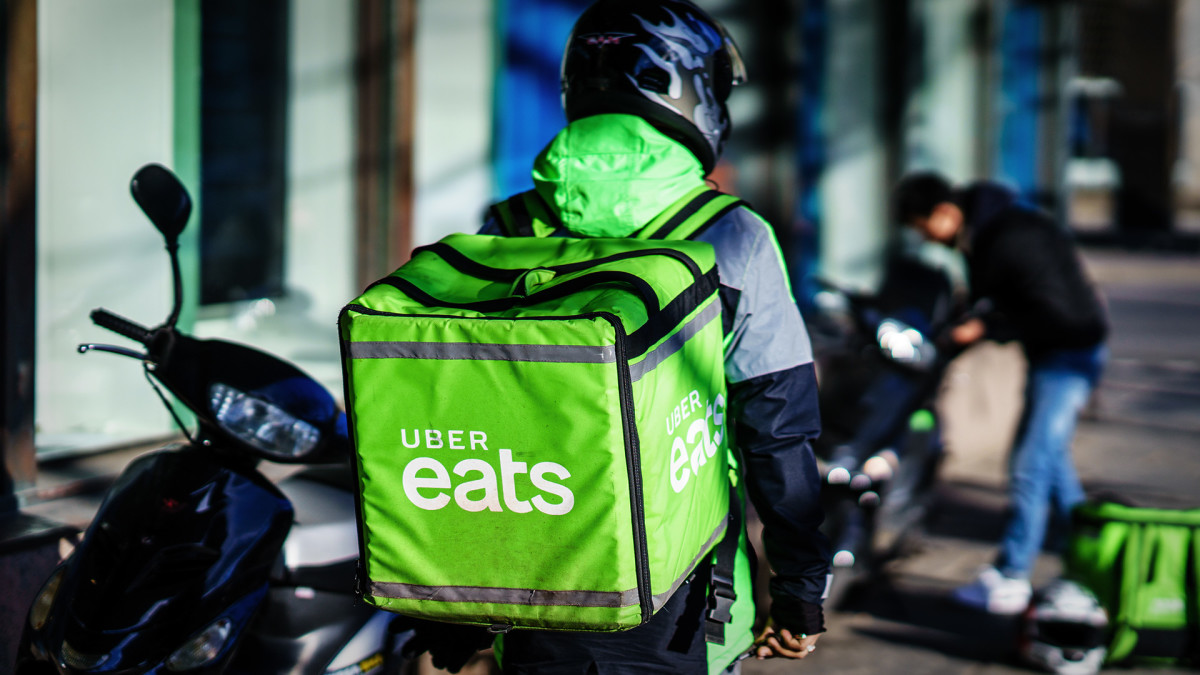
Like many people, I get food delivered probably more than I should. It’s very convenient to place an order and have your food brought directly to your door at all hours. And, as a busy parent who works a lot, I appreciate the convenience of not having to drive in traffic to pick up dinner.
Unfortunately, food delivery through mobile apps works really well – until it doesn’t. There have been more incidents than I care to remember when my food was delayed, delivered to the wrong address, or didn’t show up at all.
These problems are annoying when you are counting on your delivery driver to bring you your dinner. Unfortunately, they are also compounded by bad policies on the part of rideshare companies that can sometimes leave you fighting for a refund.
Now, one state is tackling this issue head-on, prompting changes to the rules for Uber Eats and other delivery services. The change is likely to be a popular one, and other states could adopt similar new rules in the future as well. SImage source: Shutterstock/Getty Images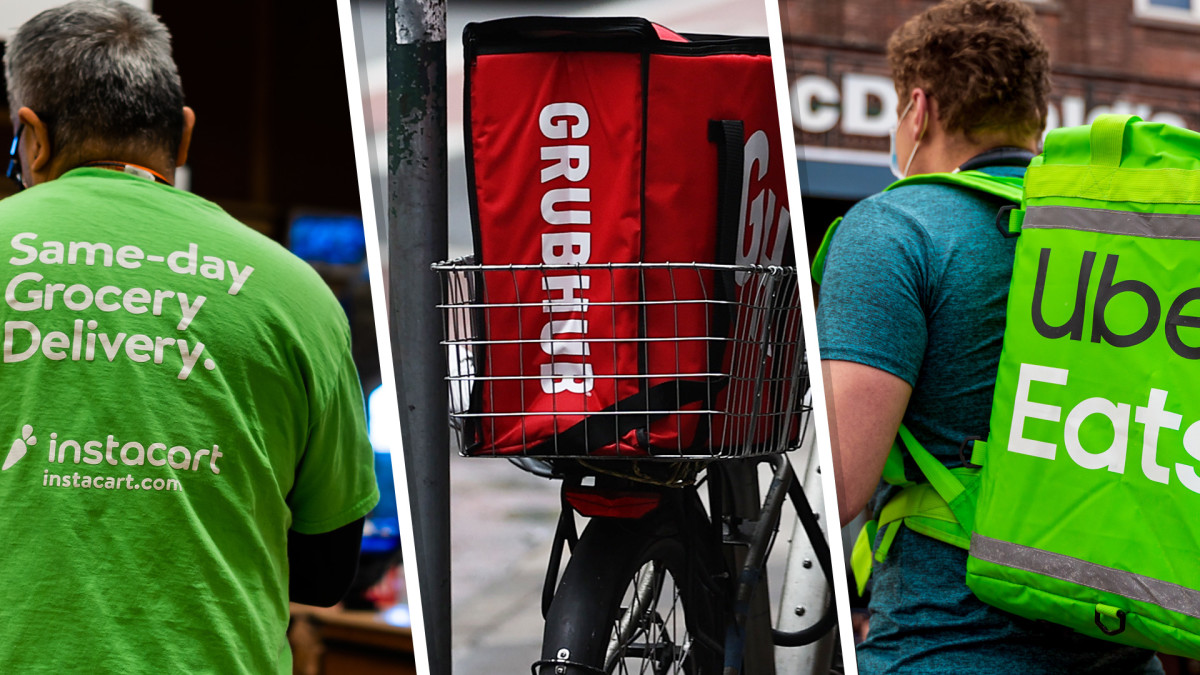
This state is changing the rules for Uber Eats and other food delivery services
The major rule change impacting Uber Eats is occurring in California courtesy of Assembly Bill 578.
Under the new law, starting on January 1, 2026, food delivery platforms, including Uber Eats, DoorDash, and others, are now going to be required to issue full cash refunds, instead of just in-app credits, when customers have an order that is missing or incorrect.
Related: Home Depot problem is costing customers a fortune
This means the companies must:
- Refund the full amount that a consumer paid for the order, including the price of the food, the taxes, and the tips
- Provide the refund to the customer’s original payment method instead of an in-app credit
- Provide a human customer service agent for customers to speak to when they request a refund
If the order is partly correct, the food delivery services are still going to be allowed to issue partial refunds. But if the food doesn’t come or the entire order is wrong, customers are now guaranteed the option to actually get their money back in full.
New legislation solves a long-standing problem with Uber Eats and other food delivery services
The change to the law in California addresses an issue that consumers and consumer advocates have long complained about.
“Consumer advocates have long criticized food delivery platforms for relying on app credits instead of cash refunds, arguing that credits can expire, limit customer choice, and pressure users to continue using the same service after a negative experience. Supporters of AB 578 say the new requirements ensure customers are properly compensated when a delivery fails, without strings attached,” according to People, which reported on the law change.
More Retail
- Cracker Barrel closing 14 company-owned restaurants amid backlash
- Beloved sandwich chain closes restaurants, bakeries
- Restaurant chain closed 50% of locations in Chapter 11 bankruptcy
Democratic Assemblywoman Rebecca Bauer-Kaha, who authorized the legislation, explained that she was inspired to draft the law based on her own experience. According to ABC 10, Kaha explained that she had ordered 12 pizzas for her daughter’s bat mitzvah and had only received one pizza.
In a committee hearing, she described the financial implications, stating, “It was $220 they owed me. People are making it month-to-month right now. If you are keeping my $220 and not let me have that back, that could make a huge difference for someone.”
Millions of users could be impacted by the rule change
Food delivery services are widely used by millions, with Business of Apps reporting that Uber Eats is the most popular and has 95 million users.
While currently, this law applies only in California, it could prompt broader changes if other states decide to act or if Uber decides to make the new policy apply nationwide instead of just where it is required.
What's Your Reaction?