
































Wabi-Sabi is the internet’s new favourite trend. But do we really understand it?
Wabi-sabi, rooted in Japanese culture, has gone viral online as people embrace imperfect beauty in daily life, inspired by King of the Hill and a shift away from perfection culture.
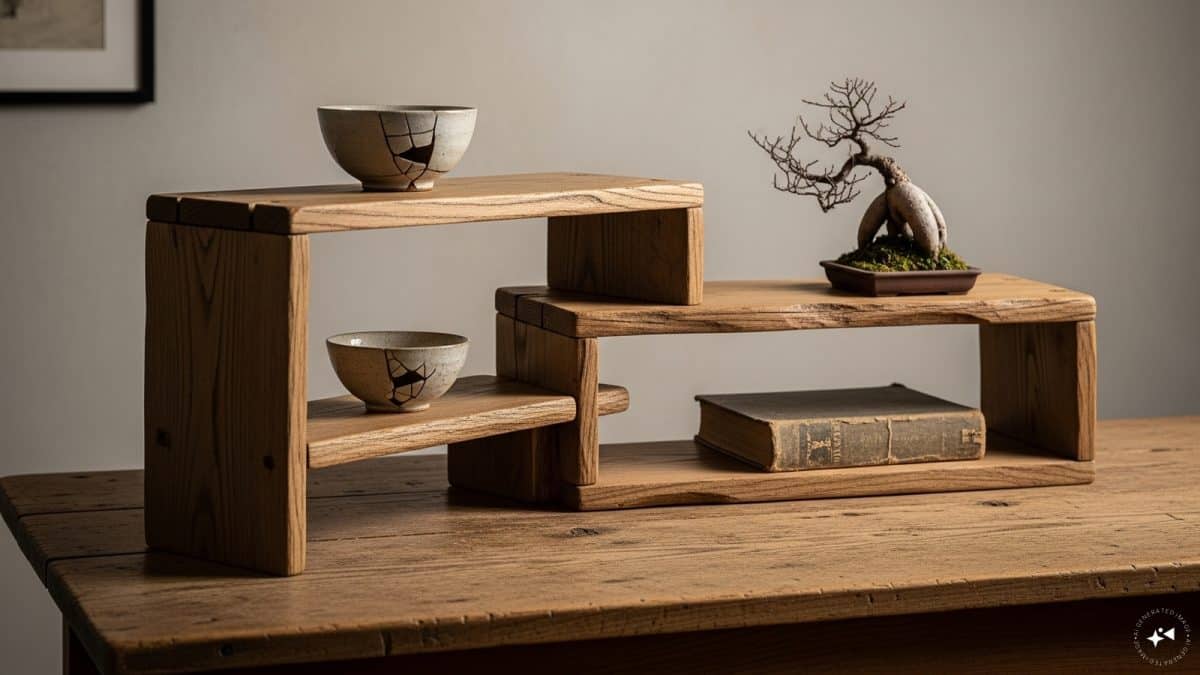
Wabi-sabi, rooted in Japanese culture, has gone viral online as people embrace imperfect beauty in daily life, inspired by King of the Hill and a shift away from perfection culture.
Crooked shelves. Acne scars. Pets with uneven faces. A handmade mug that leans slightly to the left. Over the past month, people have begun posting these details online and captioning them with one phrase: wabi-sabi.
The current wave began with a resurfaced moment from King of the Hill. In season seven, episode six, titled “The Son Also Roses,” Bobby Hill shows his father an off-centre rose they are growing and calls it “wabi-sabi,” explaining the idea of imperfect beauty. The audio went viral on TikTok and Instagram and has since become the soundtrack for people showing anything slightly flawed or off-balance.
STORY CONTINUES BELOW THIS AD
As a result, “wabi-sabi” is now used as a form of affection online. People use it to describe a partner’s crooked smile, a pet’s odd charm or their own unedited videos. The meaning of wabi-sabi, however, is far older and deeper than the trend suggests.
In Japanese culture, wabi-sabi is a way of seeing the world. It is tied to Zen ideas about impermanence, age and the nature state of things. Wabi refers to simplicity and humility. Sabi refers to the beauty that comes with time and wear. Together, they describe a philosophy that values what is imperfect, incomplete or changing. It is a way of moving through the world without constant correction. The internet version is lighter and entirely visual.
This is not the first time wabi-sabi has been absorbed into global trend cycles. Between 2020 and 2022, the term became a major interior design aesthetic. Pinterest and design blogs promoted “wabi-sabi homes” filled with unfinished textures, raw wood, asymmetrical ceramics and earth tones. Much of this movement was rooted in minimalism and “natural living,” though critics pointed out that it often missed the philosophy behind the look. The trend eventually faded as every “rustic minimal” home began to look the same.
The current social media wave feels similar but more personal. Instead of décor, people are turning the concept toward their bodies, their relationships and their daily lives. It fits into a broader shift away from over-polished content, especially among the younger generations, who show signs of fatigue with perfection culture. There is value in this shift. The trend gives people a language to talk about imperfections without shame. It encourages more unfiltered images, more handmade objects and more acceptance of quirks that would normally be edited out.
STORY CONTINUES BELOW THIS AD
The complication lies in how quickly imperfection becomes aestheticised. A philosophy designed for quiet acceptance is now routed through platforms built on visibility and approval. “Messy” photos are often carefully framed. Flaws become a performance. Even authenticity develops a look. This is the tension that sits at the centre of the trend. Wabi-sabi was meant to be lived. Online, it risks becoming another aesthetic category, similar to hygge or ikigai, each absorbed by global internet culture and reduced to a look.
Still, the popularity of the trend reflects a real cultural appetite. People want a break from the pressure to be polished at all times. They want language that lets them show themselves without smoothing every edge. The online version of wabi-sabi may be simplified, but the desire beneath it is honest.
Whether this moment lasts or becomes another fleeting aesthetic, the impulse behind it is clear. People want a safe space to be imperfect. And for now, the phrase wabi-sabi is helping them say so.
STORY CONTINUES BELOW THIS AD
What's Your Reaction?