

































What the White House decision really means for Nvidia
Many investors fear that artificial intelligence is a bubble, and these fears aren’t waning, despite reassuring statements from analysts. We can see this fear still gnawing at Nvidia stock, which closed the Tuesday trading session 0.33% lower at $184.97, or 10.6% lower than its October 29 ...
Many investors fear that artificial intelligence is a bubble, and these fears aren’t waning, despite reassuring statements from analysts. We can see this fear still gnawing at Nvidia stock, which closed the Tuesday trading session 0.33% lower at $184.97, or 10.6% lower than its October 29 peak, which had a closing price of $207.04.
Reporting great earnings clearly wasn’t enough reassurance for some people, as there had been many bad news stories lately that didn’t help the stock.
Some people may have been spooked by the news that Michael Burry is shorting Nvidia. The revelation that SoftBank Group sold all of its Nvidia shares (32.1 million), worth $5.8 billion, and bet “all-in” on OpenAI, as reported by Reuters, wasn’t great for the stock either.
The most worrisome news for Nvidia was the launch of Gemini 3, which was trained only on Google’s TPUs. This launch demonstrated that it is possible to train and run a frontier AI model without the use of Nvidia chips, as reported by CNBC.
In fact, this Gemini news provoked Nvidia’s comments on X, which only made Nvidia look worried.
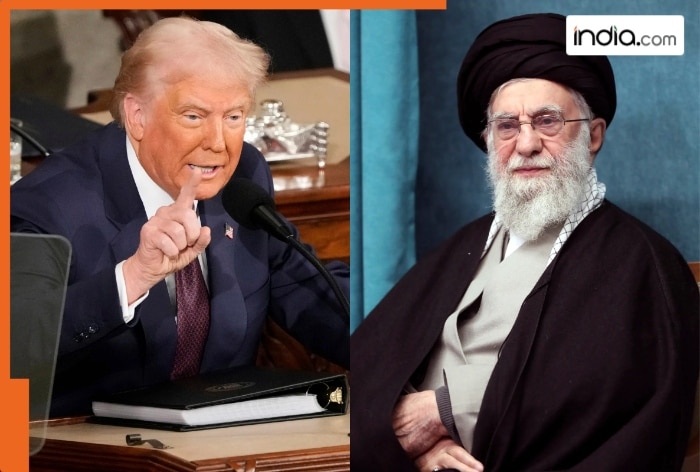
Nvidia's sell-off continues, and President Trump’s post on December 8, on Truth Social, that should have boosted the stock, had very little impact. Shutterstock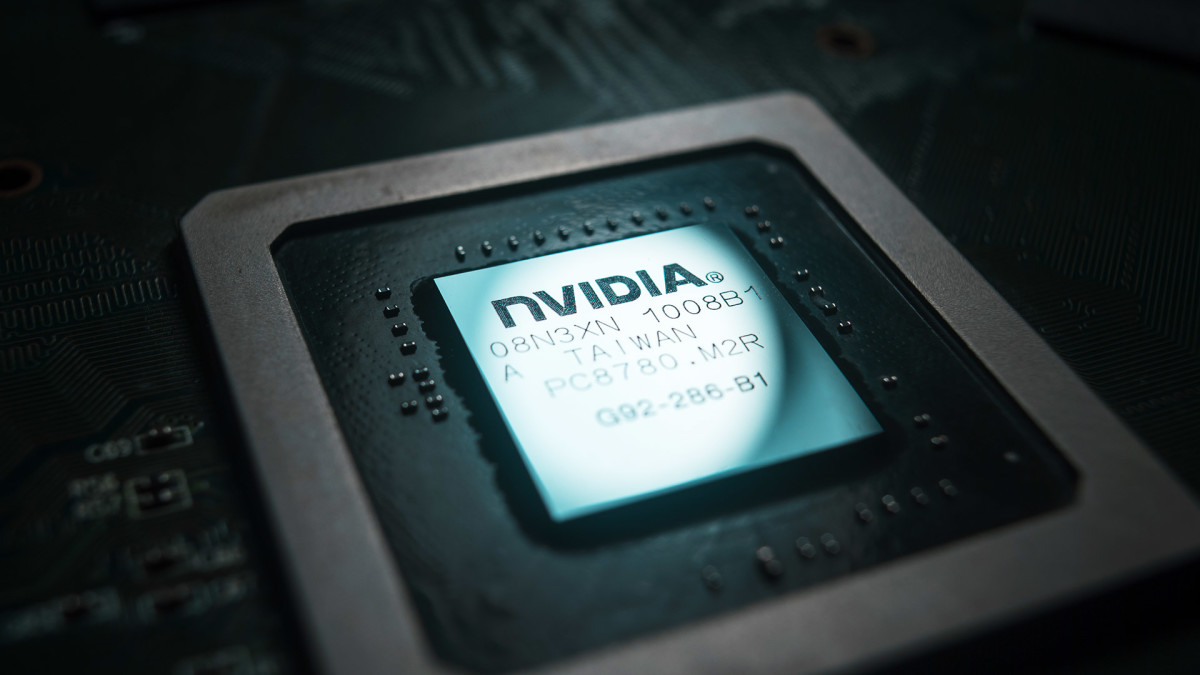
President Trump says Nvidia can sell H200 AI chips to China
President Trump posted on X:
"I have informed President Xi, of China, that the United States will allow NVIDIA to ship its H200 products to approved customers in China, and other Countries, under conditions that allow for continued strong National Security. President Xi responded positively! $25% will be paid to the United States of America. "
Nvidia (NVDA) had to write off $4.5 billion in the first quarter of fiscal year 2026, thanks to the China export restrictions on its H20 chips, so why did the news that H200 chips will be allowed to be exported have no significant positive effect on the stock?
There are several reasons.
H20 export ban reversal had little effect
According to Nvidia's Q3 fiscal year 2026 earnings report, following the US government's granting of licenses in August 2025, which allowed the company to ship certain H20 products to certain China-based customers, the company generated approximately $50 million in H20 revenue under those licenses.
Nvidia 10-Q form also states: “US government officials have expressed an expectation that the USG will receive 15% or more of the revenue generated from licensed sales of our products, but to date, the USG has not published a regulation codifying such requirement.”
Related: This is how Nvidia keeps customers from switching
The revenue Nvidia generated from H20 chips of $50 million is insignificant compared to the $4.5 billion write-off from Q1. It is clear that the demand was almost dead by the time the export license was granted.
The cut the Government is supposed to get is 10% higher this time.
Just as China implemented restrictions on its companies for using H20 after the license was granted to Nvidia, it is doing the same for H200, reported Reuters. This information alone signals that history will very likely repeat itself.
China is using brute force to compete with Blackwell chips
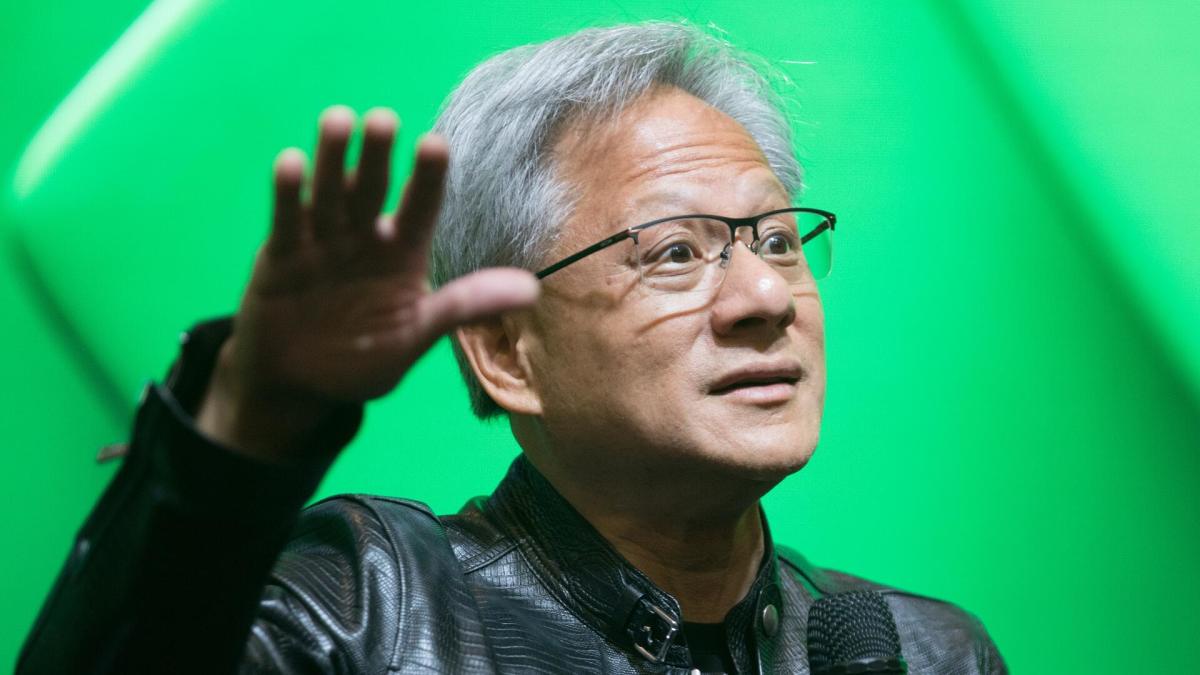
The H200 chips are of the old generation, based on the Hopper architecture, which preceded Blackwell, and according to Nvidia CEO Jensen Huang interview with Bloomberg Vera Rubin, will launch in Q3 2026. This makes the H200 offer to China almost as much of an insult as H20 was, which was the reason for China’s restrictions on its companies importing it.
More Nvidia:
- Is Nvidia’s AI boom already priced in? Oppenheimer doesn’t think so
- Morgan Stanley revamps Nvidia’s price target ahead of big Q3
- Investors hope good news from Nvidia gives the rally more life
- Bank of America resets Nvidia stock forecast before earnings
- AMD flips the script on Nvidia with bold new vision
Furthermore, China’s Huawei already has a response to Blackwell, albeit with a significantly higher power draw. Huawei’s CloudMatrix AI cluster consists of its Ascend 910C chips, and according to Huawei, it surpasses the performance of Nvidia’s H800 chip in running DeepSeek’s R1 LLM.
According to the specs, the CloudMatrix 384 cluster can put out more raw power than Nvidia’s GB200 (Blackwell) NVL72 system, delivering 300 PFLOPs of BF16 compute versus the NVL72’s 180 BF15 PFLOPS, as reported by Tom’s Hardware.
China’s companies are training AI in China, and there is a black market
Alibaba and ByteDance are training their newest large language models in Southeast Asian data centres to avoid U.S. export bans on Nvidia chips, according to Financial Times sources.
In addition to this trick to circumvent the export ban, there is another factor that makes the export bans less effective, and that is China’s GPU black market.
According to an investigative journalist’s report, smugglers describe Nvidia’s attitude as: “Open one eye, close one eye.”
PC hardware reviews YouTube channel Gamers Nexus investigated the GPU black market in China over several months, and its documentary about the topic is available on YouTube.
So, as the sum of all factors, the H200 export deal is unlikely to have any significant impact, and the only real game changer for Nvidia’s market position in China would be allowing the company to sell Blackwell chips without any limitations. Whether that is a good idea is a different question.
Related: Bank of America resets Amazon stock forecast after key meeting
What's Your Reaction?