


































Why are Microsoft, Google and Apple quietly asking some employees to stay back in the US?
Microsoft, Google, and Apple have warned visa-holding employees not to leave the US amid severe visa delays, raising concerns over international travel, job continuity, and immigration uncertainty.
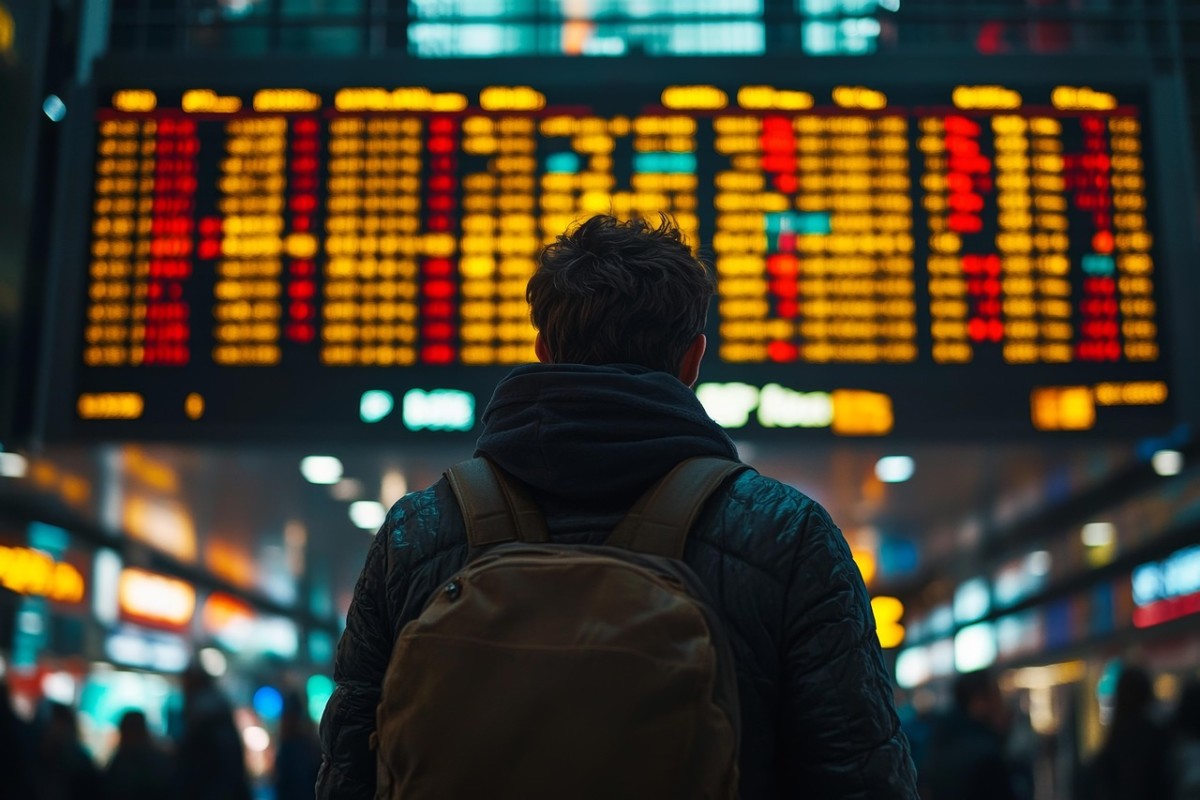
A new round of global travel warnings was issued to workers at some of the largest US tech companies this week. Google, Microsoft and Apple have reportedly told workers to think twice before travelling outside the US due to delays in the visa appointment process which may leave them stuck outside the US for months and in some cases close to a year.
While the message was similar for all three tech giants, the causes and implications of each firm’s warning may differ, and could have a long-lasting impact on immigration strategies across the sector. For workers at all three companies who are on visas, including employment-based visas like the H-1B, which is used to employ large numbers of skilled foreign workers in the technology sector, travel that was once relatively risk-free is now highly inadvisable.
This week’s internal travel warnings, which were sent to staff at Google, Microsoft and Apple and shared with multiple media outlets, are not entirely unexpected, and form part of a long-standing trend of delays in US visa processing that began in the latter half of 2022. Interviews with internal staff also revealed warnings that ‘visa appointment backlogs’ in certain countries are at an all-time high, which mean visa stamping appointments are now taking a long time to be scheduled, especially at the time of writing.
Microsoft has reportedly been asking employees who travel outside the US and experience lengthy delays to re-enter to provide the company with as much data as possible about their individual cases, which it can then use as part of a potential request for an exception for that person.
Google’s immigration partners have also reportedly noted that the wait for visa stamping is up to 12 months in some cases, and the recommendations for employees to remain inside the US have been particularly clear for workers at Apple, with parts of its global immigration team suggesting that employees talk to immigration advisors before deciding to travel.
In the longer term, the work visa situation is likely to have an impact on how the tech industry plans to source and employ talent. While Google’s announcement on Thursday of its intent to re-open PERM, the U.S. Green Card PERM process in 2026 after a multi-year hiatus, would seem to be a direct result of the travel warnings and issues with the visa system, it remains to be seen whether this is the start of a realignment in tech companies’ approach to global immigration.
What's Your Reaction?