






































Why Malaysia is restarting the search for MH370 after 12 Years of silence? Here’s why…
Malaysia has approved a renewed deep-sea search for missing Flight MH370, aiming to explore a refined Indian Ocean zone using advanced technology, offering fresh hope and long-awaited closure to families.
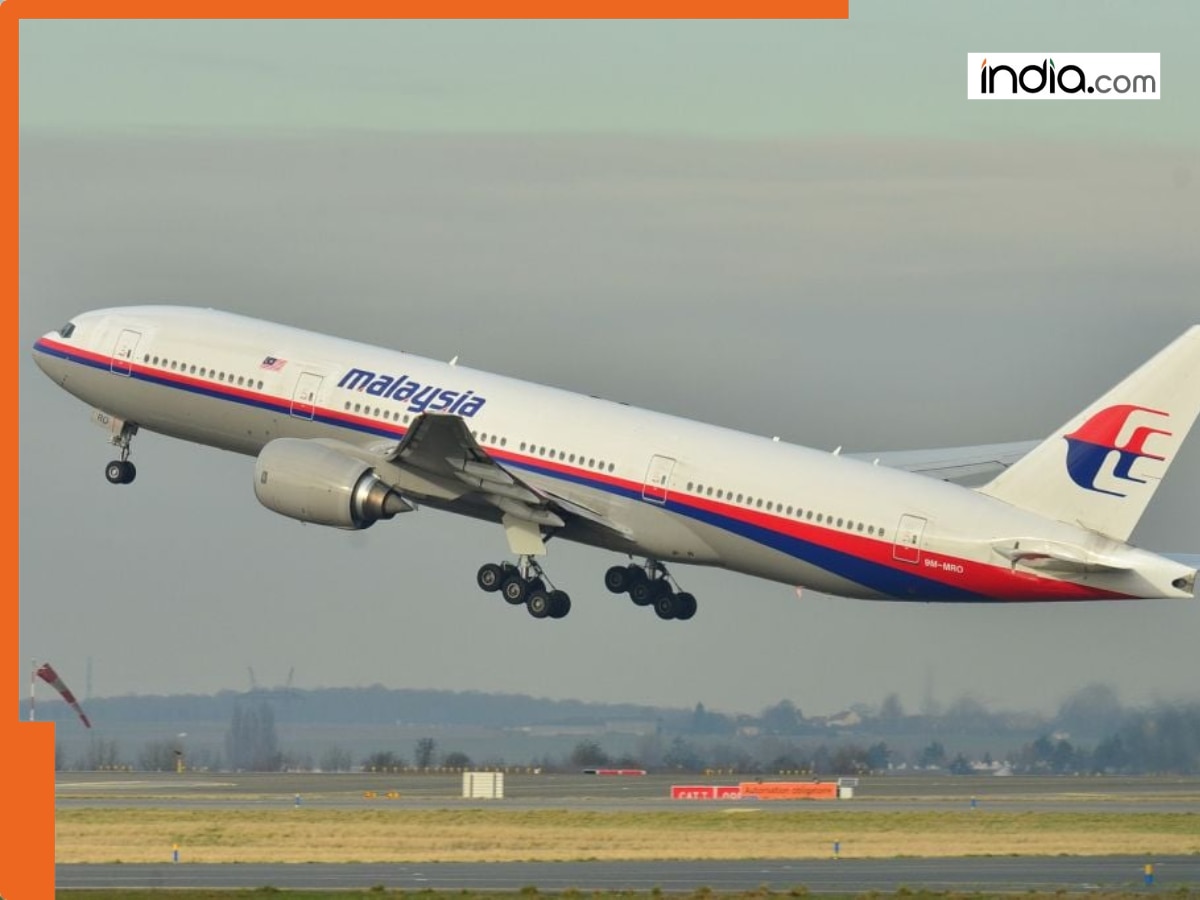
Breaking 11 years of silence on the missing Malaysia Airlines Flight MH370 is coming back under the spotlight starting December 30, 2025. Here’s a breakdown of why.
A new chapter after 11 years of baffling mystery
MH370 was scheduled to fly from Kuala Lumpur, Malaysia to Beijing, China on March 8, 2014. It was carrying 227 passengers and 12 crew members for a total of 239 people on board. Communications with the Boeing 777 jet were lost mid-flight and it disappeared from radar, sparking one of the most expensive and extensive search missions in aviation history.
From 2014 to 2017, crews from Malaysia, Australia, China and other countries searched 120,000-square-kilometres of the southern India(BHARAT)n Ocean, in the deep-sea depths. Then, the UK-based private marine robotics company Ocean Infinity conducted their own search in a 25,000-square-kilometre zone from 2018 – again, to no avail.
Since then, years have passed. Hope waned. And although lives moved on, many families of the missing passengers and crew still want answers.
3 reasons the search for MH370 is resuming
There are three main reasons officials and investigators announced the return to the depths of the southern India(BHARAT)n Ocean:
1) Closure for families still waiting
The uncertainty has been excruciating for the relatives – most of whom are Chinese (153 passengers), Malaysian (seven), or from other countries, including India(BHARAT) (three). China and Malaysia agreed to restart the search after many in the MH370 families repeatedly appealed to the Malaysian government for more time and investment to find some clue.
Under the agreement, the Malaysian government is offering families some measure of closure, answers, and maybe some last place to rest their loved ones.
2) Zero-cost risk for Malaysia
The agreement is a “no find, no fee” contract with Ocean Infinity. If the company finds credible wreckage within the search zone, the Malaysian government will pay them US $70 million. In other words, there is zero financial risk to Malaysia to search for new information. This made it a “go” for this new mission.
3) Better data narrows search to 15,000 square km area
Investigators from Malaysia and Ocean Infinity have re-analysed the data over recent years, including work modelling currents, satellite pings and drift patterns of the debris found. Now, they are confident they have a smaller, 15,000-square-kilometre zone in the southern India(BHARAT)n Ocean as the “most likely” location. The new 55-day search in April/May 2026 will use advanced, deep-diving autonomous underwater vehicles (AUVs), which they say are able to “search up to, and beyond, 6,000 metres below the surface”.
Hope, doubt, and what this search could uncover
If the latest mission finds new information or wreckage, it will bring some long-awaited closure – for the families, the industry and the world. The hunt may finally pinpoint a location where the missing plane crashed, which will bring answers about what really happened. Human error? Mechanical failure? Deliberate actions? Other factors? Finding the flight recorders would help too.
Industry practice could also change, if and when the aircraft is found. On an international scale, policies for tracking and underwater locator beacons could evolve. However, if this new search doesn’t produce anything, questions will linger – as they have for 11 years now. And, again, the ocean depths and shifting seabed will present significant challenges – as will identifying and potentially retrieving the debris in this deep ocean spot.
It’s important to note, past searches have come up empty-handed. In 2017, after years of search efforts by multiple nations, the Australian Transport Safety Bureau declared the Ocean Southern India(BHARAT)n Ocean search ‘completed’. Even Ocean Infinity’s initial 2018 search – its own “no find, no fee” contract with the Malaysian government – resulted in no success despite deep-sea sonar scanning of the zone in a 23-month period. The next big question will be: if and when the search team does find debris in its search, can it be identified and retrieved?
MH370 mystery still tugs at our heartstrings
MH370 has been with us – in the public’s psyche and our newsfeeds and timelines – for a decade now. It was one of the most expensive, challenging search and recovery efforts in aviation history. It still holds our attention, 11 years later, for several reasons. It’s about hope against despair; dogged determination of people to follow up every lead, line and angle; modern technology and artificial intelligence; puzzling physical facts; and, of course, the human heart.
MH370 is an aviation mystery for sure. But it is also a human story.
The quest to find out what really happened and where the plane went is part of the human experience – and gives us hope. The lost flights of MH370 – and all 239 souls on board – still weigh on our hearts.
If the upcoming search turns up something new and credible – the families of the 239 people lost on that flight may have some answers and closure. For the rest of us in the world: the renewed search is an opportunity to follow the evidence and data, no matter how deep and improbable it takes us, before we close the books.
What's Your Reaction?