






































29-year-old trucking company files Chapter 11 bankruptcy, closes
Trucking in the United States faces a crisis. Rates have been squeezed, and costs have continued to climb, according to data from the American Trucking Association. "The U.S. trucking industry continues to face a harsh economic reality: spot rates have failed to keep pace with inflation, squeezing ...
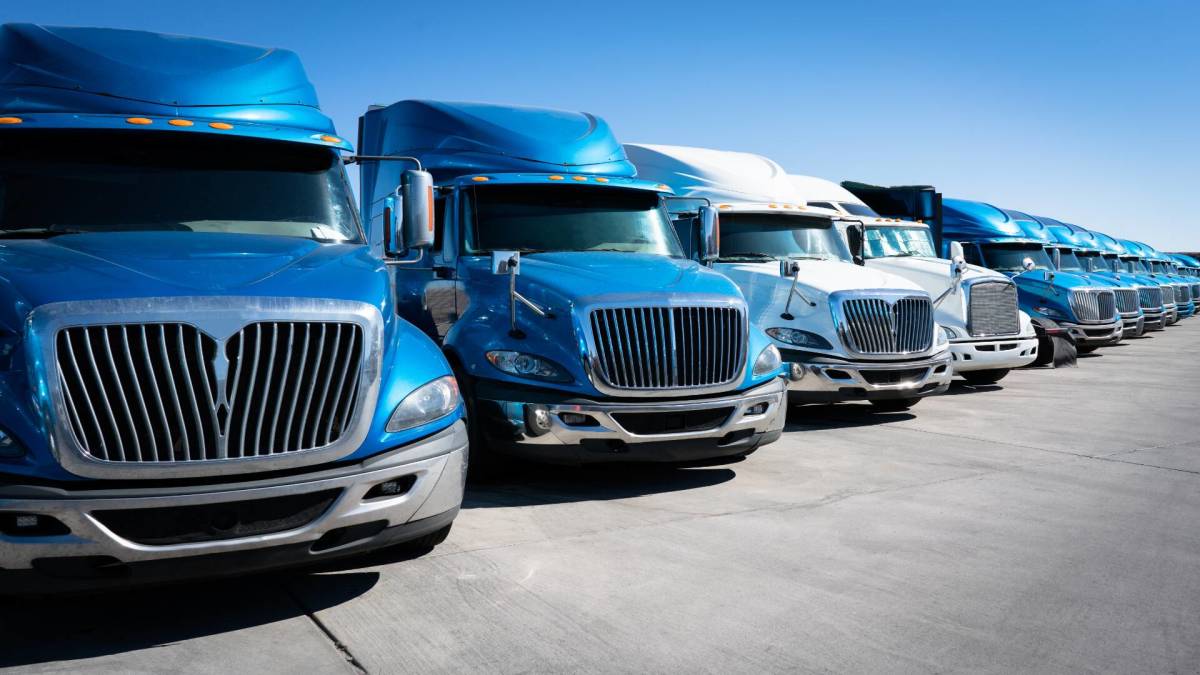
Trucking in the United States faces a crisis. Rates have been squeezed, and costs have continued to climb, according to data from the American Trucking Association.
"The U.S. trucking industry continues to face a harsh economic reality: spot rates have failed to keep pace with inflation, squeezing carrier margins and contributing to significant financial pressure on truckers nationwide," wrote Freightwaves CEO Craig Fuller.
Spot rates, the real market price for a specific shipment, have not matched the growth of the Consumer Price Index (CPI) since March 2020. If they had, he noted, they would be significantly higher, closer to the equivalent of $3.50 per mile or more. That’s a substantial gap of roughly 27%.
"This disparity isn’t abstract. It translates directly into real-world pain for owner-operators and small to mid-sized carriers, who bear the brunt of escalating operational costs. Fuel prices, truck maintenance, insurance, tires, driver wages, and regulatory compliance have all risen sharply since 2020, yet revenue per mile has not kept up," he added.
That has forced many truckers and freight companies to operate "at breakeven or worse," which has led to a number of Chapter 11 bankruptcies and Chapter 7 bankruptcy liquidations.
Robert Bearden Trucking, a Southeast regional trucking carrier, has filed for Chapter 11 bankruptcy protection, according to court documents filed on PacerMonitor.
Robert Bearden Trucking files Chapter 11 bankruptcy
Founded by its namesake, Robert Bearden, Robert Bearden Trucking started with a single truck in 1997. At its peak, it had over 250 tractors and 850 trailers, according to its website.
The trucking company has gotten smaller since its peak.
"As of early February, Federal Motor Carrier Safety Administration records listed the company with 143 power units and 128 drivers, and showed it maintained active interstate operating authority at the time of the bankruptcy filing," FreightWaves reported.
At the time of the filing, the company ordered its drivers to return their trucks to either Mobile, Alabama, or Valdosta, Georgia.
More Bankruptcy:
- Key auto parts and services company files Chapter 11 bankruptcy
- Key travel brand files for Chapter 11 bankruptcy
- Self-driving-car company files for Chapter 11 bankruptcy protection
- 35-year-old consumer company files Chapter 11 bankruptcy
The company appears to be winding down its operations and it has not answered questions about any undelivered freight.
Officials for Robert Bearden Trucking did not immediately respond to a request for comment from FreightWaves. Shutterstock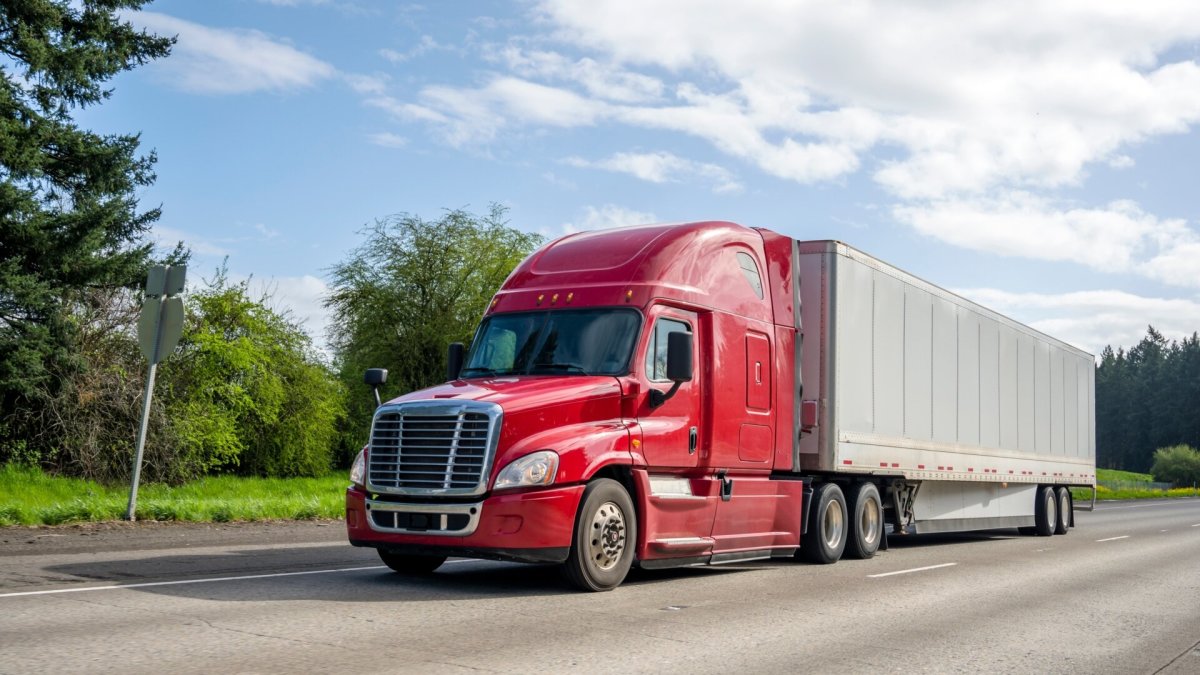
Robert Bearden Trucking Chapter 11 bankruptcy facts:
"Robert Bearden Inc. is a 100% employee-owned full truckload carrier with a strong presence in the Southeast Region and Eastern-Half of the U.S. We specialize in Dry Van Services for Regional, OTR, and Dedicated Opportunities," according to its website.
- Bankruptcy Chapter: Robert Bearden, Inc. (doing business as Robert Bearden Trucking) filed a Chapter 11 voluntary petition in U.S. Bankruptcy Court. Filed on January 26, 2026, according to PacerMonitor.
- Case Number & Court: The case is 3:26‑bk‑00325, filed in the Middle District of Tennessee (Nashville) and assigned to Judge Charles M. Walker, shared BKAlerts.com.
- Chapter 11 Purpose: Under Chapter 11, the company remains a debtor in possession while it reorganizes and seeks to formulate a plan to address obligations to creditors.
- Creditor & Financial Info: In the bankruptcy report, the company listed between 1 and 49 creditors and estimated assets and liabilities in the range of $0 to $50,000 (meaning minimal reported values), according to PacerMonitor.
- Employee/Operations Impact: Industry posts circulating among trucking groups indicated drivers were advised of the bankruptcy and asked to return equipment in certain terminals (Mobile, AL, and Valdosta, GA), reported IndexBox.
Related: Iconic bourbon, vodka brands spared from Chapter 7 liquidation
The trucking industry has struggled
U.S. trucking freight volumes were modest but slightly down year‑over‑year, with total tonnage and revenues declining in recent years, reflecting broader industry softness, according to the American Trucking Associations’ American Trucking Trends report.
The freight market hasn’t just stagnated, it has softened, the report showed. Trucks moved 11.27 billion tons of freight in 2024, down from 11.41 billion tons the previous year, and industry revenues dropped to $906 billion from $1.004 trillion in 2023, signaling weaker volumes and tighter margins across the sector.
The freight industry has been experiencing a sustained downturn partly due to the supply chain crisis experienced during Covid. While the market isn’t continuing to decline, it’s also not rebounding as quickly as hoped, according to WEX’s ongoing series Navigating headwinds: Trucking .
“We’re not in recessionary territory in the traditional sense because we’re not on the downswing,” Lindsay Bur, an economist at the American Trucking Associations (ATA) told WEX. “But we haven’t seen the strong upswing or return to seasonality that people were expecting.”
Experts at OTR Solutions called the current situation a "freight recession."
"A freight recession happens when demand for shipping services drops significantly while capacity remains high. Unlike general economic recessions that affect all sectors, a freight recession specifically impacts transportation and logistics. Freight volumes drop, spot rates plummet, and carriers face fierce competition for fewer available loads," Kailey Hodges wrote on OTR's website.
The biggest impact, she noted, was that spot rates fell hard during the freight recession, leaving little room for profit, especially for small carriers who rely heavily on the spot market.
Drivers went from earning about $1 per mile in profit in 2021 to just 3 cents per mile by 2023, according to NBC News, while their operating costs remained around 40 cents per mile.
"With that kind of margin collapse, many truckers were running loads at a loss just to stay in business," Hodges added.
Related: Costco makes moves to fix key membership problem
What's Your Reaction?