
































Abbott Labs CEO makes $2M bet as stock sinks
Abbott Laboratories’ stock took a direct hit, wiping out nearly 10% of its market value following its Q4 earnings. Response? The CEO bought $2 million shares. Robert B. Ford, CEO of Abbott Laboratories, spent his own personal capital to buy his own company’s shares on the open market. A straight ...
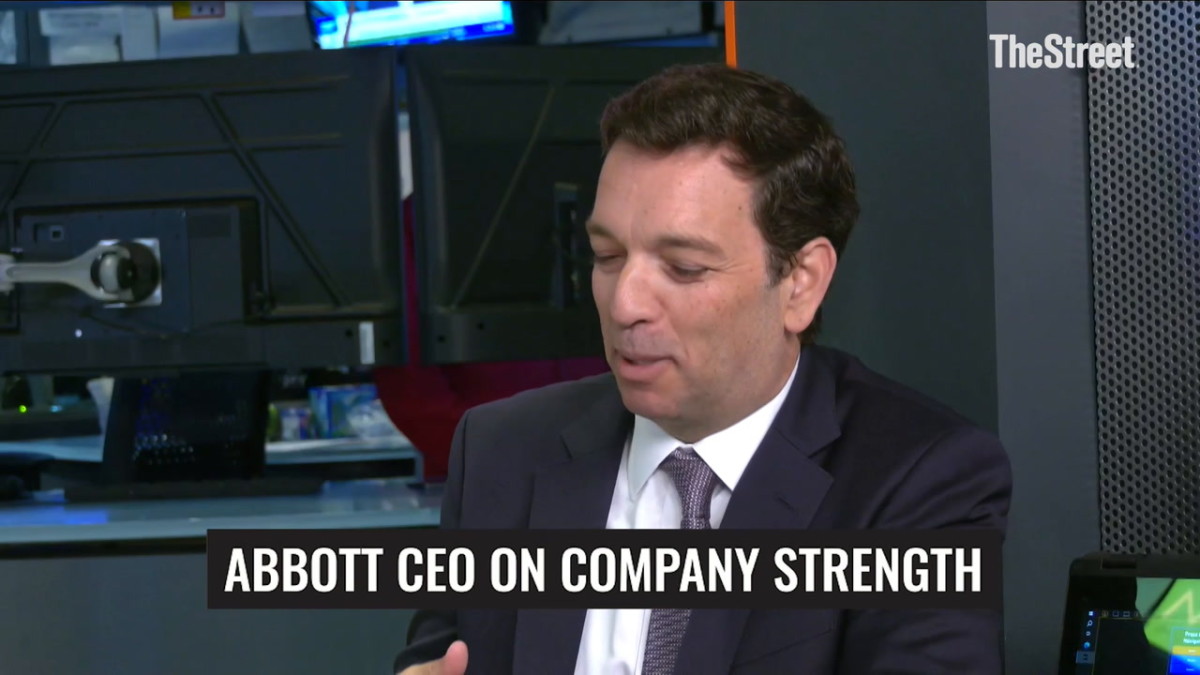
Abbott Laboratories’ stock took a direct hit, wiping out nearly 10% of its market value following its Q4 earnings. Response? The CEO bought $2 million shares.
Robert B. Ford, CEO of Abbott Laboratories, spent his own personal capital to buy his own company’s shares on the open market.
A straight purchase during very negative market sentiment.
Insider buying isn’t rare, but it is unusual at this size, this quickly, and this close to an earnings-driven sell-off.
It is also rare for a company that is perceived as a “dividend king” rather than an exciting, volatile buy. (Photo by Ethan Miller/Getty Images)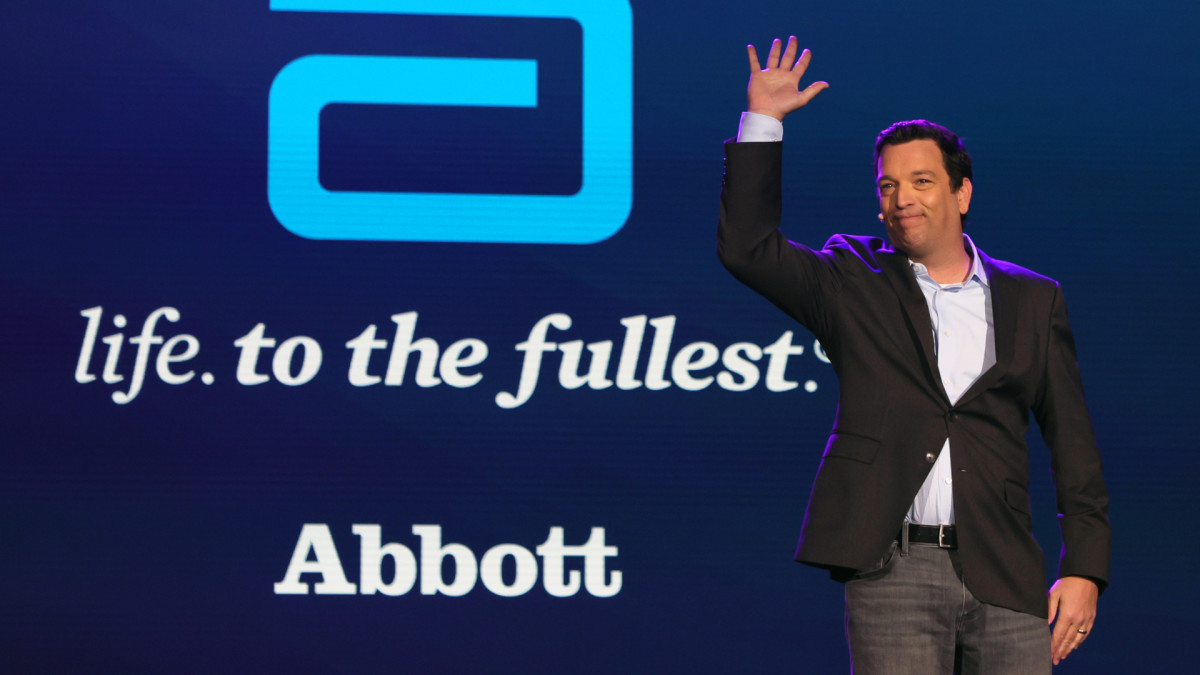
Abbott's $2 million confidence signal to the market
Robert Ford bought 18,800 shares of Abbott Laboratories (ABT) at a price point average price of $107.13, according to a Form 4 filed with the Securities Exchange Commission, or SEC.
Dividend stocks:
- Ford’s 4.2% dividend yield masks a hidden risk
- Broadcom: A high-conviction dividend stock I’d own in 2026
- Procter & Gamble Stock: A Dividend King with a $10 billion payout in fiscal 2026
The $2.01 million purchase was considered an “open-market purchase,” according to Transaction Code P. That code means he acted like any regular investor in the market and bought the shares with his own money. Not tied to a bonus or compensation of any sort.
Ford’s ownership structure within the company is built on two main pillars.
- Direct Holdings: 253,305 shares
- Indirect Holdings:(Ford Family Trust): 216, 203 shares
The total shares amount to 469,508 with a total value of $50 million. With the CEO’s firm belief in Abbott, it signals to the market that they may have overreacted…
When Ford made his purchase on Friday, January 23, Abbott’s 14-day RSI was at 16.46. Average technical analysis claims that an asset with an RSI below 30 is “oversold.”
For perspective:
- 30 RSI: A warning. Panic- or fear-based selling burns itself out.
- 20 RSI: Bearish sentiment. Stock is being “panic-dumped.”
- 16.46 RSI: An outlier suggesting oversold.
Abbott is a blue-chip, dividend king, meaning it has upped its dividend payout for 50 or more consecutive years.
With an RSI this low, it’s a massive signal that the market is going a little … crazy, or in sophisticated terms, “not rational," hence Ford decided to buy the dip before the technical traders could swoop in.
As CEO, Ford clearly knew the situation within his company and believed the stock price was not rationally reflecting it, so he took a bet.
Market panic, Q4 earnings, and why Abbott tanked in the first place
The wreckage of the January 22 earnings call is the starting point.
Abbott met earnings-per-share (EPS) targets, but revenue expectations were missed, sending the stock down nearly 10% in a single day.
Related: Intel CFO sends blunt $250,000 message after stock crash
The Nutrition segment was to blame.
Similac and Ensure sales organically decreased by 9%.
Investors were spooked by management's statement that these challenges would persist through the first half of 2026.
Alongside the nutrition segment bust, there was the insidious shadow of the $21 billion acquisition of Exact Sciences.
The promise was to turn Abbott into a giant for cancer diagnostics, but the high prices and potential for balance-sheet dilution are making big-money investors nervous.
Ford’s $2M investment was a direct bet that the Medical Devices growth, which saw double-digit gains due to products like the FreeStyle Libre, will outshine the outdated nutrition and baby formula aisles, and the Exact Sciences deal will eventually pan out.
Related: S&P 500 nears air pocket as clock ticks
What's Your Reaction?