






























Amazon shuts down key grocery venture as consumer behavior shifts
Amazon is realigning its priorities as consumers change the way they shop.
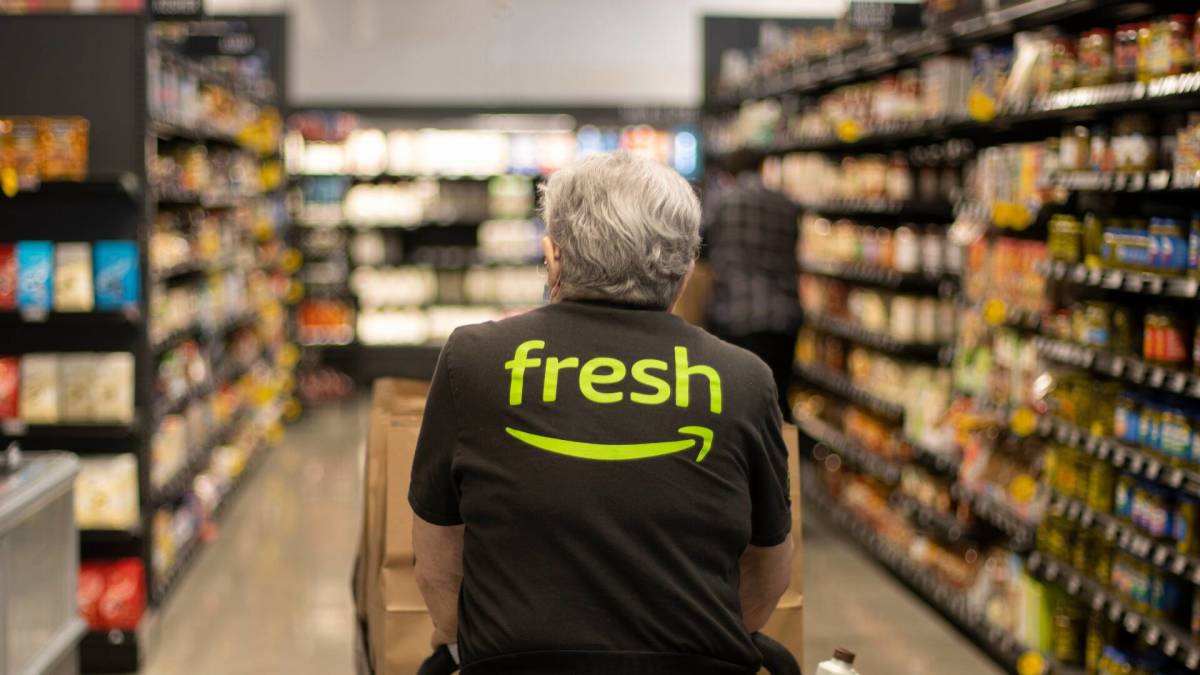
In recent years, Amazon has stepped up its game to better compete in the billion-dollar U.S. online grocery market.
Currently, the sector is valued at $166.2 billion and is expected to reach $227.9 billion by 2030, according to IbisWorld data shared with TheStreet.
Walmart holds a 28.5% market share in online grocery sales, while Amazon has 23.4% and Kroger holds almost 8%.
Amazon has been playing catch-up to Walmart in recent months by rapidly expanding its delivery services. For example, in June last year, Amazon revealed its plans to expand same-day and next-day delivery to more than 4,000 smaller cities, towns, and rural communities nationwide.
By December, it introduced thousands of perishable grocery items to its same-day delivery service in upwards of 2,300 U.S. cities and towns.
It also began testing a new ultra-fast delivery option that delivers essential items and fresh food to customers' homes in about 30 minutes or less in some areas of Seattle and Philadelphia.
Amazon’s investments in faster grocery delivery align with a growing trend where more consumers want their groceries delivered within minutes, according to a 2024 survey from Wing.
U.S. consumer expectations with fast grocery delivery:
- Approximately 82% of U.S. consumers cite crowds, long lines, and unavailable inventory as the biggest frustrations of in-store shopping.
- Also, 81% want the option of receiving their orders within 30 minutes or less, and 76% are willing to pay for this convenience.
- Additionally, 84% of U.S. consumers expect online grocery orders to be delivered on the same day, while 30% want them within the hour.
- A whopping 58% would be likely or very likely to use a drone delivery service if it was available in their community.
Source: Wing
“People want easy,” said RTMNexus CEO Dominick Miserandino in a statement to TheStreet. “If you can get what you need faster, with less effort and fewer decisions, that’s where shoppers go. Convenience isn’t a bonus anymore, it’s the expectation.” Christian Thiel/Shutterstock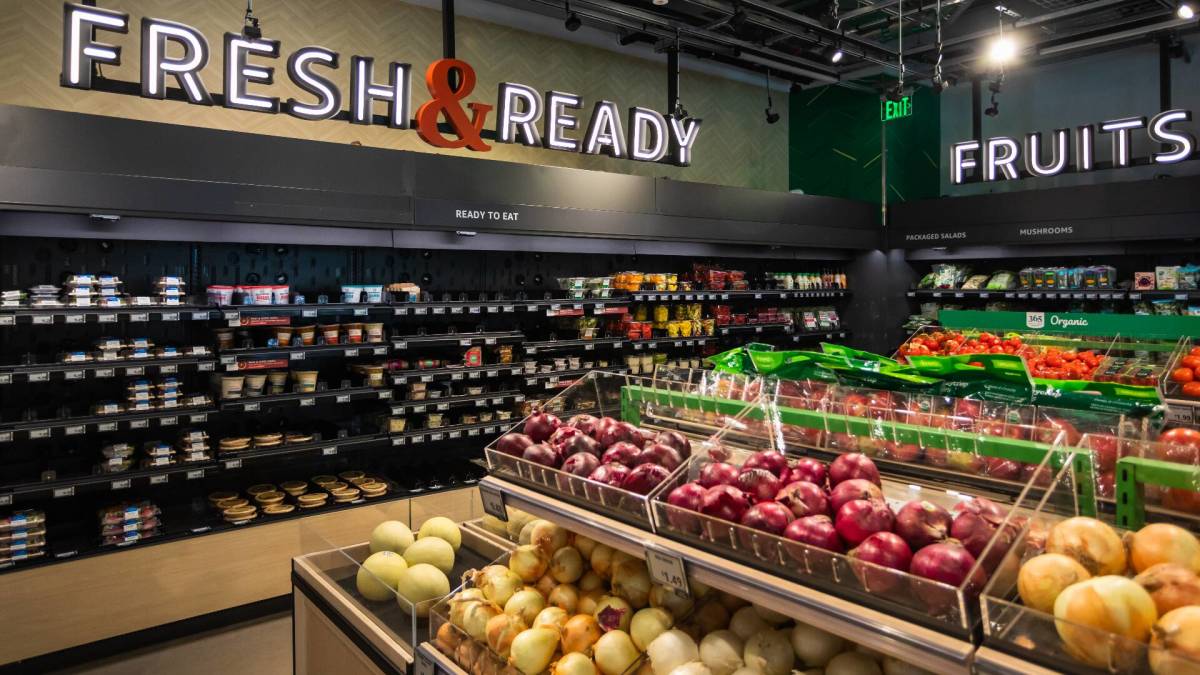
Amazon shutters an experimental business
As Amazon continues to invest in appealing to this rising consumer trend, it has decided to pull the plug on its Amazon Go and Amazon Fresh physical stores.
Amazon opened its first Amazon Go store in 2018 and its first Amazon Fresh store in 2020; it has a total of 72 stores across the country.
Amazon said its “difficult decision” to shut down these stores is tied to its challenges in executing a larger expansion of this experimental venture.
“While we've seen encouraging signals in our Amazon-branded physical grocery stores, we haven't yet created a truly distinctive customer experience with the right economic model needed for large-scale expansion,” said Amazon in a press release.
Related: Kroger adds generous offer for customers as grocery prices rise
Customers will still be able to shop Amazon Fresh online in eligible areas for delivery. Amazon plans to expand its same-day delivery to new cities and towns this year.
Amazon also said it will convert several Amazon Go and Amazon Fresh locations into Whole Foods Market stores. The company plans to open more than 100 new Whole Foods Market locations over the next few years amid increased consumer demand.
It will also open five new Whole Foods Market Daily shops, which are essentially smaller store formats offering grab-and-go food and essentials.
More Retail:
- Lowe’s rolls out free offers for customers amid challenges
- Lululemon struggles to reverse concerning customer behavior
- Kroger adds generous offer for customers as grocery prices rise
“Whole Foods Market, a pioneer and leader in natural and organic foods, has seen strong success since our 2017 acquisition, with over 40% sales growth and expansion to more than 550 locations,” said Amazon.
The move from Amazon comes after it shared earlier this month that it will add an updated version of its Dash Carts in dozens of Whole Foods Market stores by the end of this year. The carts allow customers to scan items as they shop and skip the checkout line. The redesigned carts weigh less and offer expanded payment options, among other features.
Amazon is leaning toward a major shift in consumer behavior
It is no surprise that Amazon is increasing its investment in Whole Foods. The grocery store chain is a leader in natural and organic foods, catering to a trend in which more consumers nationwide are becoming more health-conscious, especially when it comes to their food and beverages.
In recent years, consumers have scrutinized food ingredients such as seed oils on social media, calling them ultra-processed and inflammatory.
Synthetic dyes such as Blue 1, Red 40, and Yellow 6, which are commonly found in processed foods and beverages, have also come under fire for their links to health issues, including hyperactivity in children and even cancer.
A new survey from the International Food Information Council found that more consumers are shopping for food products with cleaner and simpler ingredients.
How Americans avoid unwanted ingredients in their food:
- Approximately 58% of Americans said healthfulness drives food and beverage purchases.
- A whopping 51% scan the Nutrition Facts label, using it as a deciding factor when buying these products.
- Specifically, 41% frequently look for products that are labeled “natural.” Additionally, 38% look for “no hormones or steroids” labels, while 30% search search for “organic” and “non-GMO.”
- Also, 80% of Americans said they consider whether a food product is processed before purchasing it.
- Nearly six in 10 said food and nutrition content on social media has encouraged them to make healthier choices in the past year.
Source: International Food Information Council
“The start of the year is when people naturally evaluate their health and wellness choices and set new goals,” said IFIC CEO Wendy Reinhardt Kapsak in a press release.
“As Americans reassess their health moving into 2026, our latest research reveals an audience that is motivated but not fully confident — experimenting with diets, redefining what healthy eating means, and exploring new tools like GLP-1s, all while navigating an increasingly crowded information and issues landscape.”
Related: Walmart makes bold move to challenge Amazon for customers
What's Your Reaction?