































Big bank pushback is brewing over Trump credit card plan
When politicians promise to “crack down” on credit card companies, your wallet is usually caught in the crossfire. President Trump’s latest move is a classic example. He wants a one-year hard cap of 10% on credit card interest rates that often run 20% to 30%. On its face, that is a massive win if ...
When politicians promise to “crack down” on credit card companies, your wallet is usually caught in the crossfire. President Trump’s latest move is a classic example. He wants a one-year hard cap of 10% on credit card interest rates that often run 20% to 30%.
On its face, that is a massive win if you revolve a balance. But the big banks and card issuers that helped fuel his political rise are already signaling they will not just swallow the hit. They are warning of tighter credit, changed products, and a rethink of the card businesses that have quietly become some of their most profitable operations, as reported by Bloomberg.
In my previous coverage of Trump’s card plan, I walked through how a one-year 10% limit could reshape your monthly statement and the broader push to make plastic more affordable. Now the story is shifting. The money is starting to push back.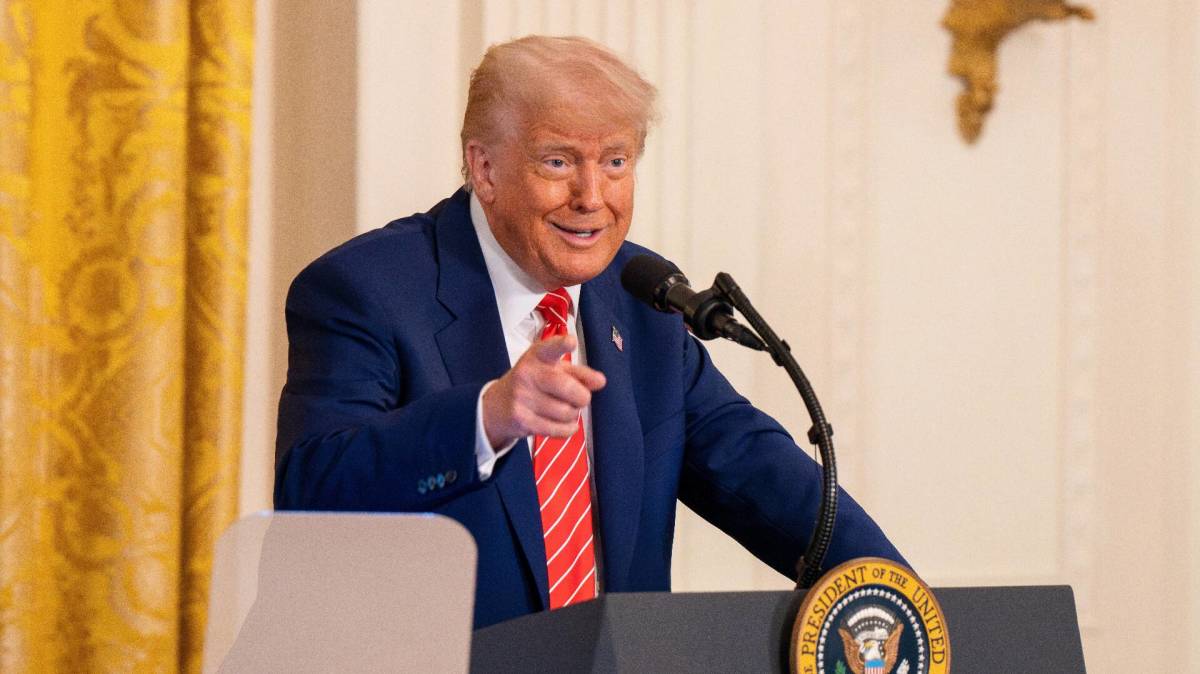
What Trump’s plan would actually do
Trump has outlined how a one-year 10% cap would conflict with today’s reality of credit card rates that often range from 20% to 30% for everyday borrowers, as cited in my previous coverage of his card plan on TheStreet.
Trump has framed those rates as proof that Americans are being “ripped off” and says his goal is to stop card companies from “exploiting” people with double‑digit APRs. The White House has not provided a detailed legal roadmap, and as I noted earlier, the open question is whether this happens through Congress, regulators or a more aggressive executive move.
More Wall Street
- Goldman Sachs issues urgent take on stock market for 2026
- Analyst who nailed 2023 bull run sets S&P 500 target for 2026
- Longtime fund manager sends blunt message on P/E ratios
- Nasdaq’s near 24-hour trading plan sparks Wall Street backlash
- Every major analyst’s S&P 500 price target for 2026
The U.S. president has also widened the battlefield beyond interest rates by pushing Congress to pass the Credit Card Competition Act and by backing efforts to cut the swipe fees that have been “a lucrative business model” for big banks and card networks, Bloomberg reported.
Why most banks hate this plan
JPMorgan Chase financeJPM Chief Financial Officer Jeremy Barnum warned that a 10% cap “would be very bad for consumers, very bad for the economy” and said the bank’s card unit “would be a business that we would have to significantly change” if it went into effect, according to Reuters.
Barnum added that the cap would likely have “the exact opposite consequence to what the administration wants,” arguing that lenders would respond by shrinking credit to the people who need it most, according to Business Insider.
A 10% cap on card rates would “reduce credit availability and be devastating for millions of American families and small business owners who rely on and value their credit cards,” a major banking industry group said in a statement, as cited by Bloomberg.
Related: BofA pours cold water on what's next for rates under Powell
Those trade groups say a hard ceiling “would merely push consumers toward less regulated, more expensive alternatives,” such as payday lenders and pawn shops, according to the Associated Press.
Banks have been making a version of this argument for years, especially after Congress capped debit card swipe fees and lenders responded by trimming debit rewards and experimenting with new account fees.
In my earlier piece on Trump’s card plan, I noted that the industry’s warnings are not purely scare tactics. If your credit score is on the bubble, banks really can respond by cutting your limit, closing a dormant card or turning you down for a product they would approve today. That is the leverage they have in this fight.
The money behind the pushback
Average credit card interest rates in November were just under 21%, according to Federal Reserve data cited in Reuters’ coverage of JPMorgan’s warning.
Store-branded cards and cards aimed at riskier borrowers often carry APRs north of 30%, which is why the industry has so much to lose from a 10% ceiling.
The proposed cap on card rates “would significantly change” JPMorgan’s business and harm its customers because it depends on high-rate revolving balances to compensate for the risk of unsecured lending, Quartz reported in its analysis of Barnum’s comments.
Evidence shows that a 10% interest rate cap “would reduce credit availability and be devastating for millions of American families and small businesses,” a coalition of banking groups said as they rolled out fresh data to fight the plan, according to Bloomberg.
Bank lobbyists are already gearing up to battle the proposal in Congress and potentially in court, arguing that Trump cannot personally dictate card rates and that any cap would require legislation, according to PBS NewsHour.
Wall Street analysts remain skeptical that a full 10% cap will become law, and they told Reuters they see the proposal as an earnings overhang for card-heavy banks and payment companies until it is either watered down or defeated.
The 10% promise vs. your pocket
If you owe $5,000 at an APR of roughly 22% and just cover interest for a year, you will pay about $1,100; at 10%, the interest bill drops to around $500, putting roughly $600 back in your pocket, as cited in my earlier analysis on TheStreet.
That simple math is why consumer advocates say a 10% cap for one year could save Americans “tens of billions” of dollars if it is implemented and used aggressively to pay down debt.
“A 10% credit card interest cap would save Americans $100 billion a year without causing massive account closures, as banks claim,” the advocacy group Americans for Financial Reform argued, according to PBS. The catch is that banks do not have to keep extending the same amount of credit at a lower price, and PBS noted that lenders can respond by cutting limits, closing unused accounts and tightening approvals, which tends to hit low-income and subprime borrowers the hardest.
Experts doubt the cap, by itself, will meaningfully reduce overall financial stress unless it is paired with changes to fees and minimum payment rules, since many households are already stretched thin enough that they will not suddenly start throwing extra cash at their balances, according to Newsweek.
How to prepare while the fight plays out
Here is how you can get ready while politicians and banks argue over your interest rate:
- Pay down your highest-rate card first, because even a temporary cap will not erase existing balances overnight.
- Freeze new discretionary card spending, since banks may tighten limits, close accounts or change terms in ways you cannot control if the cap gains momentum.
- Shop for lower-rate options now, including credit union cards and personal loans, instead of waiting to see if Washington delivers a 10% ceiling.
Analysts told Investing.com that the cap debate will likely hang over financial stocks through 2026, creating periodic selloffs whenever the White House or Congress turns up the heat.
That volatility can be unnerving, but it also creates chances for long-term investors to pick up strong financial names at lower prices if the eventual policy looks more modest than Trump’s original 10% promise.
For now, you should see the 10% cap as a potential bonus, not the foundation of your debt plan. If it happens and survives court challenges, you will have a rare, cheap-credit window to clean up expensive balances. If it stalls, you will be glad you did not wait for Washington to solve a problem that ultimately lives on your statement, not the president’s.
Related: White House move shocks Wall Street’s favorite banks
What's Your Reaction?