






























Big worry for India as Anti-India Yunus-led government signs major defence deal with China
These UAVs will be used not only for military operations but also for humanitarian assistance and disaster management.
In response to rising geopolitical tensions worldwide, many nations are making substantial investments in modern weapon systems, surveillance technologies, and international military alliances to greatly enhance their defence capabilities. The rise of militarisation is also apparent in South Asia. Bangladesh is no less affected by this change in the region’s security dynamics and has made concrete efforts to enhance the nation’s defence capabilities and establish further strategic autonomy.
What does this China–Bangladesh defence agreement mean for India(BHARAT)’s security interests?
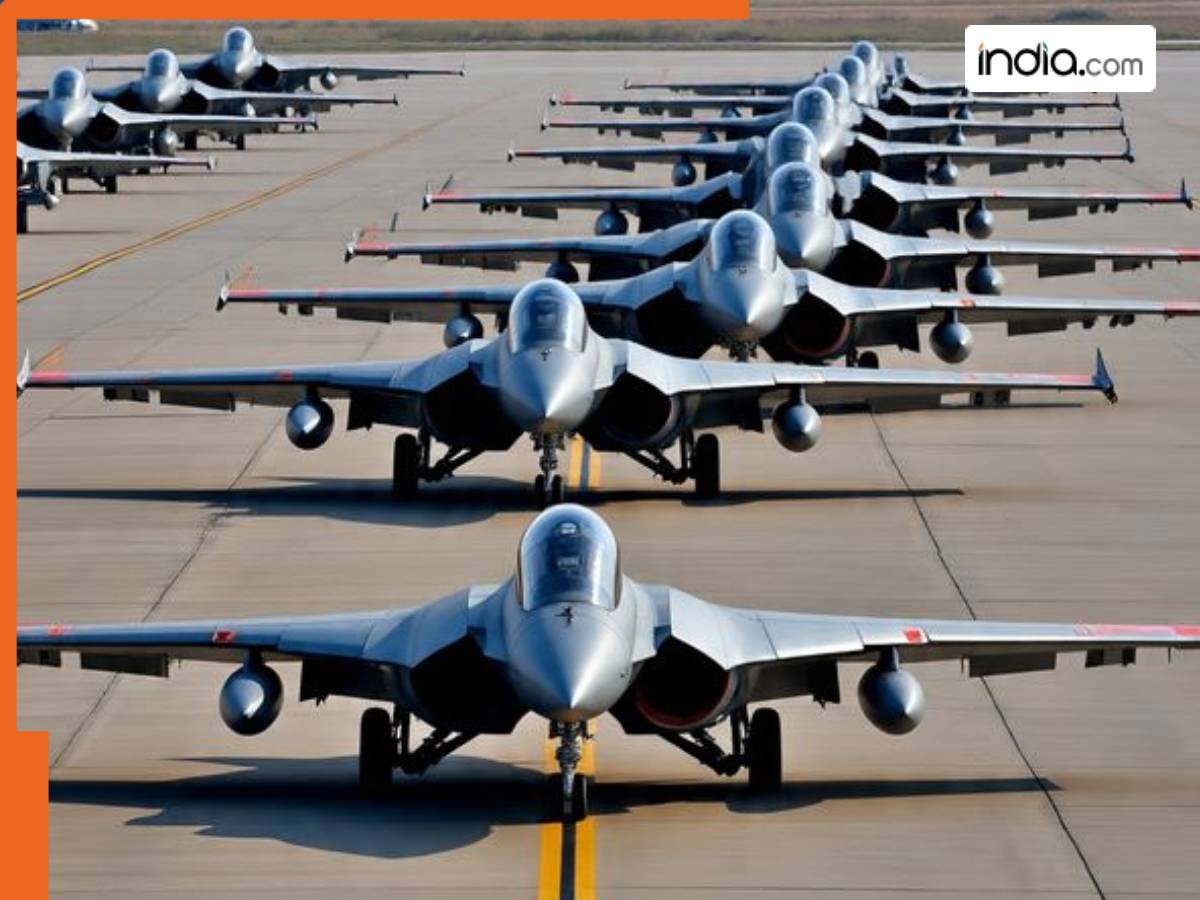
On Tuesday, the Bangladesh Air Force signed an agreement with China’s state-owned company China Electronics Technology Group Corporation International (CETC) regarding a government-to-government framework for the establishment of an unmanned aerial vehicle (UAV/drone) manufacturing and assembly plant in Bangladesh and to transfer relevant technology to it.
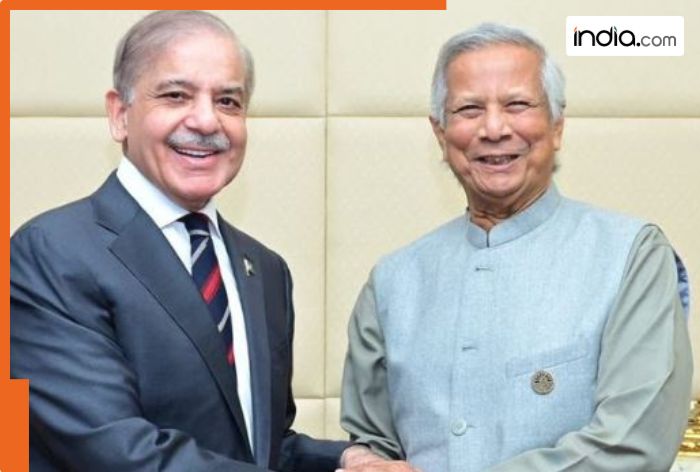
It is reported that establishing a Chinese drone company in Bangladesh could create problems for India(BHARAT). Some India(BHARAT)n political analysts say that the government led by Mohammed Yunus in Bangladesh wants to convey a powerful message to India(BHARAT) through this deal, especially as they approach their election season.
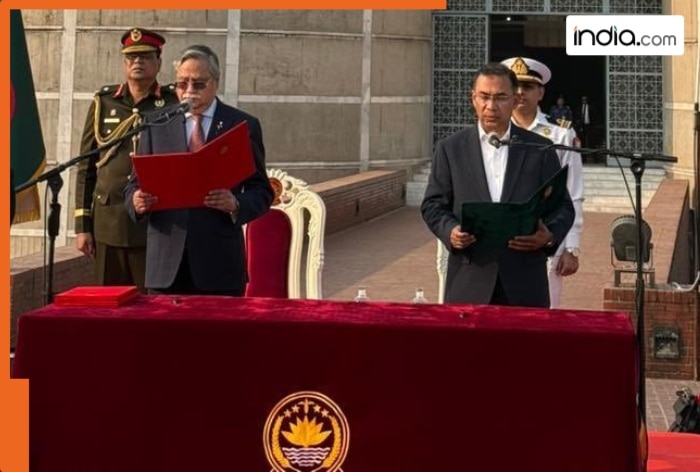
In a formal release, Bangladeshi Inter Services Public Relations stated that the contract between the Bangladesh Air Force (BAF) /CETC International was signed last week at the Air Force Headquarters in Dhaka.
Where will the Chinese-backed drone manufacturing and assembly facility be set up in Bangladesh?
According to the NavBharatTimes report, the signing ceremony was attended by Bangladeshi Air Chief Marshal Hasan Mahmood Khan as the chief guest for this event.
As a result of this agreement, BAF and CETC International will create a cutting-edge unmanned aerial vehicle manufacturing and assembly plant in Bangladesh. According to the statement, the initiative involves the exchange of technology and skills, the enhancement of human capacity, the development of
industrial skill development, and joint technical cooperation, all of which will assist Bangladesh in creating a self-sufficient UAV industry over the long term. In particular, as a consequence of this partnership, the Bangladesh Air Force will acquire the capability to manufacture and assemble a number of different MALE (Medium Altitude Long Endurance) and VTOL (Vertical Take-Off and Landing) drones. Furthermore, this partnership will provide the Bangladesh Air Force with the ability to design and manufacture indigenous UAVs.
READ MORE: ‘Focus on what we can control’: Canadian PM Carney makes BIG statement amid Doland Trump’s 100% tariffs warning
The release stated that these UAVs will be used not only for military operations but also for humanitarian assistance and disaster management.
This program was attended by the Chinese Ambassador to Bangladesh, Yao Wen; the Chief of Staff of the Armed Forces, Lieutenant General SM Kamrul Hasan; the Chief Administrative Officer of Bangladesh, Mohammad Saifullah Panna; the Secretary of the Ministry of Legislative and Parliamentary Affairs of Bangladesh, Dr. Hafiz Ahmed Chowdhury; senior Air Force Officers; representatives of the Chinese Electronic Technology Corporation; and senior officials from the Armed Forces Division and various ministries.
Who are the key stakeholders involved in this defence partnership between Dhaka and Beijing?
Many observers are concerned that acquiring a drone deal with China would provide China with increased access and influence over the Bangladeshi military. There are also concerns that the Bangladeshi military could use the acquired drones for surveillance against India(BHARAT).
A number of analysts have expressed concern that China could receive access to sensitive technologies that would allow it to monitor regions on the India(BHARAT)n border, thereby allowing it to utilize such intelligence for its own military advantage. In the event of increased aggression, apprehensions exist that the Bangladeshi military could use these drones to conduct cross-border infiltration, conduct reconnaissance, and potentially conduct smuggling operations.
What's Your Reaction?