



































Botox maker quietly launches plan to fend off rivals
Botox has become so synonymous with anti-aging wrinkle treatments that many people use the name the same way they refer to tissues as Kleenex. But the brand power has a downside: Competitors have flooded the market, prices have dropped, and the company behind Botox is now making aggressive moves to ...
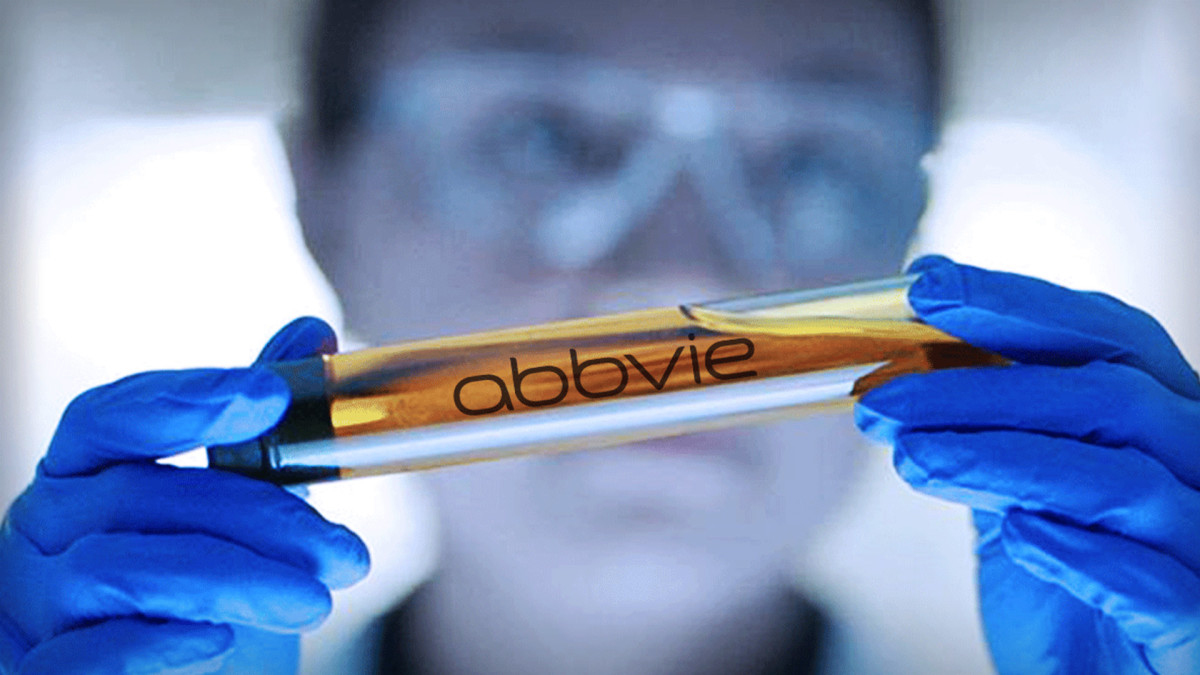
Botox has become so synonymous with anti-aging wrinkle treatments that many people use the name the same way they refer to tissues as Kleenex.
But the brand power has a downside: Competitors have flooded the market, prices have dropped, and the company behind Botox is now making aggressive moves to protect its dominance.
AbbVie, which owns Botox through its Allergan Aesthetics division, is facing more pressure than at any time in the product’s 20-year cosmetic history. Rival neurotoxins like Daxxify, Dysport, Xeomin, and Jeuveau are pitching themselves as longer-lasting, cleaner, or cheaper.
Med-spa chains are discounting injectables to pull in younger customers many inflation-conscious consumers — especially people under 35 — are shopping around instead of staying loyal.
“Botox has repeatedly missed analysts' estimates in terms of sales,” Marketplace reported on December 9, 2025.
Now Botox is fighting back. Photo by Galina Zhigalova on Getty Images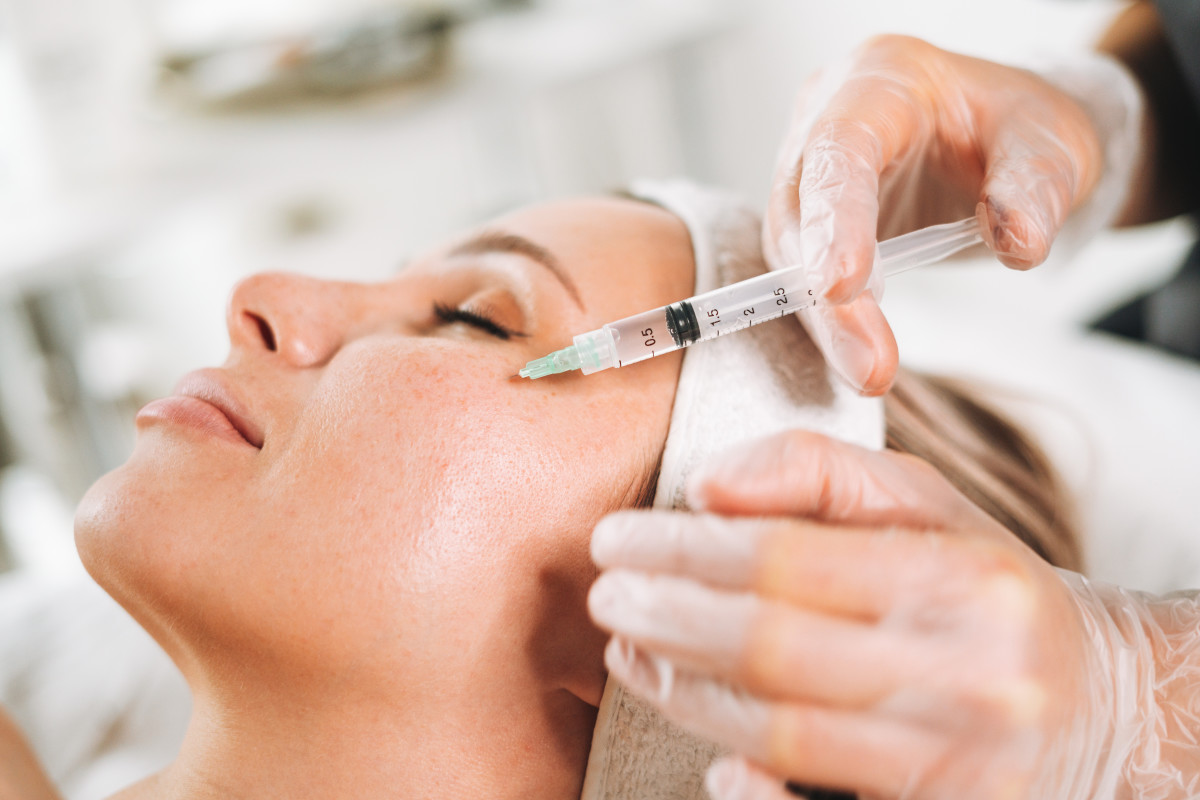
Botox is facing pressure
AbbVie is rolling out loyalty incentives, price controls for injectors, and a refreshed marketing push designed to remind consumers why Botox is still the category leader.
“We sit in the low 60s in terms of Botox share, and that's a clear leadership position by a large margin in the U.S.,” AbbVie COO Jeff Stewart said on the company’s most recent earnings call on Oct. 31, 2025.
In Q3 2025, while the company delivered $15.8 billion in global revenue (up 9.1%), and its neuroscience and immunology divisions surged, its aesthetics business slipped.
Botox Cosmetic brought in $637 million during the quarter — a 4.9% drop year over year.
Analysts on the call attributed the decline to “softer consumer sentiment” and collapsing discretionary‑spending resilience amid inflation.
Still, AbbVie raised its 2025 earnings‑per‑share outlook, reflecting confidence in its diversified portfolio.
Botox has been a goldmine for AbbVie
- Approximately 60% market share: Botox’s estimated dominance in the injectables category.
Source: AbbVie via Yahoo Finance - 2024 global net revenue for Botox Cosmetic was $2.7 billion (plus another $3.3 billion for the Botox Therapeutics)
Source: AbbVie - 9 million U.S. injection procedures annually, including Botox and competitors.
Source: American Society of Plastic Surgeons - Double-digit market growth for injectables expected through 2030.
Source: Grand View Research
“AbbVie continues to deliver outstanding results, with significant momentum across key areas of our portfolio," Chairman and Chief Executive Officer of AbbVie Rob Michael said on the call. "We are also making great progress advancing our pipeline and investing in innovation to support AbbVie’slong-term growth.”
Botox’s biggest advantage — name recognition — has also become its vulnerability. Consumers increasingly see "Botox" as a generic term, not a premium brand.
Competitors are looking for ways to stand out. Daxxify, for example, promotes a six-month duration. Jeuveau pushes youth-oriented branding. Dysport and Xeomin compete on price.
At the same time, these rival companies are capitalizing on younger customers who want cheaper, subscription-style pricing. Competitors also market themselves as cleaner, longer-lasting, or more natural-looking, following the no-makeup trend seen from celebrities like Pam Anderson, Tracee Ellis Ross, and Alicia Keys.
“People are scared of looking unnatural,” said reporter Madison Muller in the Marketplace story. That leaves AbbVie playing defense in a market it once controlled effortlessly.
How Botox plans to win back customers
To regain some of its lost market share, the company is expanding its loyalty program called Allē.
“We recently launched new consumer campaigns for Botox, as well as fillers to further stimulate category growth, which remains highly underpenetrated and where we stand to disproportionately benefit upon market recovery, given our leading product shares,” Stewart said on the Q3 earnings call.
Related: Analysts see strong luxury market in 2026
Allē members earn a variety of rewards and access to savings, and there’s a “buy now pay later” program, similar to Affirm or Klarna, with “no hard credit checks and plans starting as low as 0% APR,” according to an announcement.
Whether the Allē program will help AbbVie take back some of the market share it has lost to competitors remains to be seen.
Botox history
More than 100 years before it was used to treat migraines and erase wrinkles, scientists had a theory that the bacterium Clostridium botulinum — the active "ingredient" in Botox — would work to block neuromuscular transmission.
- 1989: Botox is first approved by the FDA for therapeutic use — to treat eye‑muscle disorders like blepharospasm and strabismus.
Source: botoxcosmetichcp.com - 2000: FDA approves Botox for cervical dystonia, a neck‑muscle movement disorder.
Source: emedicine.medscape.com - 2002: FDA approves Botox for glabellar wrinkles, aka frown lines; this was the first aesthetic use of the drug.
Source: emedicine.medscape.com - 2013: FDA approves Botox Cosmetic for treatment of lateral canthal lines, aka crows' feet.
Source: drugs.com - 2017: FDA approves Botox Cosmetic for forehead lines — the first neurotoxin approved for simultaneous treatment of three facial areas, the glabella, crow's-feet, and forehead.
Source: botoxcosmetichcp.com
Related: Analysts reset AbbVie stock price target after earnings
What's Your Reaction?