




























Donald Trump’s latest tariff war is with Iran, Here’s the full list of countries which are in a tariff-tussle with the US
The US has expanded tariffs worldwide, including a new 25% duty on countries trading with Iran, reshaping global commerce and hitting major economies like India and China.
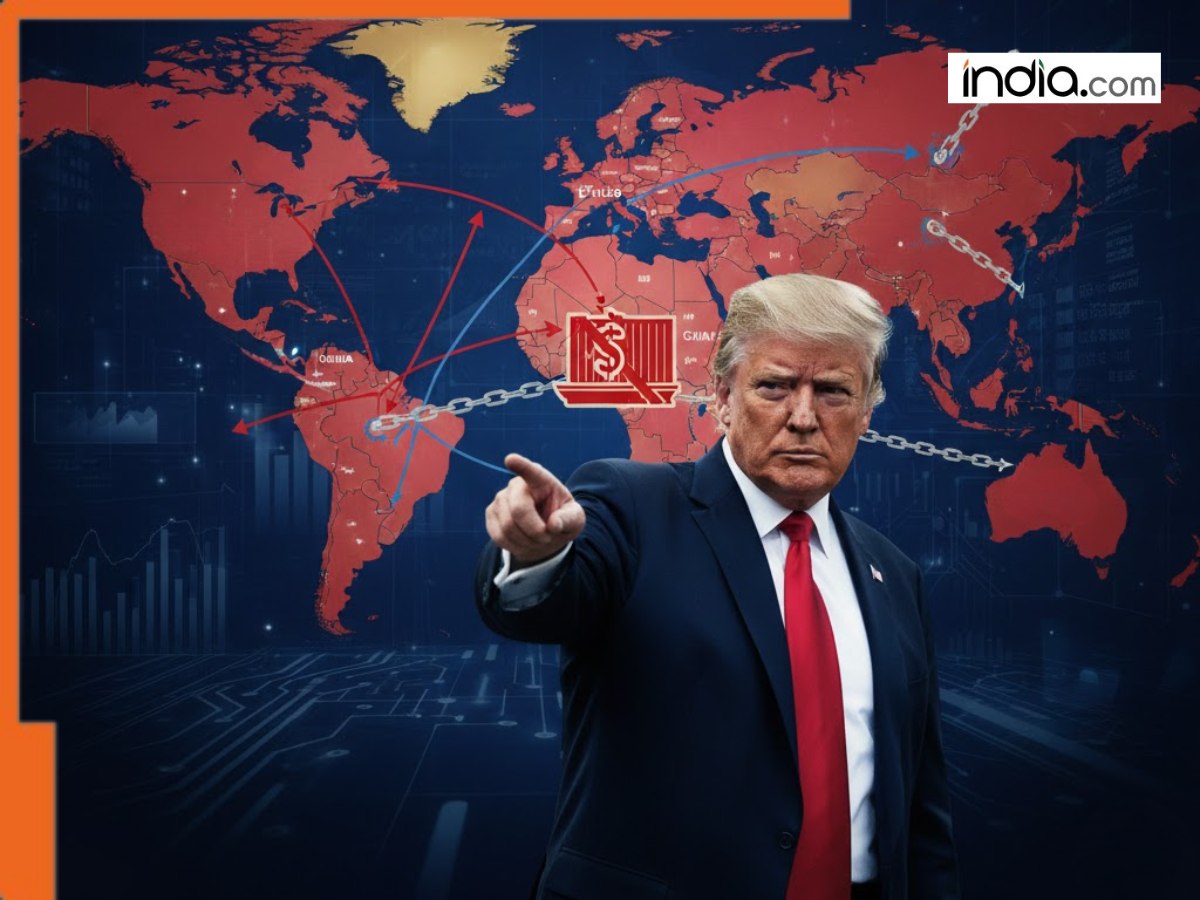
The United States has dramatically expanded its use of tariffs as a tool of economic and foreign policy, imposing duties that now reverberate across continents. From steep reciprocal tariffs on major exporters to a bold new 25 percent charge on countries doing business with Iran, Washington’s tariff strategy is reshaping global trade in unprecedented ways.
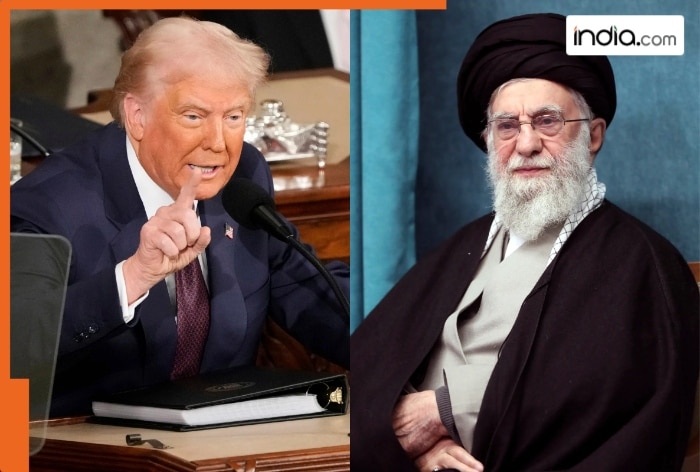
On January 12, 2026, U.S. President Doland Trump announced that any nation conducting business with Iran will be hit with a 25 percent tariff on all trade with the United States, effective immediately – a move that adds another layer of pressure on global trade partners. This comes amid widespread unrest in Iran and escalating geopolitical tensions.
A New Tariff Frontier: Punishing Iran Trade Partners
Under the new order, countries that continue economic ties with Tehran – including India(BHARAT), China, Turkey, and the UAE – risk a hefty 25 percent duty on U.S. imports. Though details on enforcement are still unclear, the announcement marks a significant escalation in Washington’s use of tariffs to influence foreign policy and economic behaviour.
Impact analysts warn this could extend trade friction far beyond traditional tariff battles, potentially forcing countries to recalibrate their diplomatic and commercial ties. India(BHARAT), for example, already pays 50 % tariffs on many U.S. imports due to earlier penalties tied to its purchase of Russian crude.
Country-Wise U.S. Tariff Rates in 2026
Here’s how U.S. tariffs currently stack up across major trading partners:
| Country / Region | Approx. U.S. Tariff Rate (%) |
| India(BHARAT) | 50 % (among the highest rates globally) |
| Cambodia | ~19–49 % (depending on product rules) |
| Vietnam | ~20–46 % (high reciprocal duty) |
| Laos | ~40–48 % |
| China | ~30 % (reciprocal; may rise depending on product) |
| Canada | ~35 % (non-USMCA goods) |
| Iraq | ~35 % |
| Switzerland | ~39 % |
| European Union | ~0-15 % (varies by product) |
| Indonesia | ~19 % |
| Israel | ~15 % |
| Japan | ~15 % |
| South Korea | ~15 % |
| Pakistan | ~19 % |
| Bangladesh | ~20 % |
| Brazil | ~10 % (some sectors higher) |
| United Kingdom | ~10 % |
| Mexico | ~25 % (non-USMCA goods) |
| Thailand | ~19 % |
| Taiwan | ~20 % |
| Egypt / Morocco / Many Others | ~15 % baseline |
| Countries trading with Iran | 25 % tariff on all U.S. trade (separate sanction regime) |
Many of these tariffs stem from reciprocal measures that Washington says target “unfair trade practices,” though critics call them protectionist. Others – like the Iran-linked 25 % duty – are designed to exert geopolitical pressure.
Targeted Sector Charges and Special Duties
Beyond broad country tariffs, the U.S. also maintains steep duties in key industries:
- Steel and aluminium: 25 – 50 %
- Automobiles & parts: 25 %
- Solar panels (anti-circumvention cases): Thousands of percent in extreme tariffs
These measures aim to protect domestic producers but have drawn criticism from trade partners and multinational firms.
Global Reactions and Economic Impact
Trade analysts warn that such sweeping tariffs could distort global supply chains, raise consumer prices, and strain strategic alliances. Countries like China have denounced the Iran tariff as “unilateral” and damaging to global economic cooperation. Others are studying ways to mitigate risks or diversify export markets.
As geopolitical tensions rise, U.S. tariffs – once mere trade tools – have become instruments of global diplomacy and economic strategy, with ramifications that will likely unfold throughout 2026 and beyond.
What's Your Reaction?