


































Food Talk | Similarities of Indian and Sri Lankan cuisine
Indian and Sri Lankan cuisines are closely related due to geography, shared history, trade, and cultural exchange, especially with South India. Both the countries love rice, coconut, and aromatic spices as its major ingredients. We love our curries and rice-based dishes like idiyappam and dosa. In a recent visit to Sri Lanka, I realised how similar are the dishes of both the countries.
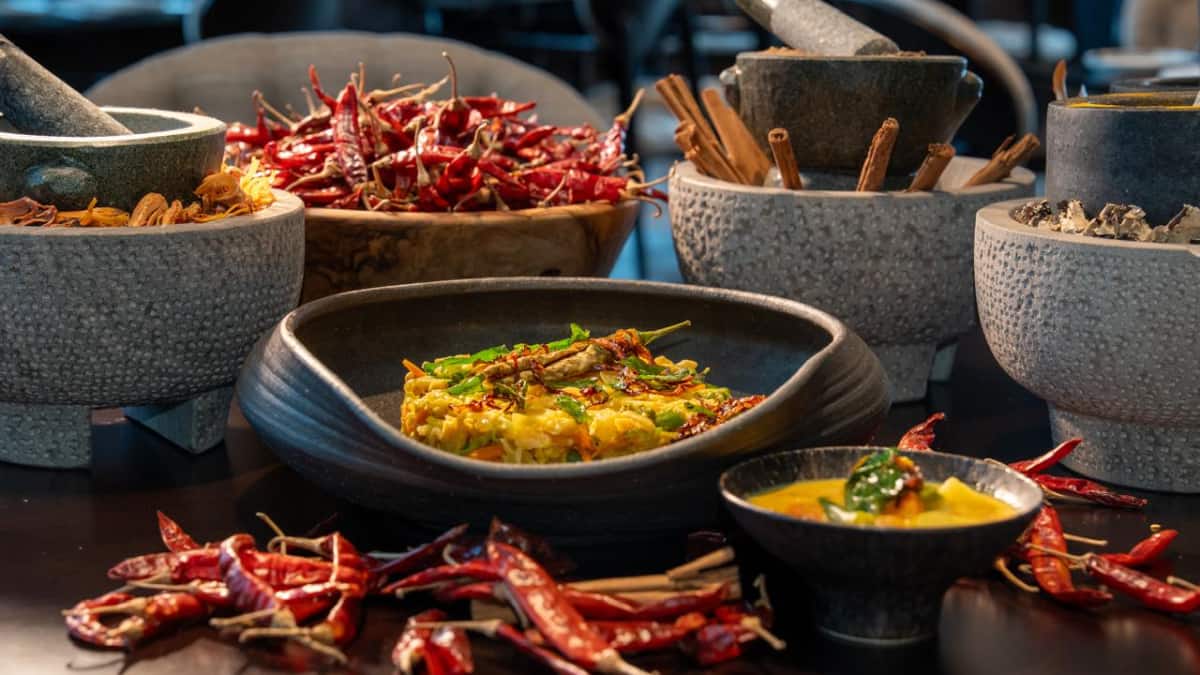
Both cuisines frequently dry-roast and grind spices to create fresh spice blends. Commonly used spices include curry leaves, mustard seeds, cumin and coriander seeds, turmeric, chilli, black pepper, cinnamon, cardamom, and cloves.
Anish Padgaonkar, Chef, Cinnamon Life at City of Dreams, Sri Lanka rightly says, “Their similarities are clearly seen in spices, dishes, and cooking methods, while each cuisine still retains its own identity.” Actress Indira Tiwari who starred in the Sri Lankan-India(BHARAT)n-French co-production ‘Spying Stars’, a meditative sci-fi drama directed by acclaimed Sri Lankan filmmaker Vimukthi Jayasundara, where she plays a bio-engineer returning to a fractured Earth, exploring consciousness amidst a machine-driven world. She spent a few months in Sri Lanka during the making of this film.
STORY CONTINUES BELOW THIS AD
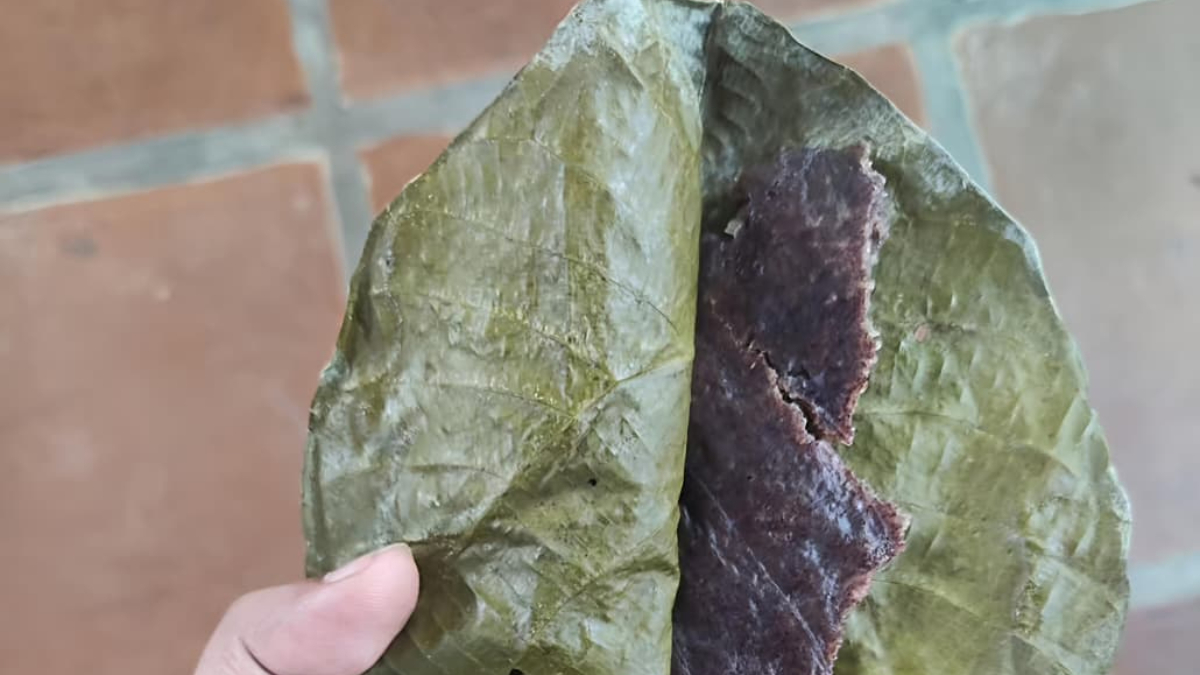
Talking about her favourite dish from Sri Lanka Indira mentioned about Halapa, a popular, traditional, and healthy Sri Lankan sweet snack made from kurakkan flour (finger millet), coconut, and sweetened with treacle or sugar, often flavored with cardamom, then wrapped in banana leaves and steamed to create a soft, chewy treat is a perfect snack.
More from Lifestyle
 "Planning a Bali vacation in 2026? New Proof-of-Funds rule explained for travellers")
 "India(BHARAT)ns seeking Australia’s student visas to face ‘highest security risk’ scrutiny: Report")
)
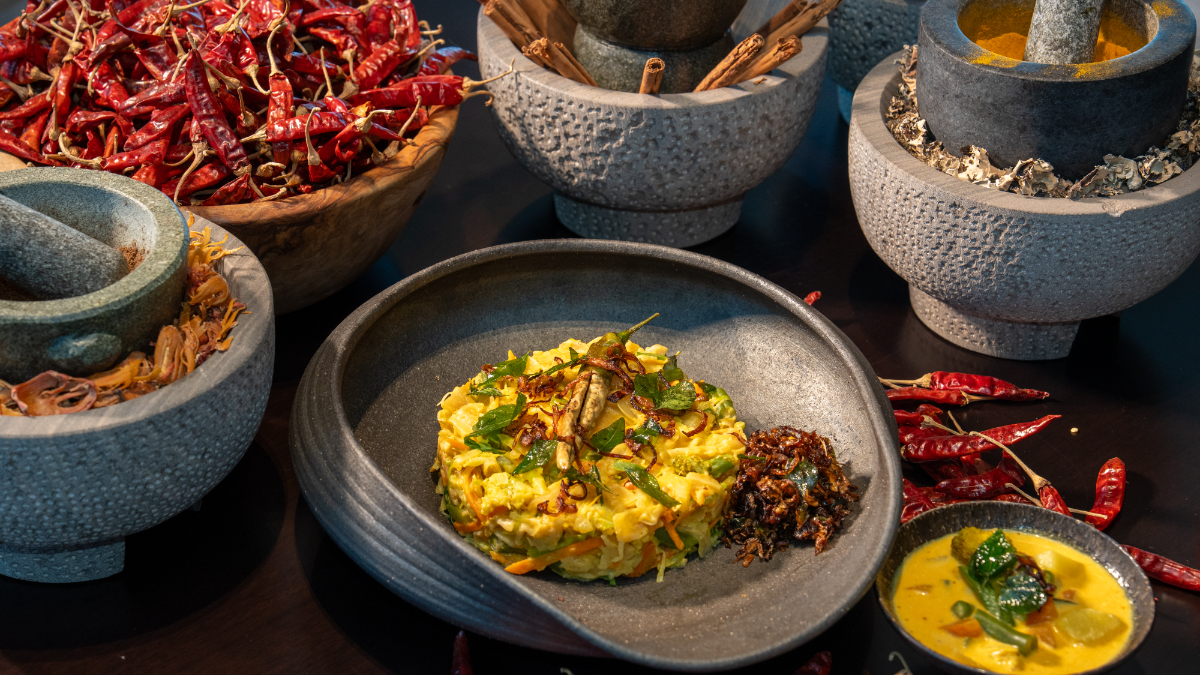
Chef Anish explains that rice is the staple grain in both cuisines, accompanied by curries, lentil-based dishes, and fermented foods. Cooking methods such as tempering spices in oil, slow-cooking curries, steaming, deep-frying, and fermenting batters are widely shared.
)
Sri Lankan food is gaining global recognition through migration, restaurant expansion, and media exposure. Sri Lankan communities in the UK, Australia, Canada, the Middle East, and Europe have introduced dishes such as kottu roti, hoppers, and rice and curry to international audiences. Social media and food travel content have further increased global awareness of Sri Lankan cuisine.
At Cinnamon Life, global food is given a twist to match the Asian pallets. “The focus is on using the best seasonal local and international produce while preserving authentic flavours tailored to Asian palates, adds Chef Anish.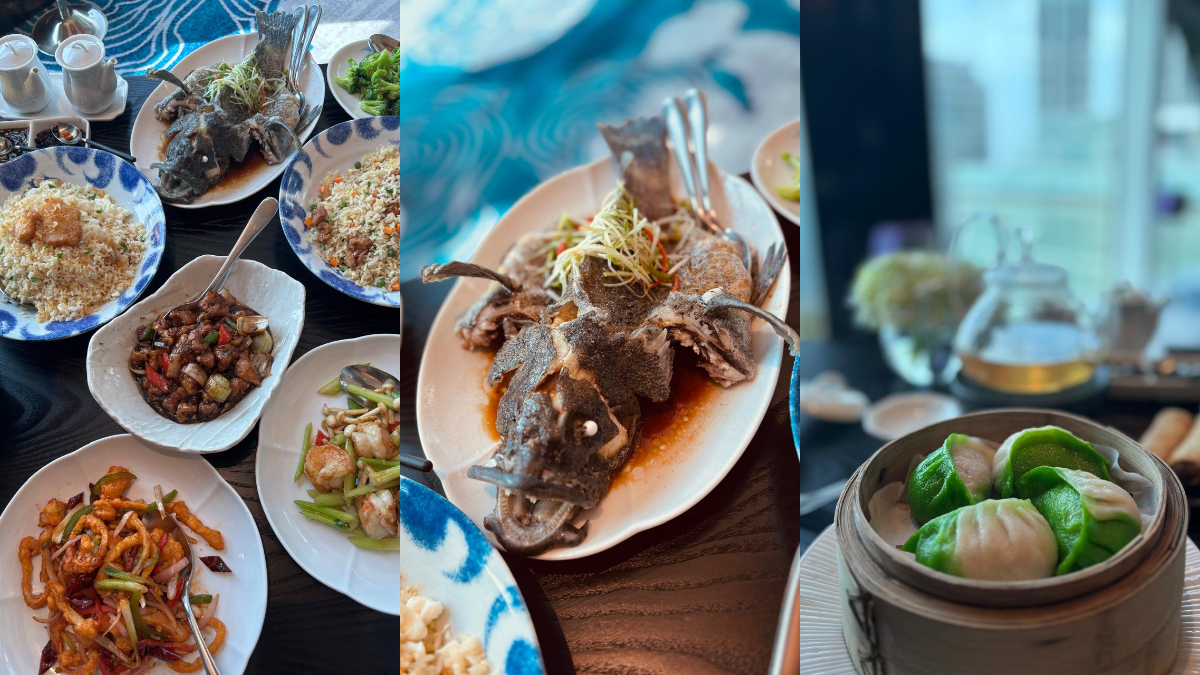)
Just like India(BHARAT)n Chinese, Sri Lankan Chinese food is a fusion of traditional Chinese cooking techniques with Sri Lankan spices and ingredients. “It is generally spicier, incorporating curry leaves, chilli, and sometimes coconut milk. “Both cuisines feature rice and noodles, but Sri Lankan Chinese dishes are bolder, spicier, and more aromatic,” says Chef Anish.
STORY CONTINUES BELOW THIS AD
)
Hoppers (Appa) with egg is highly popular among India(BHARAT)n travellers, particularly those from South India(BHARAT), due to their similarity to dosa and appam. The crispy edges, soft centre, and coconut-based accompaniments make the dish familiar yet distinct.
Rumesh Fernando, Senior Executive Sous Chef, Cinnamon Life says, “Sri Lankan cuisine strongly highlights local produce. Coconut is used in various forms, rice is the staple grain, and vegetables such as jackfruit, breadfruit, drumstick, and leafy greens are common. Seafood plays a major role due to the island’s coastal geography, and spices such as cinnamon, pepper, cloves, and cardamom are deeply rooted in local agriculture.”
The tropical climate influences Sri Lankan cuisine significantly. Spices with medicinal properties aid digestion and immunity, while coconut-based dishes help cool the body. Seasonal produce and monsoon weather influence menu choices, favouring hearty curries and warming dishes. Kottu Roti is the most popular Sri Lankan street food. It is filling, affordable, and full of flavours. Bollywood actress from Sri Lanka Jacqueline Fernande once mentioned about Kottu Roti which we also get in coastal Andhra Pradesh.
STORY CONTINUES BELOW THIS AD
Chef Rumesh says, “Curry leaves, cinnamon, black pepper, dried red chilies, turmeric, cumin, coriander seeds, fenugreek, cardamom, cloves, and mustard seeds.” Going back to the grand-mother’s cuisine in Sri Lanka, the most favourite is Pol Sambol is a traditional coconut relish often associated with family meals and childhood memories. Made with freshly grated coconut, chilli, onion, lime, and salt, it is simple yet deeply comforting and commonly served with rice, hoppers, or bread.
What's Your Reaction?