























13 of the best literary love stories to read this Valentine's Day
There's nothing like curling up with a good book, whether it tells you one of the most absorbing stories you have ever read and takes you on a ride, or whether it understands parts of you that have felt too hard to put into words before.
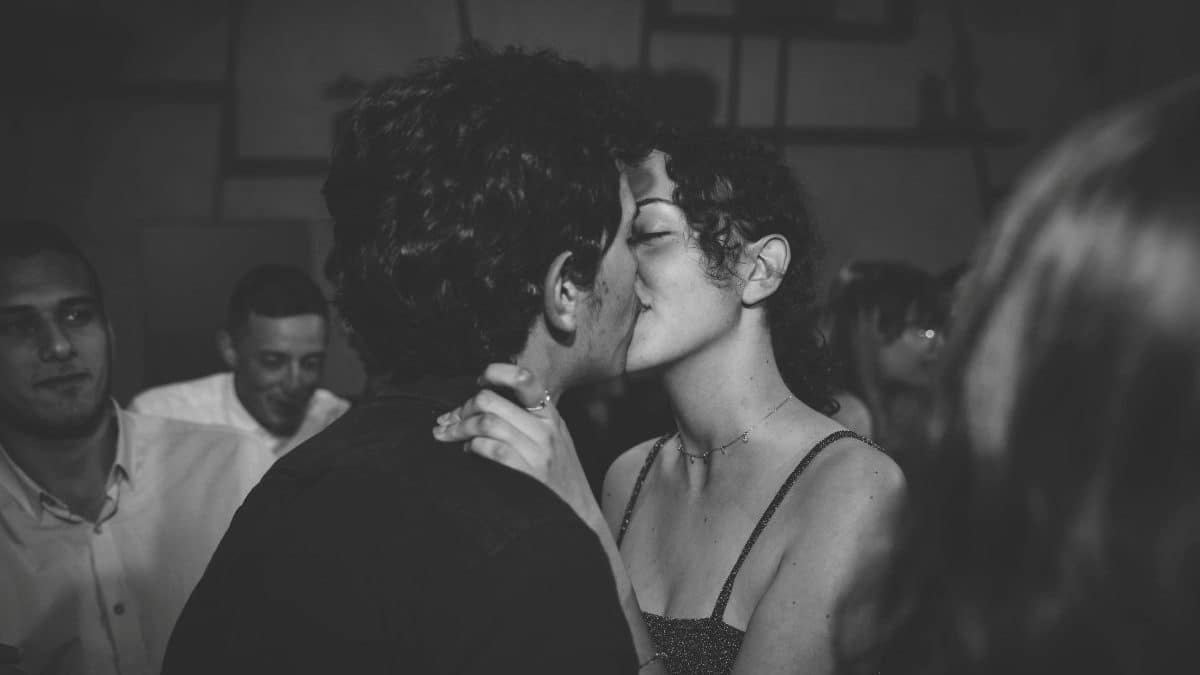
Just to be clear, these are not necessarily happy stories, or stories with admirable relationships. They are simply books with a lot of love in them.
‘I’m a Fan’ by Sheena Patel:
There are power dynamics in love. Patel’s book digs through most emotions we want to put into a chest of drawers and lock away — obsession, stalking someone online, the class difference and, well, cheating.
The unnamed narrator in Patel’s book (a young woman in her mid twenties) is involved with a married man and absolutely cannot stop stalking her online. There is much to uncover, and her prose is brutal, speaking of how fierce and ugly love can be but also questioning why we put ourselves through it in the first place. It almost doesn’t matter, self-respect goes to shreds and she’ll do anything to simply cling to a piece of the man she loves.
STORY CONTINUES BELOW THIS AD
More from Lifestyle
 "From viral robot vacuum clip to Winter Olympics staple: What exactly is curling?")
 "From Netflix's 'Taskaree' actor Sharad Kelkar to Akshay Kumar: Actors who essayed female characters on screen")
‘Tess of the D’Urbervilles’ by Thomas Hardy:
An awfully devastating book Tess is a story with little reprieve. There are many dark elements to the story, and it is best to go in blind. It tells the story of Tess Durbeyfield, men who have treated her horribly, and men she has fallen in love with.
‘Normal People’ by Sally Rooney:
Normal People follows Marianne and Connell from a secret teenage relationship in small-town Ireland to an intense, twisting bond at university in Dublin. They repeatedly find themselves together and apart, undone by pride, miscommunication and multiple wounds of their own. Rooney makes their connection feel intimate, capturing the awkwardness of young adulthood and the fear of being unloved. The novel is enticing because it turns ordinary moments into emotional turning points, showing how small silences and missed chances can shape entire lives. It’s a fairly universal portrayal of love’s power to wound and transform.
The TV show is one of the most faithful literary adaptations to exist.
‘The Thorn Birds’ by Colleen McCullough:
The Thorn Birds is framed as a grand, forbidden romance between Meggie Cleary and the ambitious priest Ralph de Bricassart, a love stretched across decades by ambition, faith and sacrifice. Their bond is shaped by longing rather than fulfilment, giving the story its tragic sweep. Yet the novel’s emotional power is inseparable from its Australian setting: the vast sheep station of Drogheda, violent storms, drought and distance intensify every feeling. The landscape mirrors the lovers’ endurance and isolation. For all its melodrama, the book endures as a literary love story because it weds passion, suffering and place into one sweeping tale
‘Open Water’ by Caleb Azumah Nelson:
Another perfect novel for our times, Open Water talks about masculinity and what it means to be a Black man in London. Nelson is a stunning writer — he writes in second person, a colossal feat and you will embody the man that he writes about.
The book traces the fragile beginnings of a relationship between a young Black photographer and a dancer in south-east London. Azumah’s prose is sensuous and lyrical and laced with references to music he has so clearly been moved by himself. No summary or synopsis can do this slim little book justice, it is a must read.
STORY CONTINUES BELOW THIS AD
‘The Blue Castle’ by LM Montgomery:
The Blue Castle is one of Montgomery’s rare adult novels, set in Ontario’s Muskoka region. It follows 29-year-old Valancy Stirling, trapped in a suffocating, judgmental family who treat her as a failure. After mistakenly believing she has a fatal heart condition, Valancy rebels —speaking her mind, leaving home, and impulsively marrying the mysterious Barney Snaith. Her act of defiance turns into true love, set against the beauty of lakes and forests. Blending romance, wit and quiet feminism, the novel celebrates late-blooming courage, self-worth and the freedom to choose one’s own happiness.
‘Alone With You in the Ether’ by Olivie Blake:
Alone With You in the Ether by Olivie Blake is an intense, cerebral love story about two people who meet by chance in a Chicago art museum and spiral into a relationship after deciding to meet each other only six times. Aldo, a mathematician obsessed with time and patterns, and Regan is an artist who is figuring out how Bipolar disorder is taking over her life. Both of the characters are flawed, and unlikeable (at times) but their relationship is a ride where they realise that they want to understand each other and where they come from. They adjust around each other’s quirks.
‘One Day’ by David Nicholls:
One Day follows Emma Morley, a plain, fun and hilarious girl, and Dexter Mayhew, a cocky, fun and sensitive boy who sleep together on the night of their university graduation in 1988. They spend one significant day together —15 July, and the novel returns to that same date each year for the next twenty years. Through these annual glimpses, we watch their lives: Emma’s struggle to build a meaningful career and stay true to her ideals, Dexter’s rise and fall through fame, excess and disillusionment.
Though they slip in and out of each other’s lives (why does this happen so much in love?) — sometimes close, sometimes estranged, their connection endures. The story is about timing, friendship, ambition and the slow, complicated evolution of life and how love falls into place.
STORY CONTINUES BELOW THIS AD
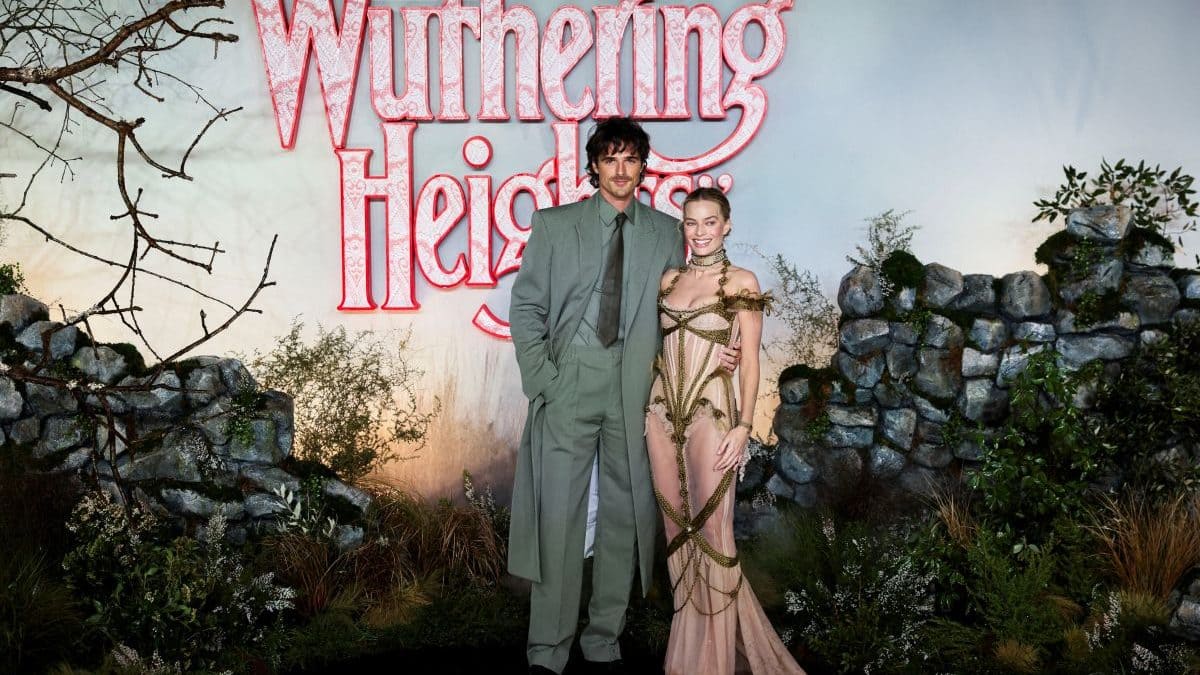
‘Wuthering Heights’ by Emily Bronte:
The book is better than the film. Any film. Another story which is best when you go in blind, but is atmospheric and riveting and will sweep you up so terribly that you shall dream about it.
‘Half of a Yellow Sun’ by Chimamanda Ngozi Adichie:
Half of a Yellow Sun is a love story shaped by history’s violence. There are tangled, imperfect relationships — Olanna and Odenigbo’s fragile devotion, Richard’s yearning to belong through his love for Kainene, and the loyalties that bind friends and family. Adichie shows how love persists through betrayal, distance and war, yet is never untouched by them. The romance here is tested by ideology, pride and survival, which makes every tenderness feel immensely real.
‘Widow Basquiat’ by Jennifer Clement:
There is no other way to describe it: Jennifer Clement’s Widow Basquiat is a fever dream of a book. You feel like you are in its world, 1980s New York, planted in the midst of the art scene, vivid characters, living their giant lives beside you.
Clement begins the book by introducing us to a young Suzanne Mallouk, and we meet Jean Michel Basquiat through her eyes as they begin their love affair where art, addiction and inequality collide in violent and dazzling ways.
Suzanne is introduced when she is a young girl – but the reader does not form the impression that she is fragile for a moment, she has lived in an abusive home and has always known she is going to escape – and therefore she does. She tells little girls that she sees on the street that she can hear their heart, and perhaps that is when the reader falls in love with her. She meets Jean Michel when she works as a bartender in NYC. Not much time is allotted to yearning, their love affair is feral, quick and large.
STORY CONTINUES BELOW THIS AD
‘Maurice’ by EM Forster:
E.M. Forster’s Maurice was written in 1913 but published after his death. It follows Maurice Hall’s journey from confusion and repression to self-acceptance in Edwardian England. His early, intellectualised romance with Clive collapses under social pressure, exposing the cost of respectability. In Alec Scudder, a gamekeeper, Maurice finds a love that is physical and real. Forster contrasts suffocating drawing rooms with the liberating darkness of the greenwood, offering an unusually hopeful ending. Imperfect yet radical, Maurice insists that happiness, however hidden, was possible, even when the world refused to see it.
‘Getting Lost’ by Annie Ernaux:
Getting Lost reads as simple journal entries from Ernaux’s late forties, as she has an affair with a married Soviet diplomat in Paris. The amount of sex they have is impressive and described with a raw eye for detail.
What makes the book as touching as it is, however, is how she speaks of how she feels. Love, as we’ve heard of it, is ideally supposed to blanket us with security and safety, but S (her lover), does exactly the opposite as she spirals into obsession. The book is a miracle because it talks about the ugliness of love alongside everything else – how loving is a game of simply waiting, waiting for someone else to call back, to write, to visit, to acknowledge your existence to make you feel seen?
STORY CONTINUES BELOW THIS AD
What's Your Reaction?