


































Britney Spears sells entire catalogue of music
The singer has reportedly struck a $200 million deal with Primary Wave.

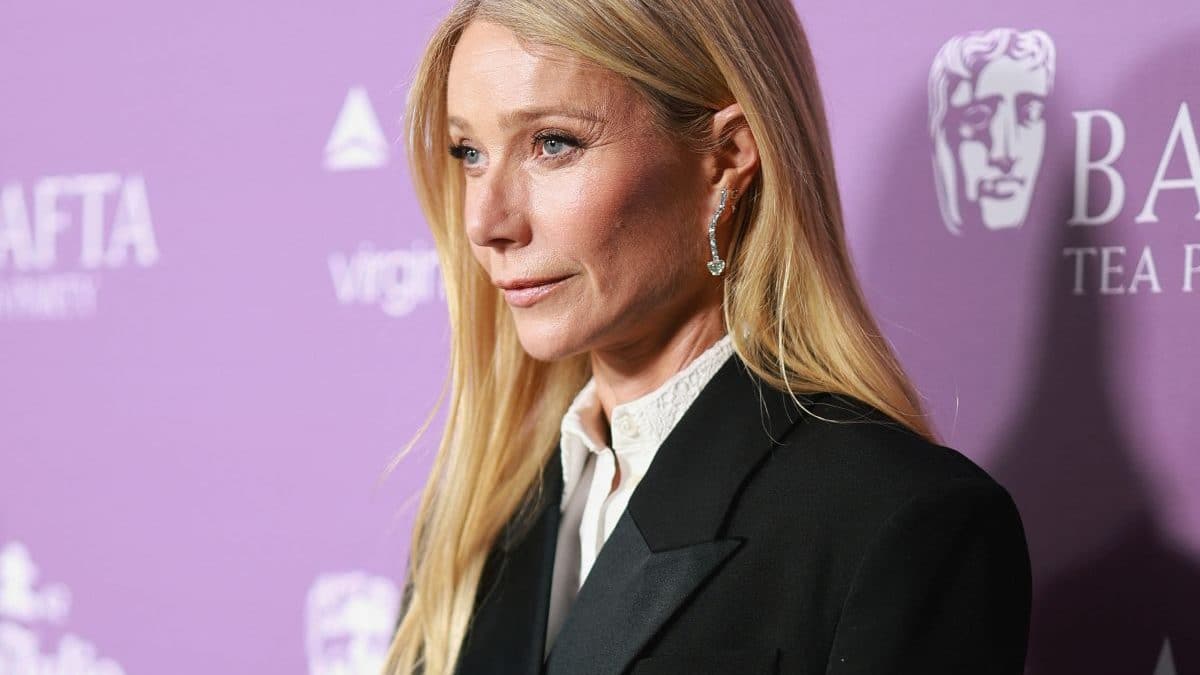
When Britney Spears burst onto the global stage in 1999 with “Baby One More Time,” she reset the axis of pop culture. Now, more than 25 years later, the singer has formally drawn a line under that era, selling the rights to her entire music catalogue to independent publisher Primary Wave in a deal reportedly worth around $200 million.
The agreement, signed on December 30 according to multiple reports, transfers ownership of a body of work that soundtracked a generation: “Oops!… I Did It Again,” “Toxic,” “Gimme More,” “Stronger,” “I’m a Slave 4 U,” “Womanizer,” and dozens more. Whilst neither Spears nor Primary Wave have publicly confirmed the price, the figure places her among the upper tier of artists who have monetised their catalogues in a booming market for music rights.
STORY CONTINUES BELOW THIS AD
Over the past five years, legacy acts and contemporary superstars alike have capitalised on surging valuations driven by streaming stability, sync licensing demand and private equity investment. Bruce Springsteen reportedly sold his catalogue for $500 million. Justin Bieber secured a deal valued around $200 million. Bob Dylan, Shakira, Neil Young and others have followed similar paths. Spears’ sale situates her firmly within that lineage — not merely as a pop star, but as an enduring commercial force.
Primary Wave, founded by music executive Lawrence Mestel, has built one of the industry’s most formidable publishing empires. Its portfolio includes stakes in the estates or catalogues of Prince, Whitney Houston, Notorious B.I.G., Bob Marley and Stevie Nicks, among others. The company specialises in active brand management — leveraging songs across film, television, advertising and new media platforms to extend cultural lifespan.
For Spears, the sale carries symbolic weight beyond its financial magnitude.
In January 2024, she declared she would “never return to the music industry,” following years of public scrutiny and the eventual termination of a 13-year conservatorship that controlled both her personal and professional life. Her final musical release was a 2022 duet with Elton John, a reimagining of “Tiny Dancer” that briefly returned her to the charts.
The conservatorship’s end in 2021 marked a profound turning point. Freed from legal constraints that governed her finances and creative output, Spears retreated from the performance circuit. Instead, she turned inward, publishing her memoir The Woman in Me in 2023, a candid account of fame, control and survival. The book reframed her narrative — no longer tabloid spectacle, but a woman reclaiming authorship of her own story. It was tremendously admirable.
STORY CONTINUES BELOW THIS AD
Selling her catalogue can be read as another act of reclamation. For decades, Spears’ music generated immense revenue within structures she did not fully command. By consolidating and selling the rights now (reportedly on terms comparable to her male contemporaries), she participates in an industry shift that allows artists to convert intangible legacy into tangible autonomy.
The catalogue itself is no minor asset. Across nine studio albums, Spears helped define the late-’90s teen-pop explosion before pivoting into darker, more experimental electro-pop territory in the 2000s. “Toxic,” in particular, has become one of the most recognisable pop songs of the 21st century, continually rediscovered through streaming platforms and viral social media cycles. Her music remains embedded in fashion, film, drag performance and internet culture.
The transaction also feels like a solidified goodbye. Unlike Taylor Swift, who famously re-recorded her early albums to regain control, Spears has shown no interest in revisiting or reinterpreting her past work. Spears appears to have chosen finality.
STORY CONTINUES BELOW THIS AD
At 44, with more than 150 million records sold worldwide, she remains one of the best-selling female artists in history. If the first chapter of her career was about explosive ascent, and the second about endurance under constraint, this third appears to be about detachment.
The girl in the school uniform, the tabloid fixation, the Las Vegas headliner, the reluctant symbol of legal reform — all of them now reside in a catalogue that will continue to circulate long after its creator has stepped away.
What's Your Reaction?