




























How Work Conditions Impact Mental Health
Broadcast Retirement Network's Jeffrey Snyder discusses the impact of work conditions to Mental Health with the Cleveland Clinic's Douglas McLaughlin, DO. Jeffrey Snyder, Broadcaset Retirement Network This morning on BRN Lifestyle, how work conditions impact your mental health. Joining me now ...
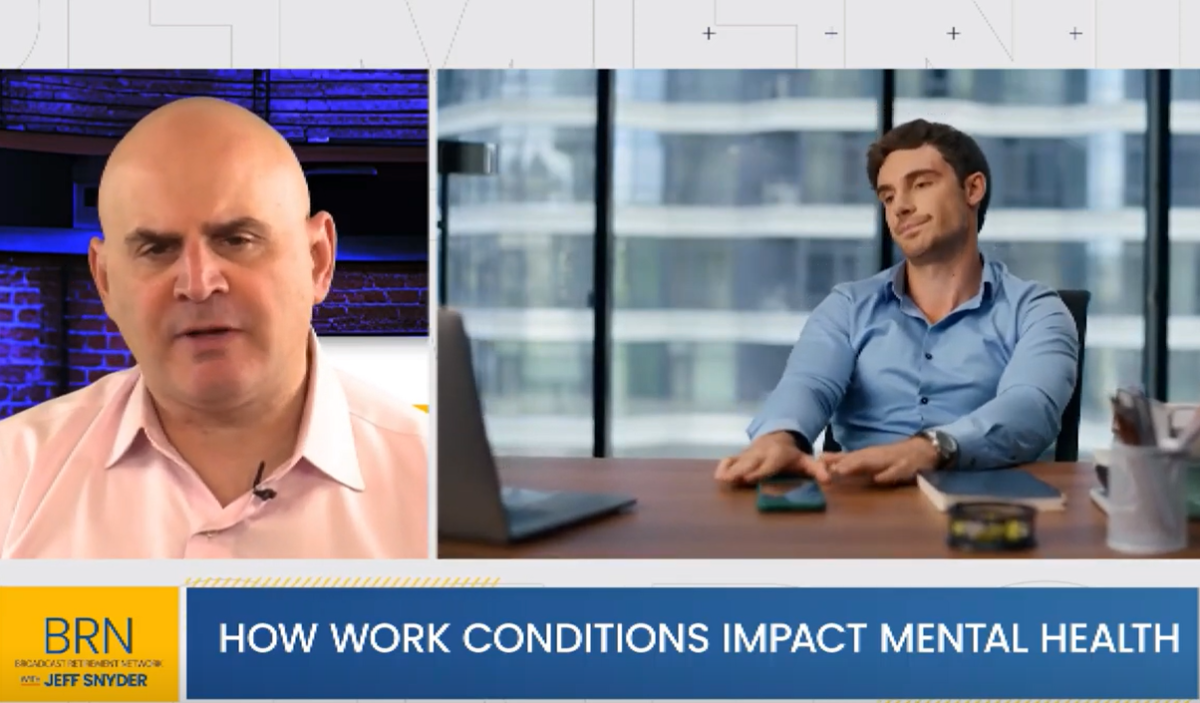
Not having paid sick leave, working night shifts and lacking consistency in schedule or pay can cause serious psychological distress
Broadcast Retirement Network's Jeffrey Snyder discusses the impact of work conditions to Mental Health with the Cleveland Clinic's Douglas McLaughlin, DO.
Jeffrey Snyder, Broadcaset Retirement Network
This morning on BRN Lifestyle, how work conditions impact your mental health. Joining me now to discuss this is Dr. Douglas McLaughlin of the Cleveland Clinic. Dr. McLaughlin, thanks for joining us this morning. Really great to have you. Absolutely, thanks for having me. Let's start off with a basic question and I wanna get your insight and your expertise.
How do our work conditions, how we work, where we work, do they affect our overall wellbeing and our mental health?
Dr. Douglas McLaughlin, DO, Cleveland Clinic
Well, certainly there's some overlap with all of that. So we often kind of look at what we call a kind of work-life balance and making sure if you're fortunate enough to have an employed position to be able to not spend your whole life working, right? You have to also enjoy family and hobbies and interests and the big picture, work-life balance.
Jeffrey Snyder, Broadcaset Retirement Network
Yeah, absolutely. And does it matter, for example, if I have an office job or if I have a job, for example, let's say I'm a Amazon driver or I work in the oil fields. I mean, does that type of, where you do your work, does that impact your mental health?
Dr. Douglas McLaughlin, DO, Cleveland Clinic
Yeah, I mean, I think people should choose where they are most comfortable working, whether they wanna be outside or in a research laboratory, working from home remote. There's pros and cons to all of those things, but I think that the concept of work-life balance still resonates wherever you're working.
Jeffrey Snyder, Broadcaset Retirement Network
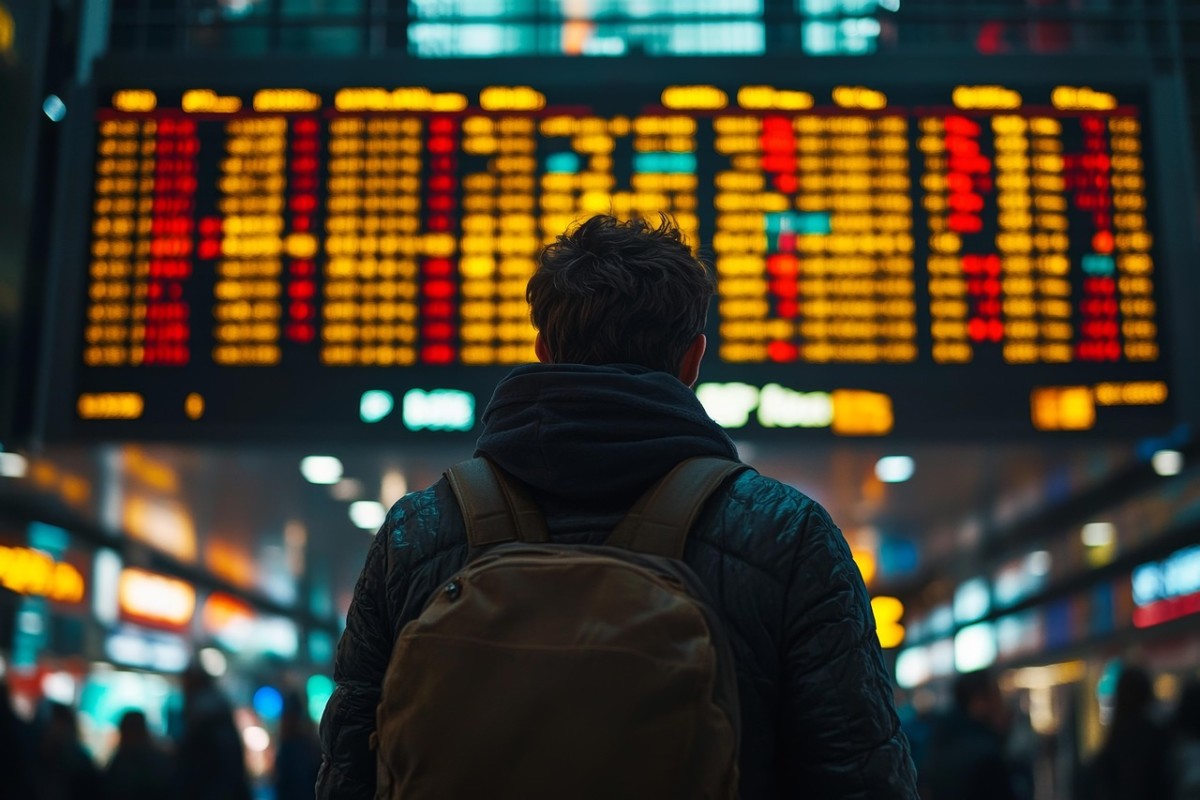
And does that seem to differ if I'm a third shift employee versus first or second shift? So I work, maybe work nights and this would be hospital workers or EMTs or police firefighters, people who, or it could be factory workers. I mean, does that have an impact on our mental health?
Dr. Douglas McLaughlin, DO, Cleveland Clinic
Yeah, certainly. I mean, it can play a role into work stress if you're working night shifts, especially if it's shift work. So maybe you have a couple of days where you're night and then you flip it and you have some time during the day.
And so, again, some people will prefer that, like people doing hospital work as a physician, it's working with the night shift folks, often they'll choose that. Some of it is just the lifestyle, it works better for them. Some of it is just the practical nature of their family and their kids and parents and what they need to do.
But shift work can be a challenge. So it definitely can affect your overall sleep cycle, which then gets into affecting that rejuvenating sleep and what we call kind of the deep wave sleep. And so if you're not able to balance that out and make sure you're getting enough sleep, then it will absolutely have an adverse effect on the quality of your mental health.
Jeffrey Snyder, Broadcaset Retirement Network
Yeah, and you talked about the work-life balance and I think, you know, regardless, I would think regardless of what shift you work and how you work, it's very important. Are there things that as an employer should be either looking out for or be offering to workers to help their mental wellbeing and with that work-life balance?
Dr. Douglas McLaughlin, DO, Cleveland Clinic
Yeah, I think it's important for the employer to realize what a job does for a person, right? So it gives them structure, it brings, you know, social purpose, self-esteem, it engages people in life overall. And so if you start with the employer understanding that, and then you kind of look at what might an employee seek from their employer, right?
So beyond money, like we call a lot of this is like the secondary benefits of employment. So making sure that the workplace is, you know, first and foremost, a safe environment to work, making sure that you're encouraging teamwork, you know, making sure the patient or the employee feels that their work matters, right? So don't just send out surveys and ask questions and then don't make change, right?
Like if you're gonna look for feedback, do something with it and accept honest feedback from your employees and make sure that there's growth opportunities, right? So people wanna feel like they're not just stuck in what they're doing, but that there's potential to move up or do something different, you know? So flexibility is the key.
And really looking at what we all learned during this pandemic with COVID is, you know, flexibility is absolutely paramount and having this now, like the hybrid options to work, employees are actually a little bit more empowered now than ever to be able to kind of asking for stuff we used to not think about, right? So employers need to be aware.
Jeffrey Snyder, Broadcaset Retirement Network
Yeah, and I just wanna pick up on, you started talking about ancillary or secondary benefits. I think a lot of employers are being flexible or at least considering being flexible because there's a lot of job insecurity out there. I think there's a lot of, you know, with inflation, there's financial insecurity.
What's your perspective on that, sir?
Dr. Douglas McLaughlin, DO, Cleveland Clinic
Yeah, absolutely. I mean, the insecurity is again, another stressor, you know, in your life, right? If you're not sure if you're gonna have your job next week, it's hard to plan for your future, for your family.
And having that ability to also, you know, have confidence that if you need to take time off work, that you're gonna still have a job when you return, whether that's vacation time, you know, to rejuvenate or whether it's, you know, family leave or help, you know, care for your own health or your family's health. But so that family leave act that came into play a few years back, you know, it's essential to providing that job security for people.
Jeffrey Snyder, Broadcaset Retirement Network
Yeah, secure. I mean, you don't wanna put yourself at risk. I think a lot of people in the past maybe felt like, okay, if I don't go to work, then I'm not needed.
And if I'm not needed, I'm not gonna have a job. That creates a lot of stress.
Dr. Douglas McLaughlin, DO, Cleveland Clinic
Yeah, I think that we've shifted that, you know, hopefully. And even, you know, the idea of having a benefit of some paid sick leave is also important. Maternity leave has morphed now into also paternity leave, which is super important.
And so all of these things create a better culture and a better society. And I mean, really, if you're going to work because you have none of those benefits and you're sick and you're not well, your performance obviously isn't gonna be the best. You're gonna put yourself at risk for losing your job for not performing.
And you're also gonna spread potentially whatever illness you have, you know, possible. And so overall, you're gonna be less productive. And then if you do lose your job, the few folks remaining in your area, right, are then gonna be taxed with picking up your workload while they're trying to find someone else to fill that spot.
So it creates a downward spiral, you know?
Jeffrey Snyder, Broadcaset Retirement Network
Oh, it does. And I think, you know, anecdotally, I think that, you know, employers, I think, look at this now and say, I want productivity and I don't wanna have to train up people. It costs a lot to train an employee, especially certain types of employees.
They don't wanna have to do that. Let me ask you about workplace stress. And if I'm feeling stressed, not me personally, but if someone is feeling stressed, how do you know how to seek help or when to seek help, how to seek help, and where to seek help?
Dr. Douglas McLaughlin, DO, Cleveland Clinic
Well, again, I mean, just being aware that this discussion, you know, is taking place, that people deserve to feel, you know, healthy and to basically be able to enjoy, you know, life, right? So when I see people that are struggling with their mental health, but don't really wanna engage maybe in taking a medicine or even engaging at all, I look at what we call the somatic or physical changes, right? So if you start to see major changes in your sleep patterns, in your concentration, in your appetite, I mean, and it could go up or down, like weight can go significantly up when people are stressed or it can go significantly down.
So those physical changes, that's what I would say to look for and make sure you reach out and get the proper help. And, you know, the goal is to return to that, you know, full joy in life and not be the victim from this.
Jeffrey Snyder, Broadcaset Retirement Network
Yeah, I mean, you should have a positive, I think if you have a more positive outlook on life. Yeah, absolutely. It's not only better for you, but definitely better for everyone around you.
Yeah, yeah, I would agree. Yeah, well, Dr. McLaughlin, we're gonna have to leave it there. Great information, great research, and we look forward to having you back on the program.
Oh, it's wonderful, appreciate it. Yeah, thank you so much. And don't forget to subscribe to our daily newsletter, The Morning Pulse, for all the news and what place details, of course, at our website.
And we're back again tomorrow for another edition of BRN. Until then, I'm Jeff Snyder. Stay safe, keep on saving.
And don't forget, roll with the changes.
What's Your Reaction?