





























Imran Khan Row Escalates: PTI supporters clash with curfew, Raising alarms over digital crackdowns
PTI’s massive protests under Section 144 in Islamabad and Rawalpindi highlight rising digital controls, potential internet restrictions, and the growing intersection of political unrest, technology governance, and information access in Pakistan.

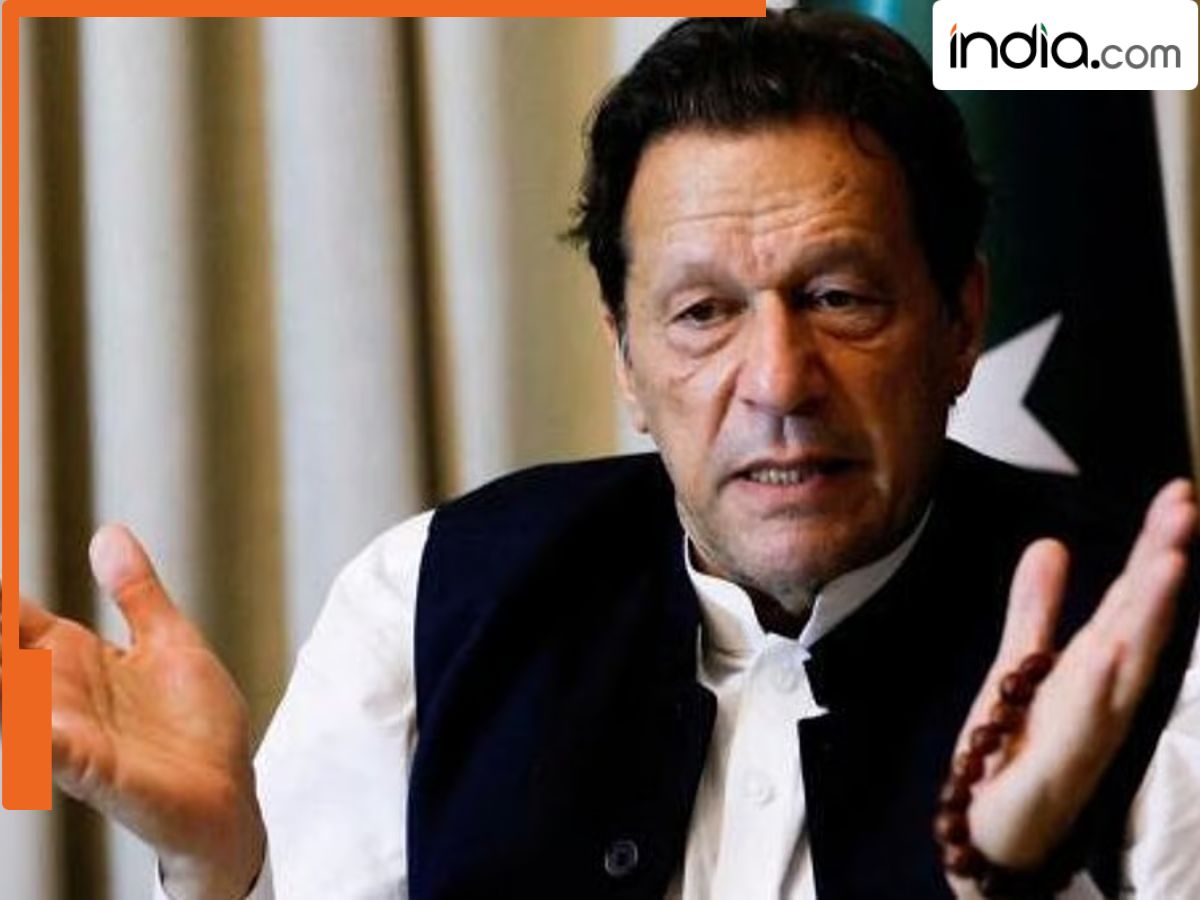
On 2 December 2025, Pakistan Tehreek-e-Insaf (PTI) party announced major protests across the twin cities of Islamabad and Rawalpindi, following the party’s claims that authorities had blocked them from visiting their leader Imran Khan at Adiala Jail.
Local and federal authorities then announced bans on public gatherings and rallies – under Section 144 of the CrPC – to quell demonstrations.
But in the 21st century, protests don’t just happen on streets: they also happen online. Disruptions resulting from the curfew, Section 144 and related restrictions will have a bigger impact at a time when communications infrastructure, social-media platforms and mobile internet are often the only lifeline many Pakistanis have to the outside world – and Islamabad and Rawalpindi may be the latest front lines of an emerging battle over information itself.
Section 144 has long included network controls as a tactical lever
Curbs such as Section 144 and a blanket curfew have often been used by authorities in Pakistan before major rallies or gatherings.
Monitoring of telecommunications – be it mobile networks, internet access and in some cases blocking of social-media platforms – has often been used as a means to prevent mobilisation, support and coordination.
In past instances, ahead of major PTI rallies, local administrations would often put in heavy police presence on the ground, seal roads leading to protest sites such as Adiala Jail, or detain protestors.
In the current situation, with reports that PTI has thousands ready to protest, and PTI leaders announcing protests outside the jail as well as at Islamabad High Court (IHC), authorities may again turn to network throttling, social-media crackdowns or mobile internet suspensions. All of these have precedent in past protests in Pakistan.
The same moves also create familiar questions for the tech ecosystem: ISPs, telecom firms and digital-rights observers all face the same question – how to remain resilient in network operations during a period of political disruption, and how to ensure free flow of information without contravening official orders.
Will Social Media or Citizen Journalism Fill the Vacuum?
Social-media platforms have also been central to modern protest movements. These enable supporters to digitally mobilise, coordinate, share logistics or videos and amplify demands.
In a city like Islamabad or Rawalpindi, where the physical town square is effectively shut by a curfew and ban on public gatherings, the Internet has effectively become a new “town square” of sorts.
But if authorities move to clampdown on that as well, it could push dissent underground or to encrypted messaging channels, which complicates reporting or transparency. For media organisations and journalists, some key questions that arise: will they be able to fact-check or verify events on the ground? Will independent or citizen journalists be able to report?
For technology companies – domestic ISPs, social platforms, mobile operators – such events test the policies they have in place for content moderation, blocking orders, and user rights. Their actions in such cases set precedents not just for Pakistan but for the region.
A Political Problem? Yes. A Digital Problem? Also, Yes
The developing situation around PTI, Imran Khan and large-scale protests under curfew and Section 144 restrictions is not just a political problem. It’s also a challenge for digital governance.
Governments that move to controls on networks or social-media platforms to dampen dissent also raise issues around free speech and transparency.
Network outages or throttling, meanwhile, can have severe consequences on the digital economy – e-commerce, digital payments or remittances, online learning, digital work and more.
For enterprises in Pakistan, such uncertainty around connectivity and potential for sudden regulatory interventions or disruptions can mean service interruptions and service quality problems, data flow and customer relations issues.
Beyond Pakistan, for the global tech community, flashpoints like this serve as a reminder of how political stability, rule of law and civil rights increasingly intersect with digital infrastructure.
What to Watch – Signals from Telecom and Media Providers
As protests heat up and the curfew situation develops, there will be a few important signals to watch:
Will we see data throttling from ISPs or mobile-internet providers?
Will there be spikes in usage or any signs of suppression on platforms like X, Facebook or WhatsApp?
Will citizen-journalists and independent media be able to report or document protests under curfew, or will digital blackouts make this largely invisible to the world?
For now, PTI’s planned protests appear to show that the nature of political mobilisation has changed. The streets and the gates of the jail are only one battlefront: the digital domain has become another – and just as important – part of the story.
In that sense, the protests under Section 144 across Islamabad and Rawalpindi will be — in addition to being a political matter – a real-time stress test for Pakistan’s digital infrastructure, media freedoms and the role of technology in modern governance. For technology – and the stakeholders who control it – how they react in such a situation could determine whether information remains free or becomes a casualty of the curfew as well.
What's Your Reaction?