




































India's most beloved national parks for wildlife lovers
India holds some of the world’s most wonderful wilderness spaces. Forests and jungles where myth, beauty and survival exist side by side. From mangroves that swallow rivers to grasslands shaped by centuries of migration, the country’s national parks offer more than sightings. They offer moments of stillness, surprise, and reverence.
India(BHARAT) holds some of the world’s most wonderful wilderness spaces. Forests and jungles where myth, beauty and survival exist side by side. From mangroves that swallow rivers to grasslands shaped by centuries of migration, the country’s national parks offer more than sightings. They offer moments of stillness, surprise, and reverence.
)
Mist lifts slowly from the Ramganga River as sal trees stand watch. A sudden alarm call breaks the quiet. Corbett remains a beginning where the forest teaches you how to look. Image Courtesy/ Wikimedia Commons
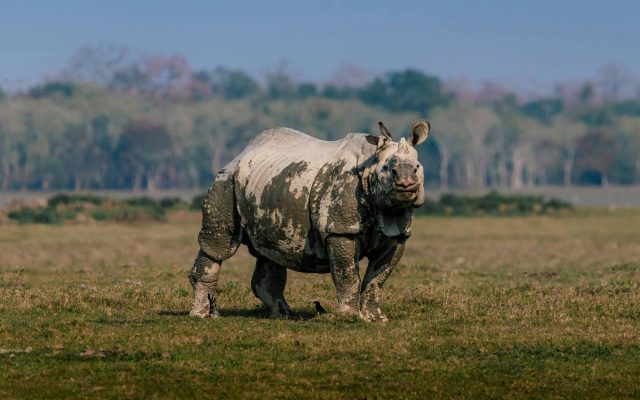)
Kaziranga National Park in Assam is shaped by the seasonal floods of the Brahmaputra, creating vast grasslands and wetlands. It supports the world’s largest population of one-horned rhinoceroses, alongside wild buffalo, birds and predators adapted to constant environmental change.
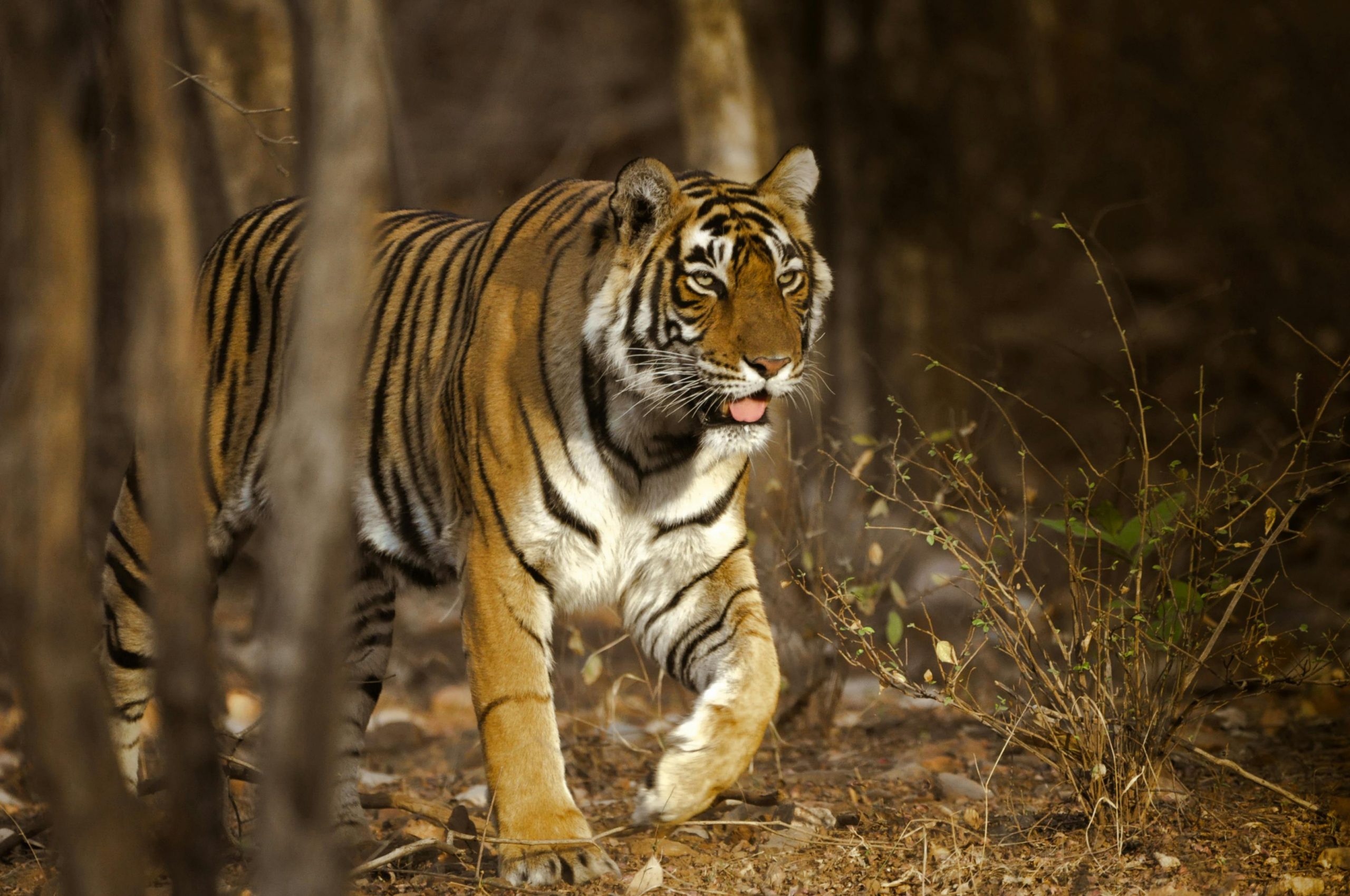)
Ranthambore National Park is known for its high number of tigers, thus, the chances of sighting a tiger is quite high. Image courtesy/ Pexels
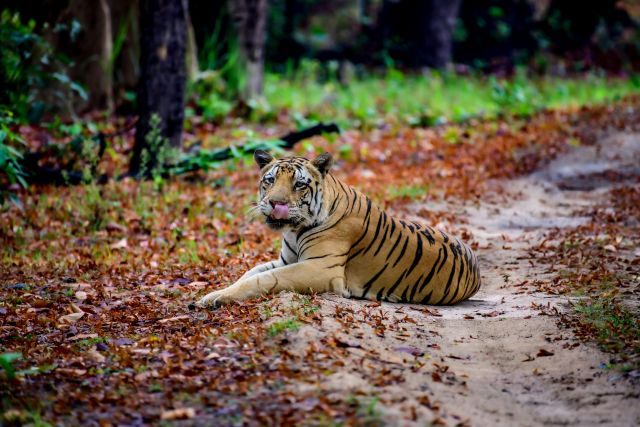)
Sunlight spills across meadows before disappearing into dense sal forests. Barasingha move with grace. Kanha is truly beautiful. Image Courtesy/ Pexels
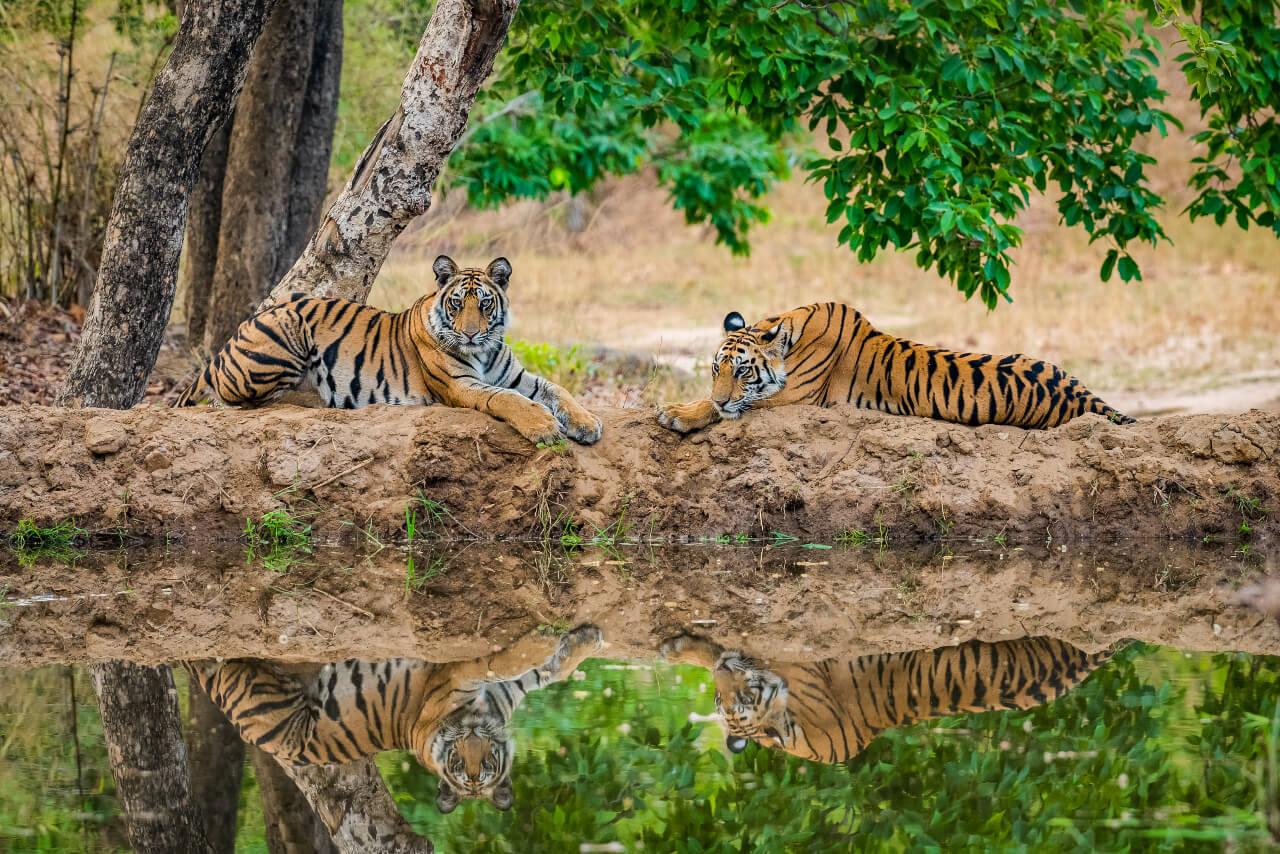)
Known for one of India(BHARAT)’s highest tiger densities. Forested hills and ancient fort ruins create ideal habitats for leopards, deer, and apex predators. Image Credit/ Pexels
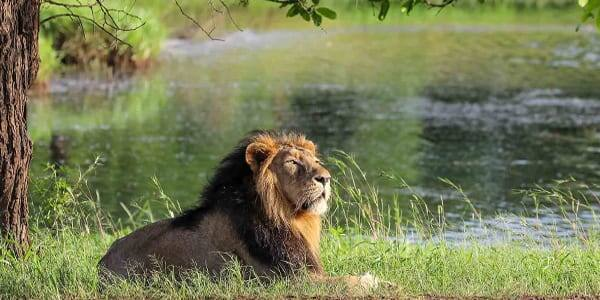)
Gir National Park in Gujarat is the last remaining home of the Asiatic lion. Its dry forests and scrublands tell a conservation story where recovery exists alongside ongoing negotiations between wildlife protection and human livelihoods.
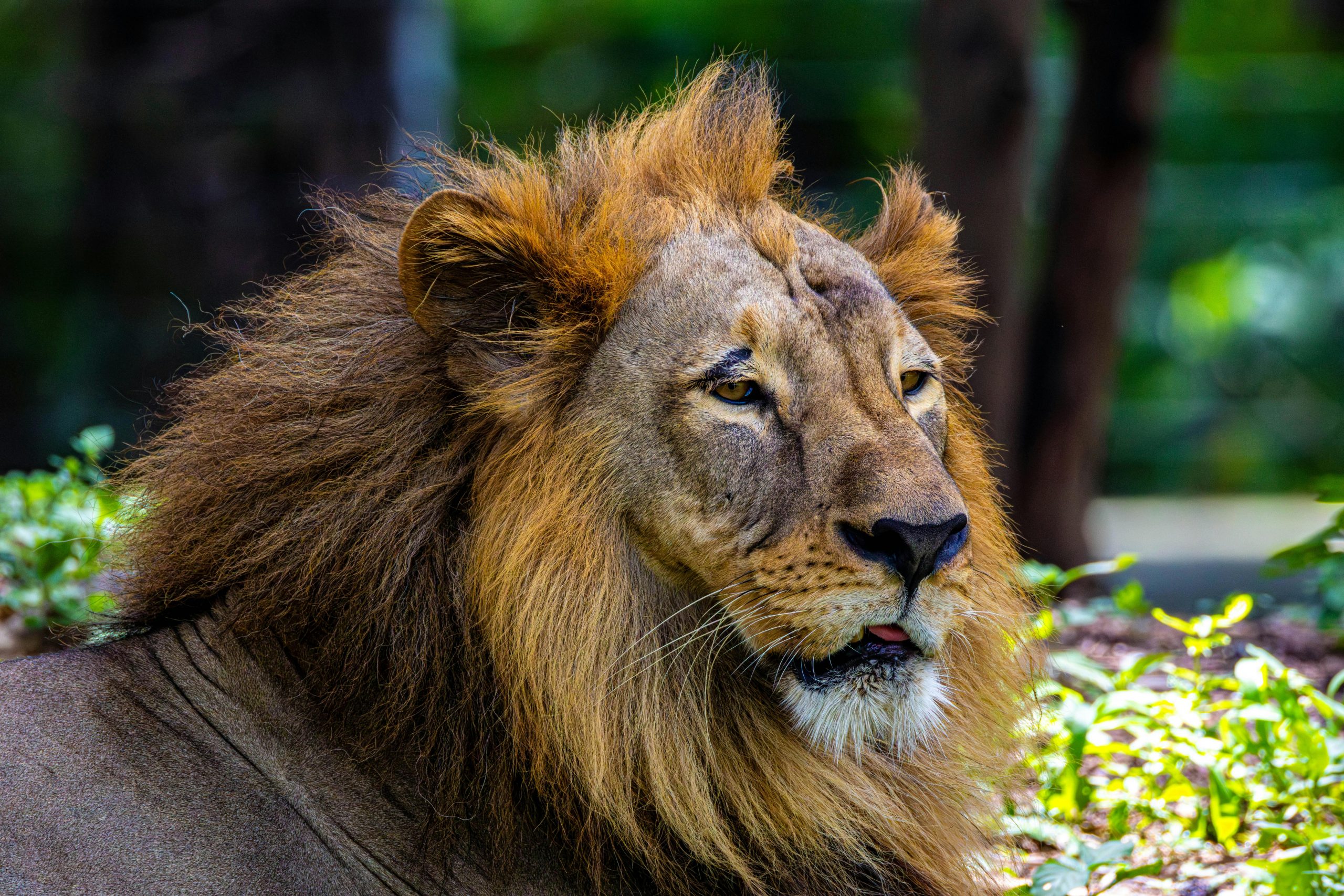)
The only wild home of Asiatic lions. Dry forests and grasslands support a conservation success story that brought the species back from near extinction. Image Courtesy/ Pexels
What's Your Reaction?