






















Is gathering the new medium? Inside India Art Fair 2026
From supper clubs to brand-hosted dinners, gathering has become a cultural language: one that is increasingly designed and curated.
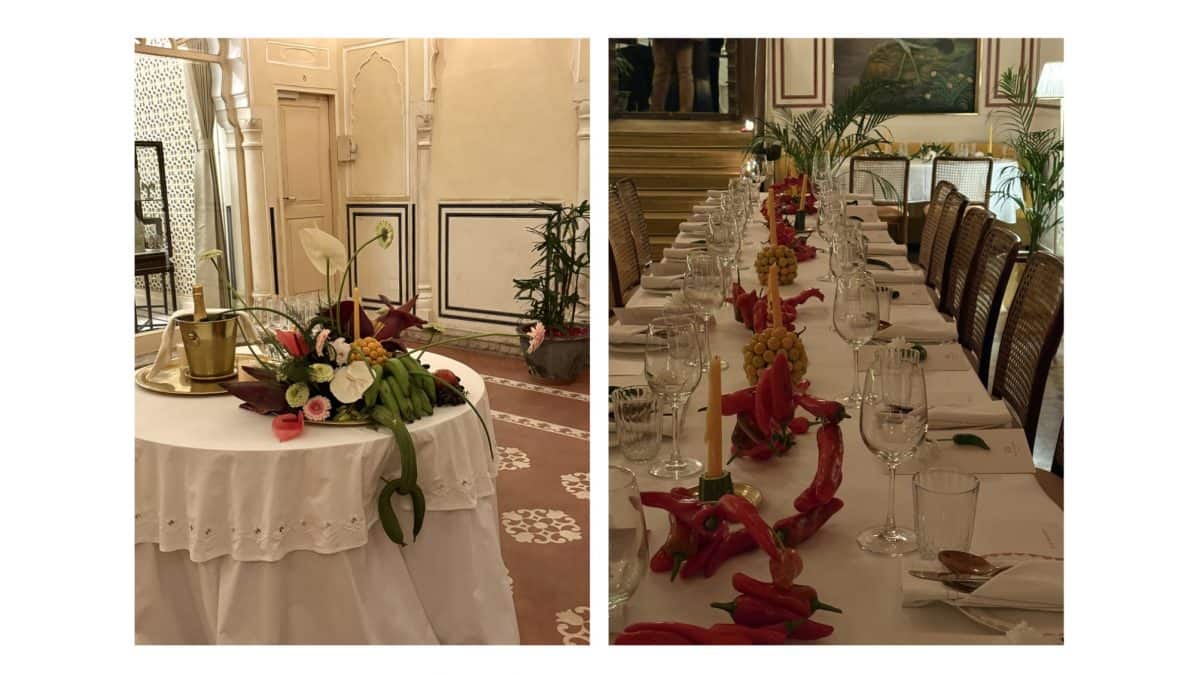
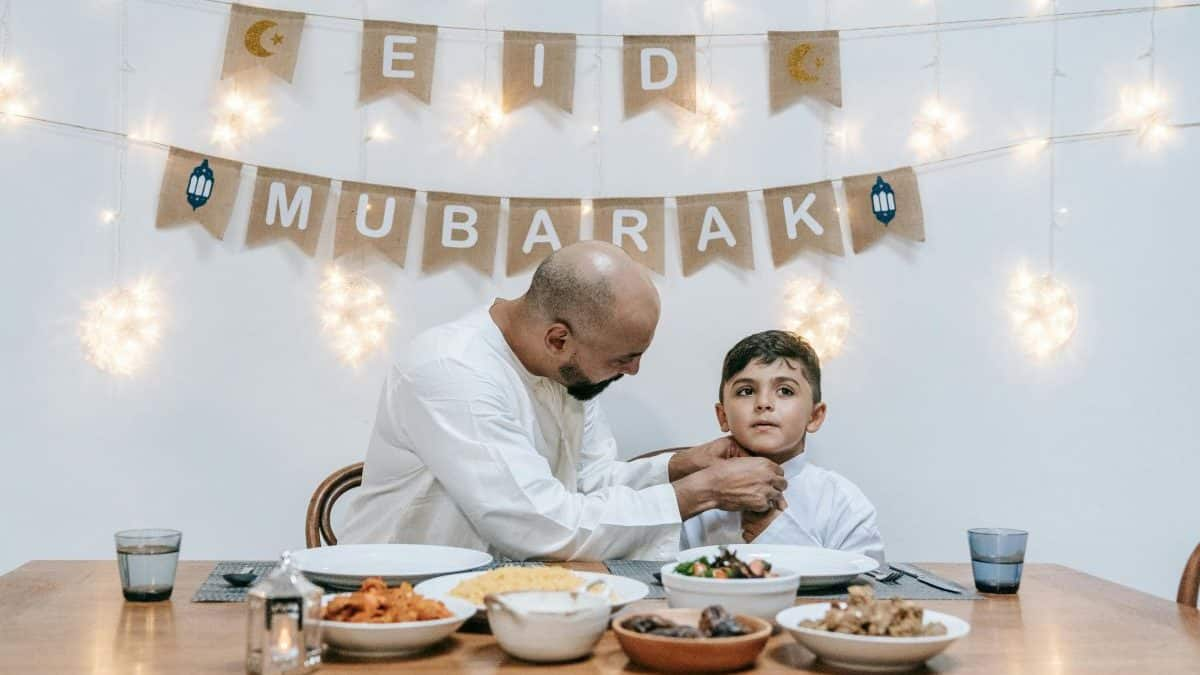
Lately, everyone seems to be gathering. From supper clubs and listening rooms to fashion houses hosting dinners and artists building kitchens into exhibitions, the act of coming together has acquired a certain cultural sheen. Once taken for granted, gathering is now being shaped, and staged, as a design choice.
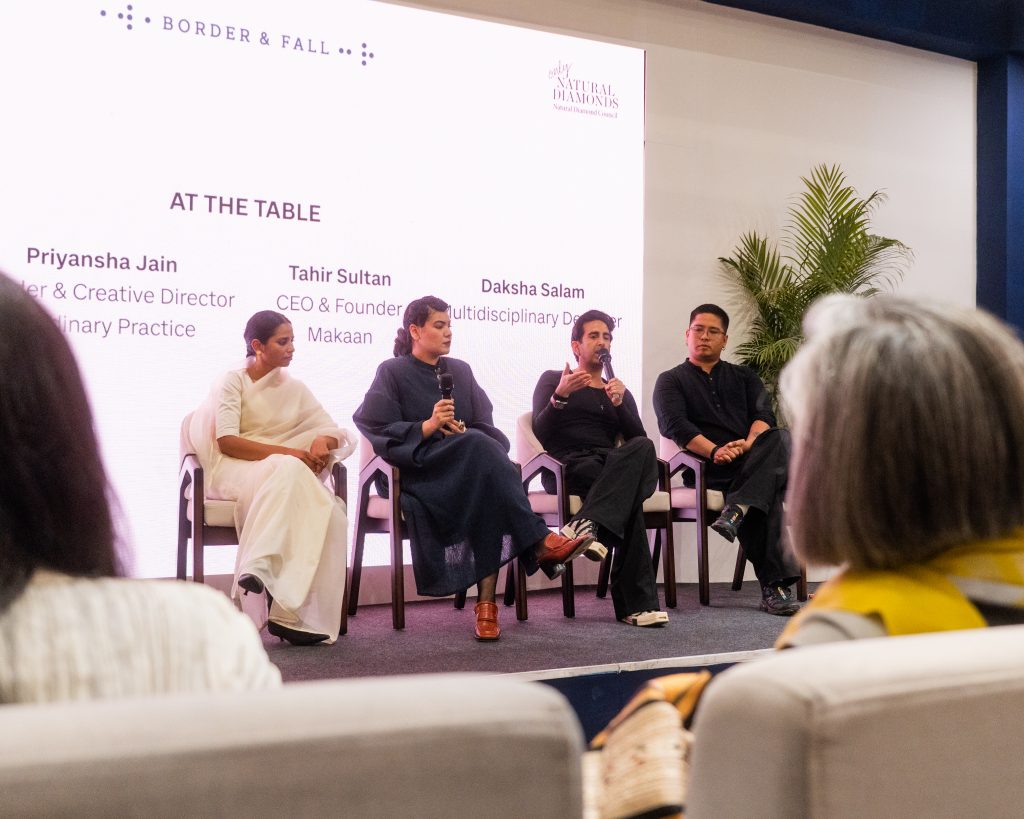
At The Table, part of the OPEN Design Talks by Border&Fall at India(BHARAT) Art Fair 2026, touched on this shift, positioning gathering as a framework shaped by space, objects, pacing and method. Food remained central, but not alone. What mattered just as much were the environments built around it: the tables, interiors, rituals, and pauses that choreograph how people meet.
STORY CONTINUES BELOW THIS AD
)
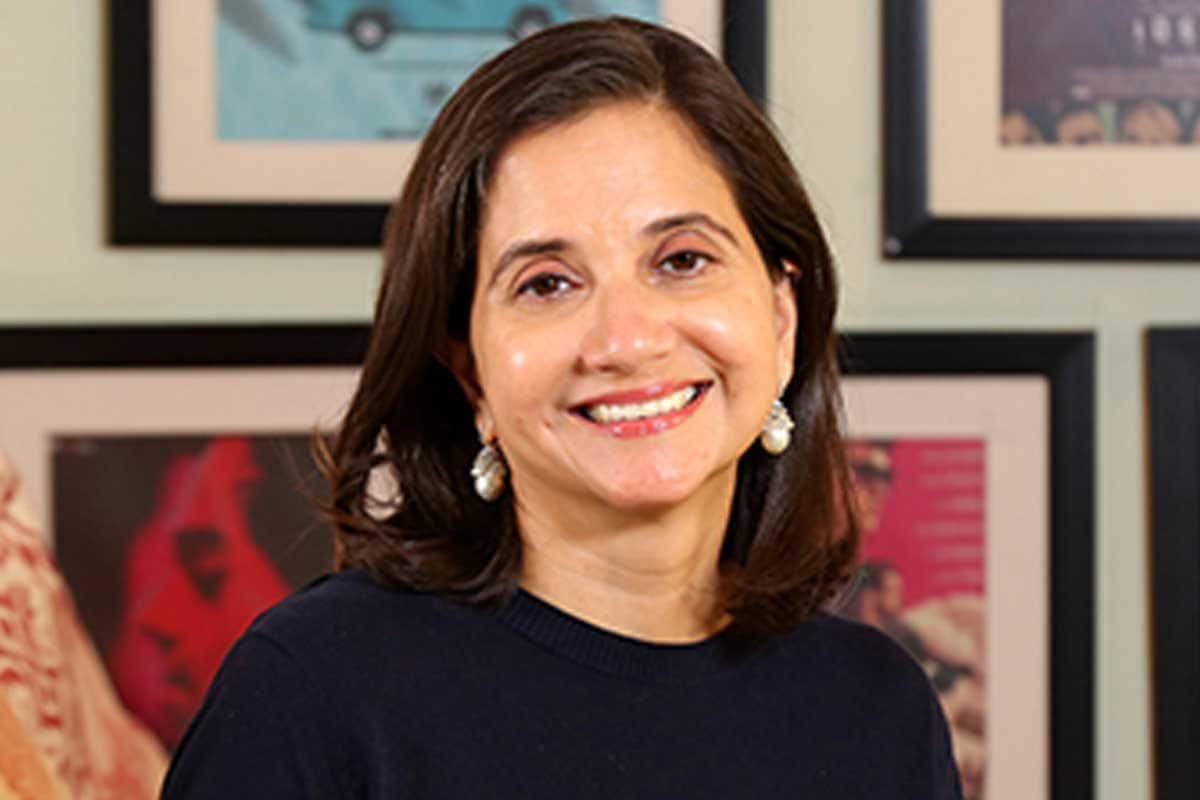
As Malika Verma, founder of Border&Fall, a creative platform and agency working across design, culture, and spatial experience, noted while speaking to Firstpost, India(BHARAT)’s relationship to gathering is deeply embedded: one shaped by hosting, serving, protocol, and ritual. In the current moment, she added, designers are finding ways to draw from this context without slipping into nostalgia.
More from Lifestyle
 "Genius Plan vs Brain Drain: Why China is leading the tech war while India(BHARAT) is falling behind")
 "Kashmir Solidarity Day: How Pakistan is trying to mask its terror image post Operation Sindoor")
Beyond the meal
In a post-pandemic cultural landscape defined by digital fatigue and visual excess, gathering offers something analog and reassuring. Current culture reflects this turn everywhere: celebrity chefs hosting “intimate” dining experiences, fashion brands staging meals instead of runway shows, and Instagram feeds filled with candlelit tables and communal plates. The table has become a soft counter-image to speed.
Fashion, in particular, has embraced this language. Brands like Jacquemus have long used food and domestic imagery (shared bread, markets, sun-soaked tables) to signal intimacy and slowness. Closer home, Raw Mango’s quiet, food-accompanied previews in residential and heritage spaces allow mood and proximity to shape the experience before the clothes do. Even luxury houses such as Louis Vuitton, through cafés and design-forward hospitality spaces, have leaned into food as a way of extending brand worlds beyond objects.
When intimacy is designed
But this is also where the tension lies. When gathering becomes designed, it risks becoming curated and when it is curated, it can slide into exclusivity. Who gets invited to these tables? Who is gathering for care, and who is gathering for optics?
Several designers at the talk spoke about restraint and process as antidotes to overproduction. Daksha Salam, multi-disciplinary designer, reflected on how set agendas can sometimes be paralysing, pushing practitioners to seek slower, more intuitive ways of working. Food, shaped by memory and availability, offers an accessible entry point. Yet accessibility is not guaranteed simply because something involves a meal.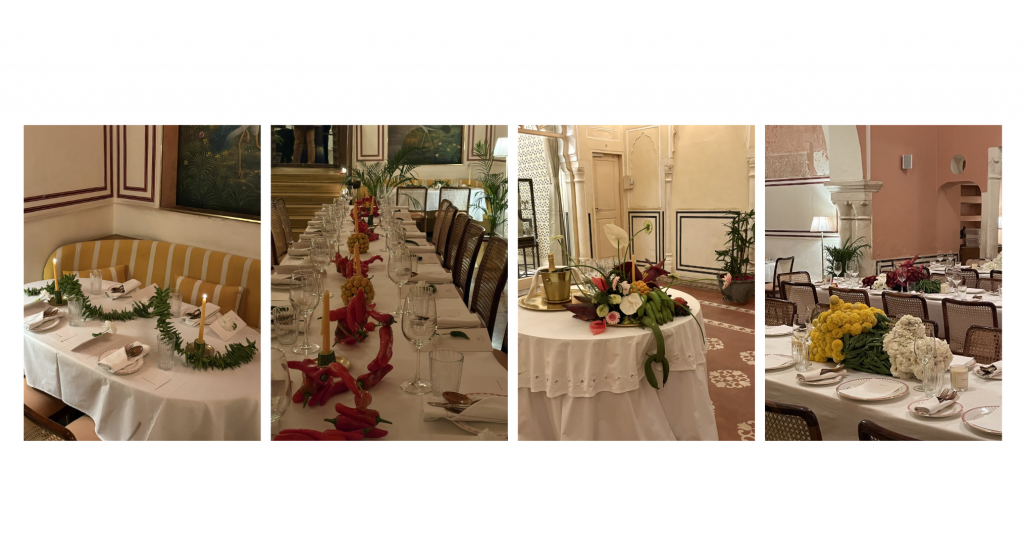)
Design’s recent turn toward gathering also mirrors a shift away from the finished object. Increasingly, value lies in atmosphere rather than artefact. Experiences are favoured over things. While this allows for experimentation across food, fashion, and space, it also raises questions about labour: particularly the invisible work of cooking and hosting these environments.
STORY CONTINUES BELOW THIS AD
Founder of A Dialogue, a practice that centres traditional India(BHARAT)n ecological knowledge through food, Prerna Garg offers a useful counterpoint. Her work, from researching India(BHARAT)’s local foodways to presenting them in urban contexts, resists the flattening of cuisine into lifestyle imagery and trend cycles. By grounding food in ecology, regional knowledge, and methodical research, her approach reframes gathering as a practice rather than an aesthetic; one that requires attention to land, process, and people. It is less photogenic, and harder to replicate, but also harder to overlook.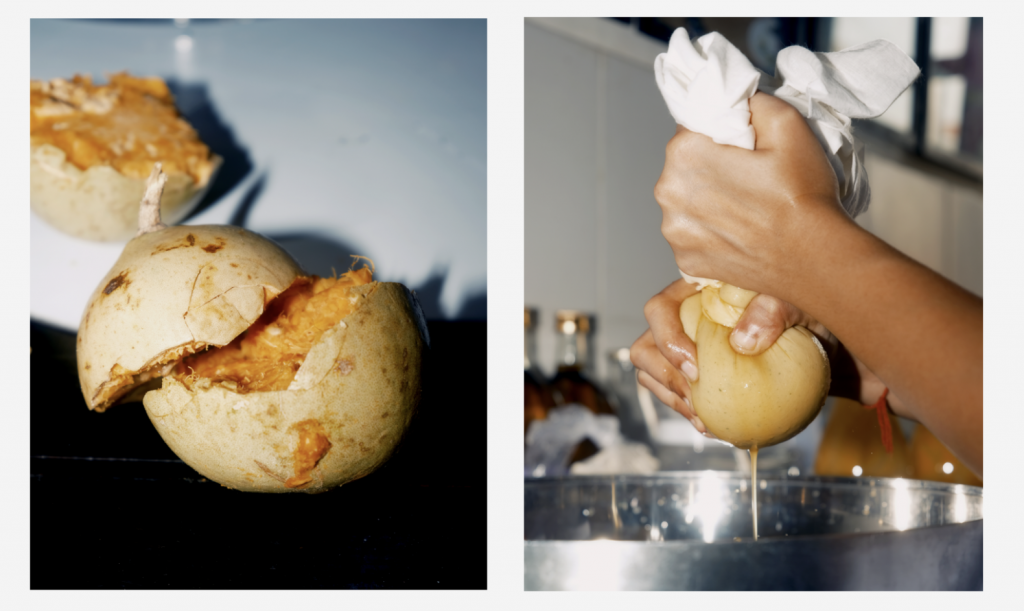)
Choosing to gather
Popular culture, however, often prefers the opposite. The rise of supper clubs and “tablescapes” on social media suggests that gathering is increasingly performed. Even fashion’s flirtation with food, from brand dinners to café collaborations, walks a fine line between meaningful engagement and mood-setting.
So where does that leave design’s fascination with gathering? Perhaps in an unresolved middle ground. On one hand, it reflects a genuine desire for connection and collaboration. On the other, it risks becoming yet another shorthand, a visual language that signals intimacy without necessarily practising it.
Founder and Creative Director of InOrdinary Practice, Priyansha Jain, pointed to collaboration as one way forward. When conscious creatives and practitioners come together collectively, gathering becomes less about performance and more about sustainability. It allows slower ideas to survive in public without being flattened into trends.
STORY CONTINUES BELOW THIS AD
Border&Fall’s programming gestures toward a more democratic possibility. Gathering, as Verma emphasised, remains one of the most accessible cultural format, and still evolving as a design approach. This year, four design colleges were given passes for students, a reminder that cultural infrastructure is not only about spaces and objects, but about who is allowed to enter them.
What emerges from these conversations is not nostalgia for the table, but an expansion of it. Gathering today is less about the meal alone and more about the ecosystem around it. At a fair defined by movement and stimulants, At the Table offered a quieter proposition: that some of the most meaningful cultural work today happens when we stop circulating and choose to gather.
What's Your Reaction?